Home›Blog›Hong Kong solo travel guide: safety, where to stay, what to do, and how to meet people (2026)
Hong Kong solo travel guide: safety, where to stay, what to do, and how to meet people (2026)
Walk into a cha chaan teng on Wellington Street at ten past one and nobody asks how many. The waiter finds a chair at a table where two office workers are halfway through their baked pork chop rice, and points. You sit. They carry on. That's 搭枱, daap toi, and the fact that Hong Kong has a two-syllable word and a hand gesture for it tells you how the city feels about a person eating alone. It doesn't feel anything. It's lunchtime.
What the city does feel strongly about is hills. Three-quarters of Hong Kong is hills and shoreline, about forty percent of it protected country park, and on a Sunday morning a startling share of the population is on a ridge somewhere with a bag of char siu buns and a group chat. Hiking is what friends do here instead of brunch, and it's the easiest way in for someone who arrived alone, which is why the meeting-people section below is mostly about trails.
And the parts that matter are cheap. The Star Ferry is HK$5 on a weekday, less than the milk tea on the other side. The tram is HK$3.30. The hikes are free. The bed won't be cheap, and I'll be straight about that. All figures are Hong Kong dollars, checked in September 2026; the ferry had a fare rise in the pipeline and the Peak Tram had just had one, so don't hold me to the last dollar.
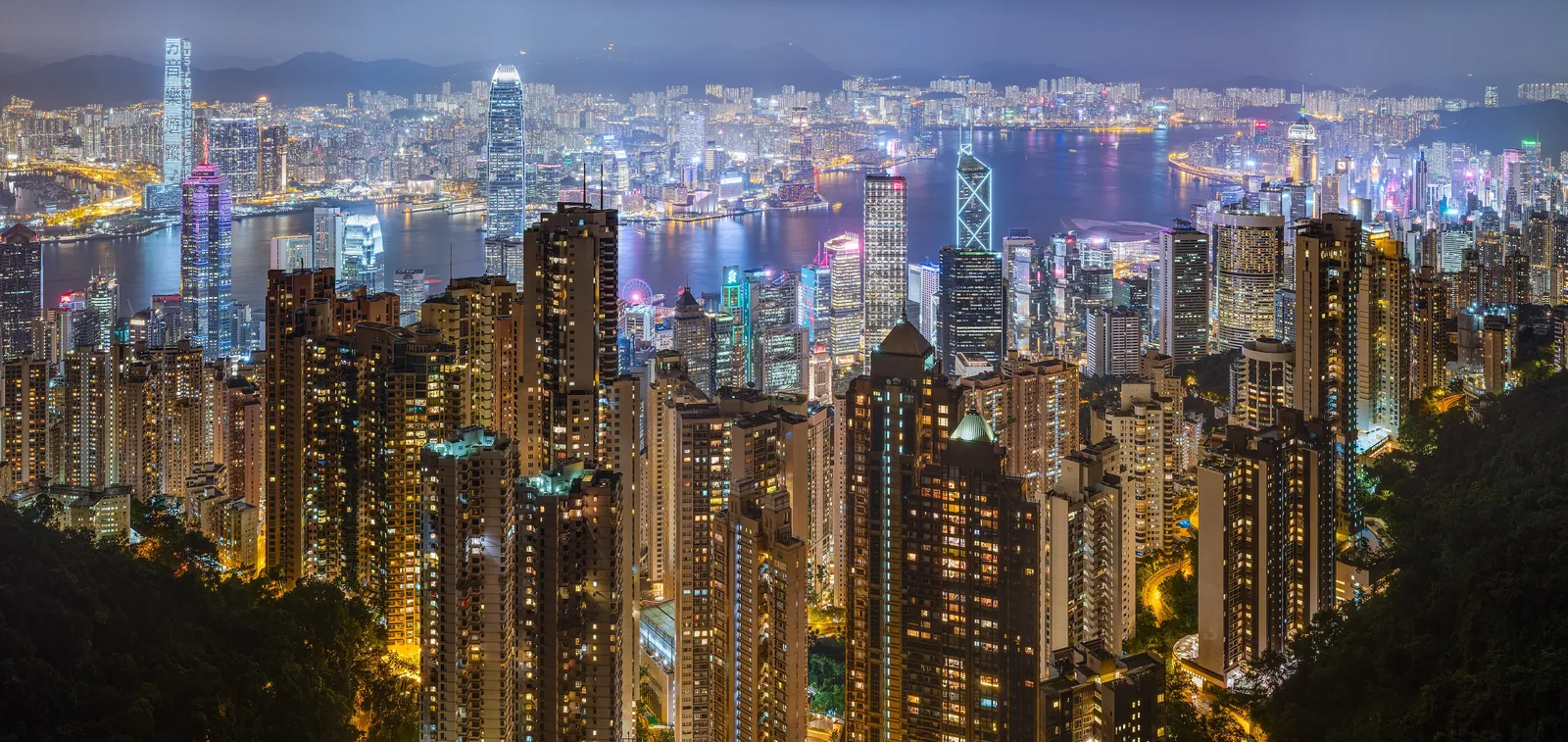
Hong Kong solo travel at a glance
| Is it safe alone? | Very. Low crime, busy streets at 2am, a few Nathan Road rip-offs to know. |
| How many days | 3 full days for the city; 4–5 with Lantau and an island or a long hike |
| Best months | October to December (dry, 20–28°C). March–April is fine. July–August is a sauna with typhoons. |
| Daily budget | Around HK$600 on a dorm-and-diner budget; HK$1,800 mid-range; HK$4,000+ comfortable |
| Getting around | An Octopus card for everything: MTR, trams, ferries, double-deckers. Uber works. |
| Where to sleep | Sheung Wan or Sai Ying Pun for cafés and company; Jordan or Tsim Sha Tsui for cheap and central |
| Language | Cantonese. English on every sign and in every hotel; Mandarin widely understood. |
| Payment | Octopus, contactless cards, AlipayHK/WeChat Pay. Cash for dai pai dong, wet markets, red minibuses. |
| The one app to install | Octopus in your phone wallet. MeetMap second, so Sunday's hike has names on it by Saturday night. |
Is Hong Kong safe for solo travellers?
Yes, and safer than most cities you've been to. Violent crime against visitors is close to nonexistent; I've walked through Mong Kok at 2am with a phone in my hand and the only hazard was the egg waffle. The things that do go wrong are a handful of rip-offs, nearly all of them within five hundred metres of Nathan Road, and you can learn the whole set before the Airport Express reaches Kowloon.
The Nathan Road camera shop. A small electronics shop in Tsim Sha Tsui advertises a camera at a price that's too good; once you've paid, the model is "out of stock", the replacement is worse and the deposit is gone. Fortress, Broadway or the Apple Store, nowhere else.
Touts outside Chungking Mansions. The men with laminated cards sell suits, copy watches and hostels; keep walking. The building is safe by day (the curry upstairs is the best in Kowloon), but the ground-floor money changers range from excellent to crooked, so compare the board next door and count your notes.
Dried seafood by the tael. A few shops quote bird's nest or ginseng per tael (about 38 grams), slice before you've agreed, and bill you for a kilo. If you don't know what a tael is, you don't need what's in the jar.
Taxis after midnight. Mostly honest, but a minority near Tsim Sha Tsui and Lan Kwai Fong quote a flat "HK$300 to Central" or say the meter's broken. The meter is the law; take the next cab or open Uber, and break HK$500 notes at a 7-Eleven first, because "no change" is real.
Roses, bracelets and hostesses. Someone pins a rose on you in Lan Kwai Fong, or a "monk" by an MTR exit slips a bracelet on your wrist, then wants HK$100; hand it back. In the Lockhart Road girlie bars in Wan Chai, the hostess who asks you to buy her a drink is on commission and the drink is HK$200. Any bar with a doorman calling you in is one of these.
What actually hurts people here is the weather. Hikers are carried off the hills every summer: June to September, start by 7am, carry two litres, choose shade over a bare ridge. When Typhoon Signal 8 or the Black Rainstorm warning goes up, the city shuts and people get swept off sea walls taking photos; both come with hours of notice on the Observatory app. Don't feed the wild boar or the Kam Shan macaques. Traffic drives on the left; look right first.
After that it's housekeeping: watch your drink in Lan Kwai Fong, keep the phone out of your back pocket in Ladies' Market, meet anyone from an app somewhere with witnesses. Our safety page has the longer version, the one that applies to any city.
Is Hong Kong safe for solo female travellers?
Yes, top tier alongside Tokyo and Singapore. The MTR is busy until it closes around 1am, the streets are never empty, taxis are metered, and the Lockhart Road doormen are calling to men. Catcalling is rare enough to be a story. Dress is completely relaxed (shorts everywhere; this isn't a temple city). If you hike alone, tell the hostel which trail; signal on the back of Lantau is patchy.
When to go
Hong Kong has a proper year, not just "hot" and "hotter", and it matters more than in Bangkok or Singapore.
- October to December is the season: 20–28°C, dry, blue skies, everyone on the trails at weekends. Book ahead for Golden Week (1–7 October) and Christmas.
- January and February: 14–20°C, sometimes grey, properly cold in a city with no heating, perfect for hiking. Chinese New Year (late January or February) closes family restaurants for three days but brings the flower markets and harbour fireworks.
- March to May is the humid spring: 18–29°C, fog on the Peak, condensation on the tiles. Hotels spike for Art Basel at the end of March and the Rugby Sevens (9–11 April in 2027). The Cheung Chau Bun Festival in May is the strangest local festival you can reach by ferry.
- June to September is the wet heat: 27–33°C, 80%+ humidity, afternoon downpours, typhoons peaking July to September. Hostels are cheaper and the beaches are the point; it isn't hiking weather. Mid-Autumn (September or early October) brings the Tai Hang fire dragon, three nights (24–26 September in 2026) of a sixty-seven-metre incense-covered dragon through the lanes behind Causeway Bay, free.
If I could pick, November.
How long to stay
Give it three full days: one for the island, one for a ridge and Kowloon, one for the water. That covers the harbour, the Peak, a hike, a market, a museum and more meals than seems possible. A fourth day buys Lantau, or a ferry to Lamma or Cheung Chau; a fifth, both, plus a Sai Kung trail. Macau is an hour by ferry and Shenzhen fourteen minutes by high-speed train from West Kowloon, if you have the visas. I wouldn't go below three: the airport is far enough out that a two-night trip is mostly transport.
Where to stay in Hong Kong on your own
Rooms are small everywhere, so don't shop by room; shop by side of the harbour. Island or Kowloon changes where you are at 7am and 11pm far more than the hotel does.
Tsim Sha Tsui. The visitor centre of gravity: the promenade, the Star Ferry, the museums, most of the hostels, and the touts. The guesthouses in Chungking and Mirador Mansions are the cheapest beds in the territory (HK$200–350 for a windowless single), safe and grim; one night at most. The hostels on the streets behind Nathan Road are better.
Jordan and Yau Ma Tei. One and two stops north: same access, half the polish, cheaper hotels, Temple Street on the doorstep, the best cha chaan teng breakfasts. Where I'd send someone on a budget. Mong Kok, one more stop, is the same at twice the volume.
Causeway Bay. Shopping, the tram, Victoria Park, mid-range hotels, Happy Valley a walk away. Central-ish, a bit charmless.
Wan Chai. The Star Ferry pier, the bars, and an old market quarter behind them. Business hotels are good value at weekends.
Sheung Wan and Sai Ying Pun. West of Central on the tram line: coffee, wine bars, dried-seafood streets, temples, and a high density of people who moved here last year. Walkable to Central, and the neighbourhood where a stranger most often ends up at your table. This is where I'd stay.
Bands per night, including the 3% hotel tax that returned in 2025: dorm HK$200–400, private room in a hostel or guesthouse HK$500–900, decent three-star HK$900–1,500, harbour view from about HK$2,000. Roughly double for Golden Week, the Sevens and Christmas. Book two nights and leave the rest open; by your second harbour crossing you'll know which side you want to wake up on.
Getting around
From the airport (HKG). The Airport Express is HK$105 to Kowloon (21 minutes) and HK$120 to Hong Kong station in Central (24 minutes) with Octopus or a contactless card, HK$130 on paper, every 10 minutes or so until about 1am; neither station is in Tsim Sha Tsui. The A21 bus runs down Nathan Road through Mong Kok, Jordan and Tsim Sha Tsui for around HK$35 in 60–75 minutes; the A11 does Central, Wan Chai and Causeway Bay for around HK$42; N21 and N11 run after midnight. If your bed is on Nathan Road, the bus beats the train. A taxi is HK$270–300 to Tsim Sha Tsui, HK$330–380 to Central, 35–45 minutes, from the marked queue only.
Octopus pays for everything: trains, trams, buses, ferries, 7-Eleven, cha chaan tengs. HK$200 at any MTR counter (HK$50 refundable deposit, HK$150 loaded), or add a virtual one to Apple or Google Wallet before you land. A contactless Visa or Mastercard also works at MTR gates, buses and trams.
MTR: fast, clean, English-signed, about 6am to 1am, HK$5–12 for most central trips, around HK$30 out to Tung Chung.
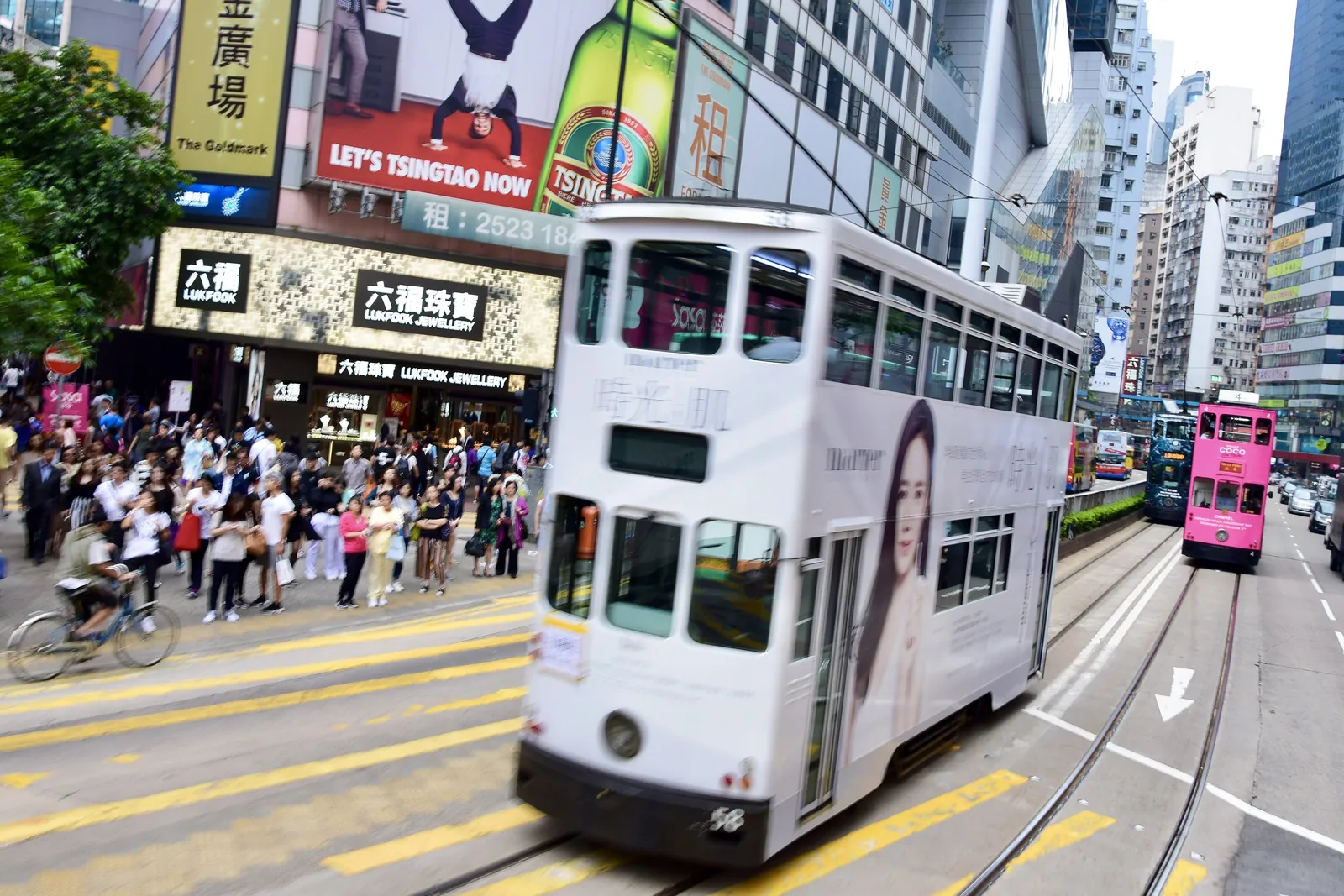
Trams: Kennedy Town to Shau Kei Wan, 5am to midnight, flat HK$3.30 paid on exit. Upper deck, front seat. The whole line is ninety minutes, and the squeeze through the Chun Yeung Street wet market in North Point is the best minute of public transport in Asia.
Star Ferry: Central Pier 7 or Wan Chai to Tsim Sha Tsui, nine minutes, 6:30am–11:30pm. HK$5 upstairs and HK$4 down on weekdays, HK$6.50/5.60 at weekends; a 30% rise was applied for in March 2026 and was still being argued over in September, so expect HK$6.50 weekdays and HK$8.50 weekends before long.
Buses are double-deckers, HK$5–15, top-deck front seats; Citymapper for routes. Minibuses seat sixteen: green ones have fixed stops and take Octopus, red ones take cash and stop when you shout "有落" (yau lok).
Taxis: red in the city, HK$29 flag fall then HK$2.10 per 200 metres, HK$6 a bag; cash is safest, though many now take Octopus or a card. Cross-harbour trips add the tunnel toll both ways; use the cross-harbour stands, where drivers can't refuse.
Uber works: UberX is usually 10–30% cheaper than a cab, Uber Taxi gets you a metered one. The ride-hailing law passed in October 2025, but licensed platforms aren't due to start until around the end of 2026, so for now it runs as it always has; once the permits bite, expect fewer cars, not none.
Walking is real transport: Central to Sheung Wan or Wan Chai to Causeway Bay is twenty minutes. The Mid-Levels escalator runs downhill until 10am, uphill after, free.
Avoid: hiring a car, the Peak Tram between 4 and 7pm at weekends (ninety-minute queues), and the "harbour cruise" touts who charge triple for the Star Ferry's view.
Things to do alone in Hong Kong
Twelve things, sequenced for a first visit. If the forecast is clear, move the two hills to the front; everything else keeps in the rain.
1. The Star Ferry at dusk, then the light show at 8
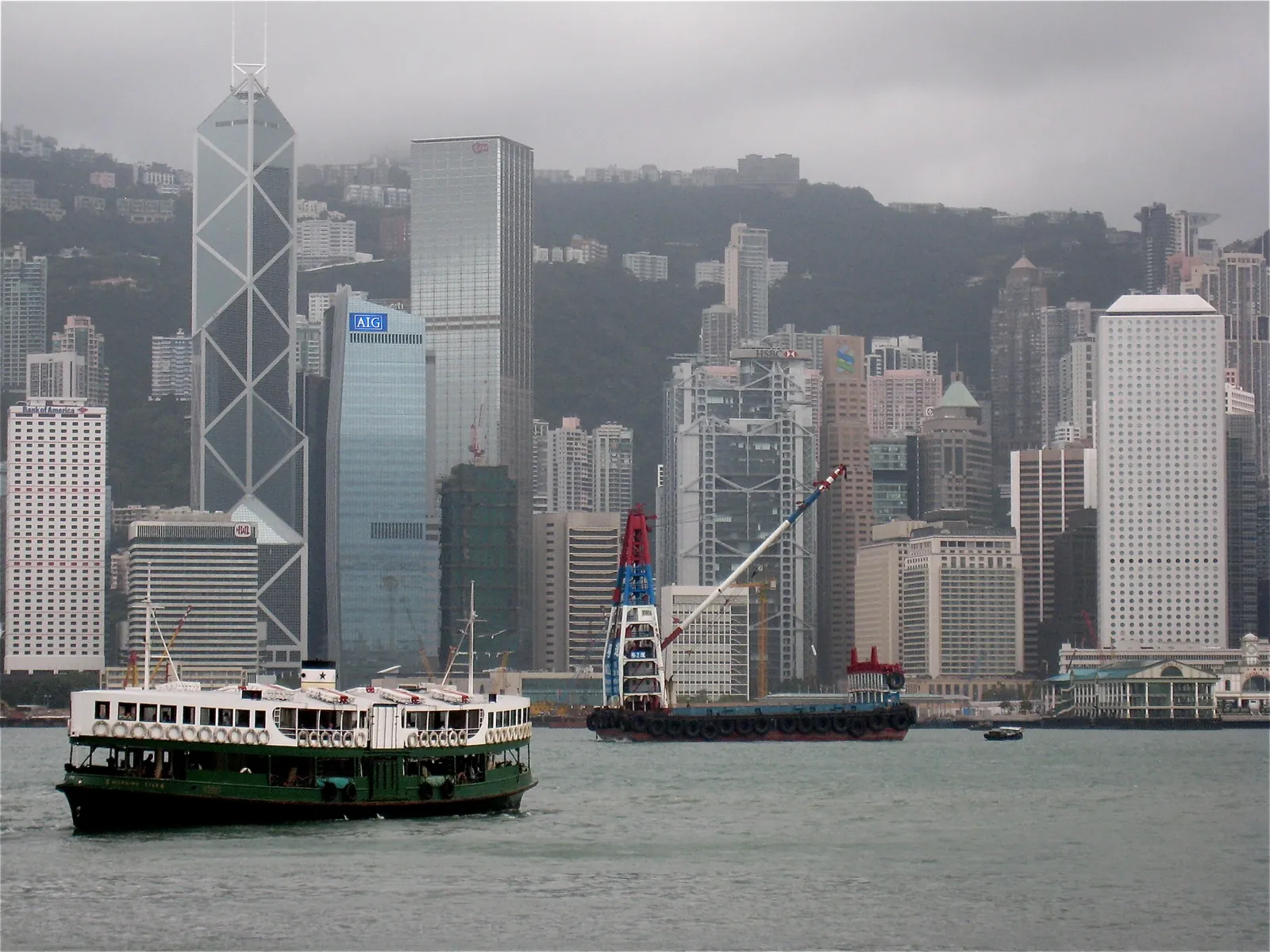
Board at Central Pier 7 about 6:15 in winter, 7 in summer, upstairs on the harbour side, and cross as the towers light up. Walk the promenade to the Avenue of Stars; A Symphony of Lights starts at 8pm sharp, lasts ten minutes, is free and slightly ridiculous, and you should watch it once from the railing. The evening costs HK$5 plus dinner.
2. The Peak, up by bus, down on foot
Bus 15 from Exchange Square climbs to the top in 35 minutes for HK$13, top deck. Skip the mall; walk the Lugard Road–Harlech Road loop (3.5 km, flat, free, the whole harbour below), then down the Old Peak Road to the Botanical Gardens in 40 steep minutes. The Peak Tram, if you must, went up to HK$116 return (HK$82 single) at the end of December 2025; before 10am there's no queue.
3. Dragon's Back to Big Wave Bay
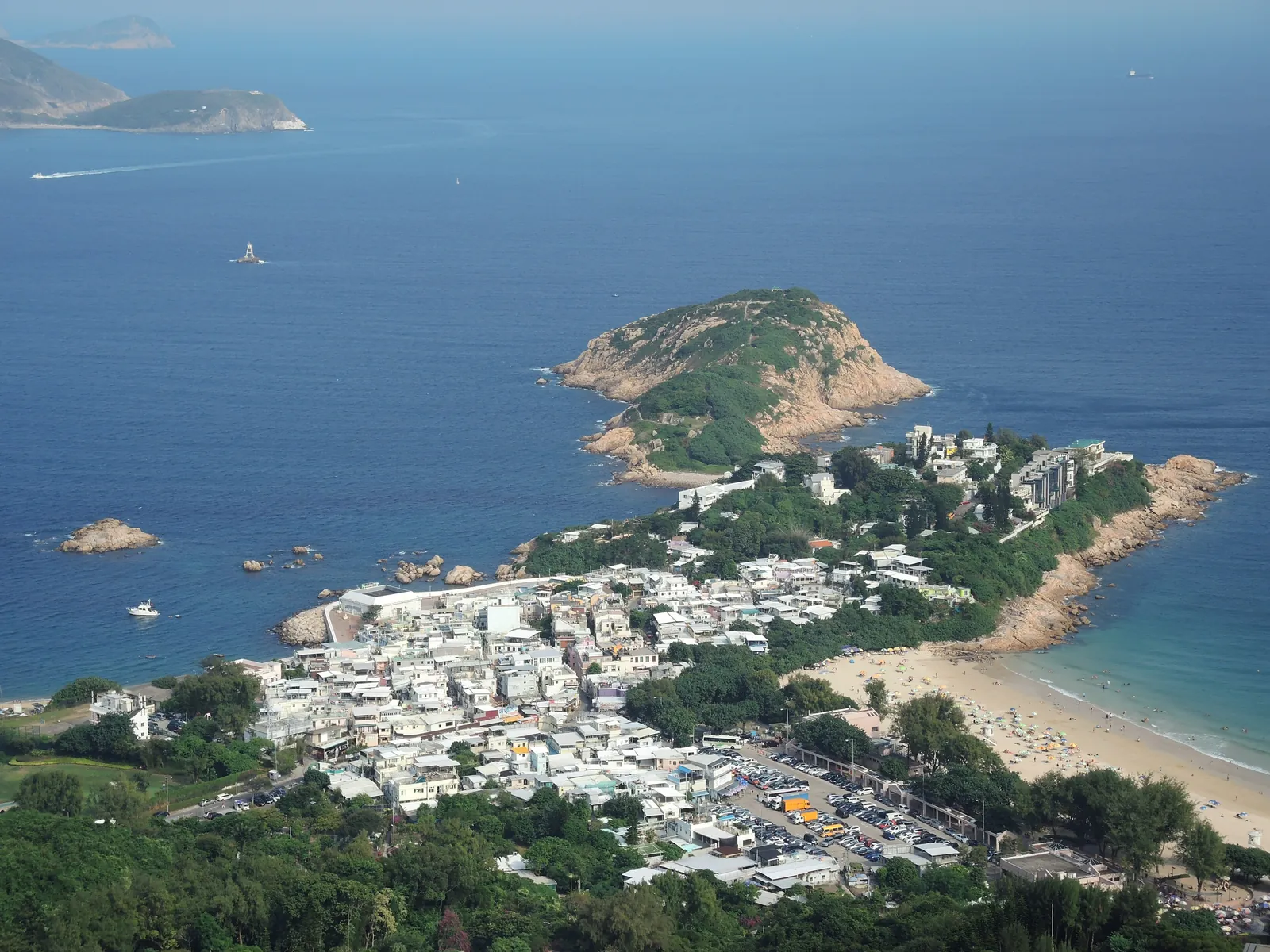
MTR Shau Kei Wan, exit A3, bus 9 (under HK$10) to the To Tei Wan stop on Shek O Road; the whole bus is going there. An hour on the ridge with sea on both sides, a shaded descent to Big Wave Bay, a noodle stall and a swim, the same bus back. About 8.5 km, three to four hours. Sunday mornings it's a procession, which if you're alone is the point. October to March; in July the ridge has no shade.
4. Sham Shui Po, eaten on foot
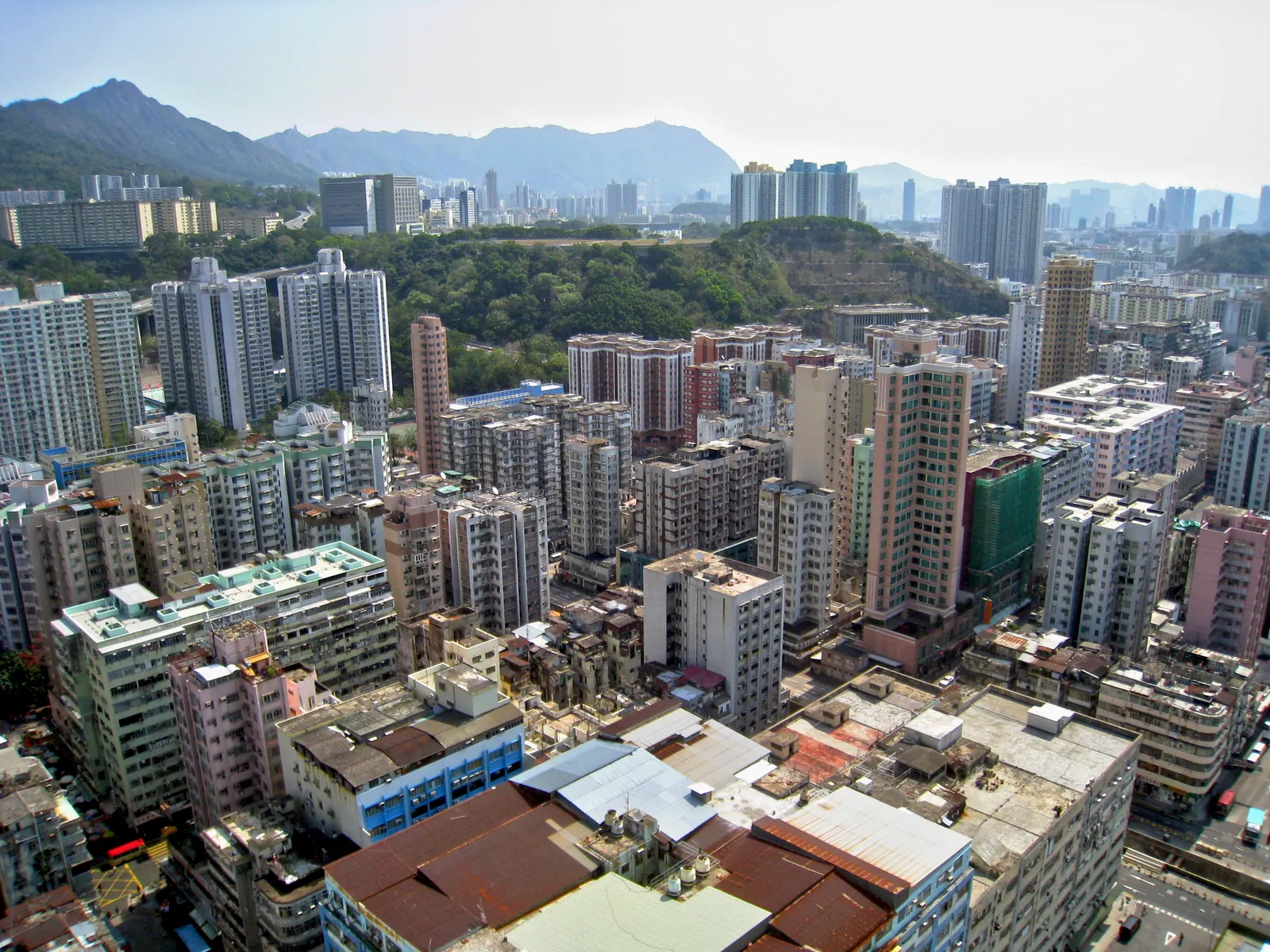
MTR Sham Shui Po, exit B2. Rice-noodle rolls at Hop Yik Tai (HK$10-ish, standing), tofu pudding at Kung Wo, white sugar sponge cake at Kwan Kee, bamboo-pole noodles at Lau Sum Kee, the beef-and-egg sandwich at Sun Hang Yuen; nothing over HK$40, all within four streets. Apliu Street is the electronics flea market, Ki Lung Street is fabric and beads. After 7pm the dai pai dong on the side streets seat you at a folding table with whoever's there.
5. Temple Street after dark
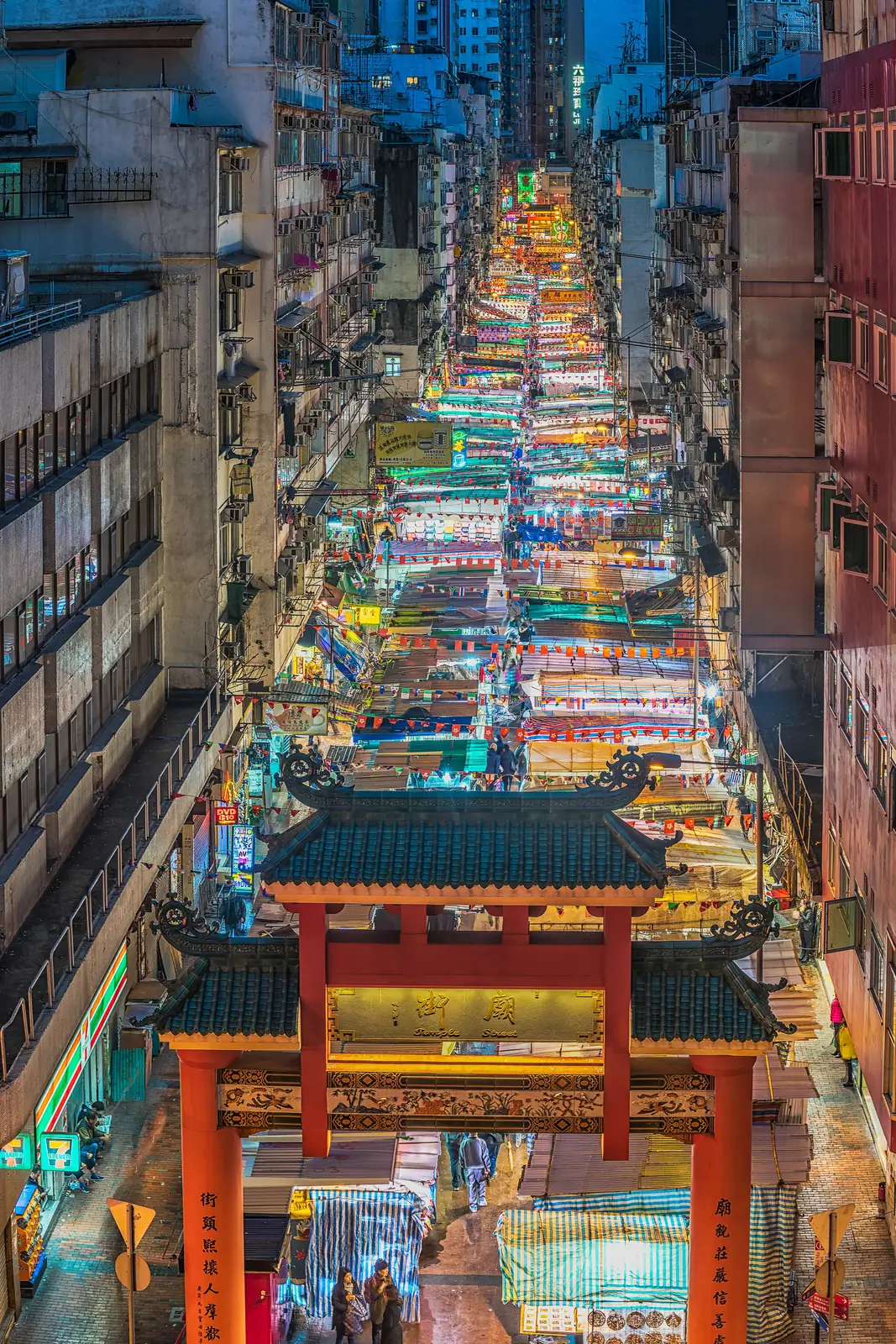
MTR Yau Ma Tei or Jordan; the market runs 6pm to 11pm, with fortune-tellers near the Tin Hau temple halfway down. Ignore the stalls; the point is the open-air restaurants on the side streets: claypot rice in winter, clams in black bean sauce, a Blue Girl, plastic stools. The wholesale fruit market on Reclamation Street, trading since 1913, is liveliest at 4am.
6. Tai Kwun and the Hollywood Road walk
The old Central Police Station is now Tai Kwun: free, 8am–11pm, cells, parade ground, a contemporary gallery, a bar. Walk west past the antique shops to Man Mo Temple (free, 8am–6pm, incense coils overhead), up to PMQ's design shops, and back down through Soho. Three hours of the island's best aimless walking.
7. M+ and the Palace Museum, West Kowloon
Ten minutes apart on foot, both facing the harbour. M+ (HK$190, closed Mondays, open until 10pm on Fridays; ground floor and roof garden free) is visual culture. The Hong Kong Palace Museum shows Forbidden City loans (HK$70 main galleries, HK$150 with the special exhibition, closed Tuesdays). MTR Kowloon or Austin. The Art Park in front is where the city sits on grass at sunset.
8. Lantau: the Buddha and Tai O by bus
The Ngong Ping 360 cable car from Tung Chung is HK$295 return (up from HK$270 in 2025) with hour-long queues; bus 23 from Tung Chung station does the climb in about 50 minutes for around HK$20 on weekdays, more on Sundays and public holidays. The Big Buddha and Po Lin Monastery are free, the vegetarian lunch a bit over HK$100. Bus 21 on to Tai O's stilt houses, bus 11 back. A full weekday.
9. A ferry to Lamma or Cheung Chau
Central Pier 4 to Yung Shue Wan on Lamma, 25–30 minutes, around HK$25 on weekdays and HK$35 on Sundays; walk the Family Trail ninety minutes to Sok Kwu Wan, eat seafood on the water, ferry back from there. Cheung Chau from Pier 5 is 35–60 minutes (around HK$17 on the slow boat, HK$33 on the fast one, more on Sundays): car-free, a beach, bike hire, the best fish balls in the territory. Sunday ferries home are packed from 5pm.
10. Wednesday night at Happy Valley
September to July, most Wednesdays: HK$10 into the public enclosure (free for visitors over 18 who show a passport), HK$60 pints in the beer garden, first race at 6:40 or 7:10pm depending on the card, tower blocks on every side. Tram to Happy Valley or walk from Causeway Bay. The most social ten dollars in the city: everyone's at the rail, nobody knows what they're doing, and the minimum bet is HK$10.
11. A dim sum class
Three hours in a kitchen in Sheung Wan or Sai Ying Pun folding har gau with six other people and eating the results, around HK$500–900, bookable a day ahead on Klook or Viator. Do it early in the trip: whoever folded dumplings badly next to you on Monday is who'll be asking about Lamma by Thursday.
12. Lion Rock at golden hour
From Wong Tai Sin MTR (the temple's free and on the way) or Lok Fu, signposted up through Lion Rock Park: three hours return, steep, a scramble near the top, 495 metres, all of Kowloon and the harbour below. Weekday mornings it's retirees who do it daily; Sunday afternoons there's a queue for the photo. Two litres of water in any month.
Eating alone in Hong Kong
This is the city where solo eating is a system rather than an exception, and I'd call it the easiest place in Asia to eat well by yourself.
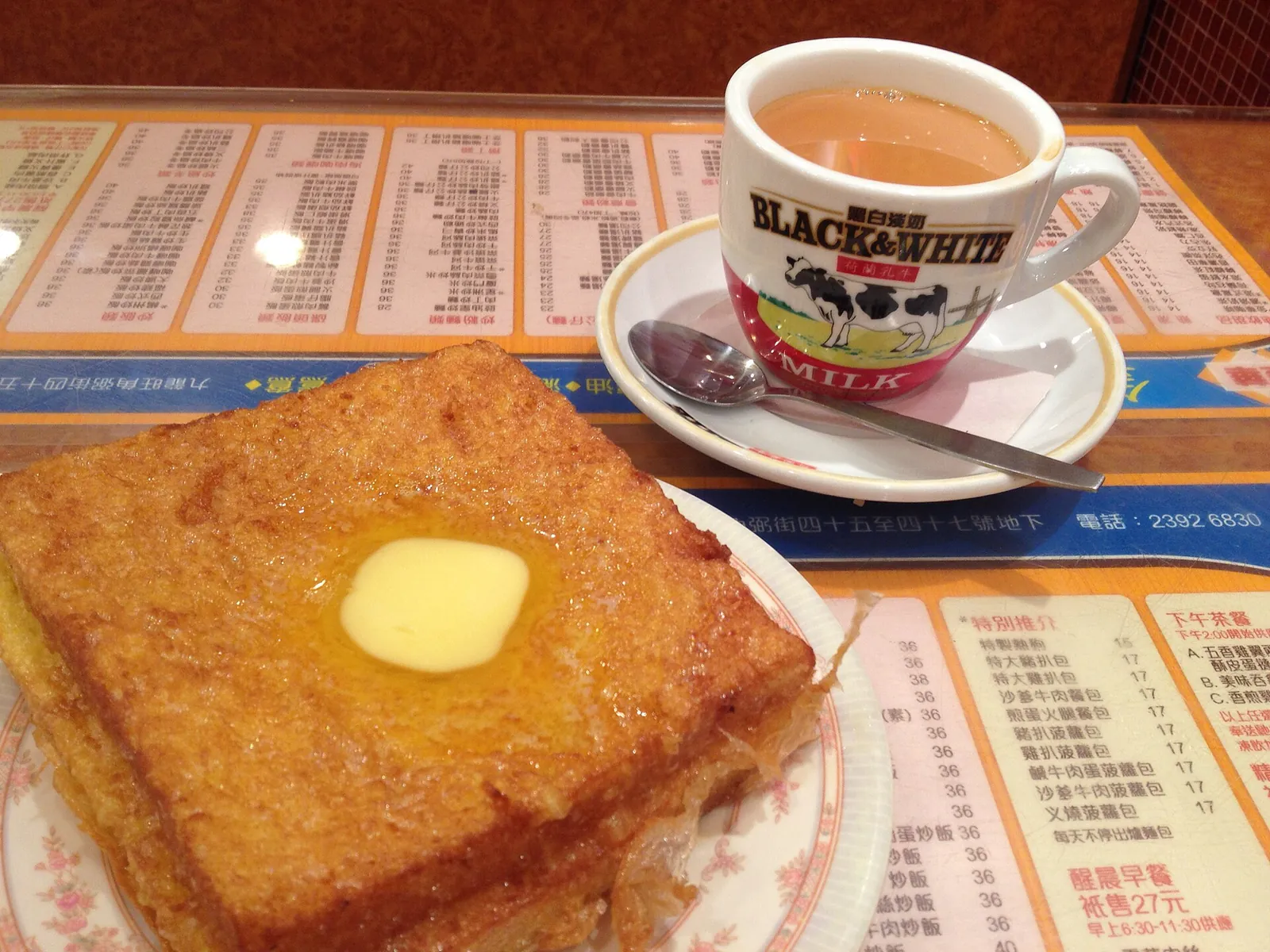
The cha chaan teng is built for one: milk tea, a pineapple bun with a slab of butter, macaroni soup with ham, baked pork chop rice, HK$40–80, twenty minutes, and at lunch you're seated wherever there's a chair. Australia Dairy Company in Jordan, Lan Fong Yuen in Central and Kam Wah in Prince Edward are the famous ones; the one on your corner is probably as good. Wonton noodle shops, congee shops and roast-meat rice (char siu over rice, HK$50–70) work the same way: sit, point, pay at the counter.
Dim sum is fine alone, whatever anyone says: baskets are three or four pieces, tea is per head, and the old trolley places in Sheung Wan and Wan Chai open at 6 or 7am full of single old men with the racing pages. Four baskets, HK$100–150, out by 10.
What needs a table is the other half of Cantonese food: a whole steamed fish, typhoon-shelter crab, roast goose by the half, the Lamma seafood restaurants, and above all hotpot (打邊爐, da bin lou), the winter group meal nobody has ever ordered for one. The dai pai dong in Sham Shui Po and Temple Street are the bridge: folding tables, sharing dishes, and a neighbour who ordered something you want to ask about.
So eat the noodles, the congee and the cha chaan teng lunch on your own at any hour, without a second thought. The steamed fish and the hotpot can wait for a table of four, and where the other three come from is mostly a question of which bus you get on Sunday morning.
How to meet people in Hong Kong
Hong Kong is unusual here, and not because of the hostels. Locals on sixty-hour weeks run their social lives on short, specific plans with a time and a trail attached, and those plans are open to outsiders in a way a dinner invitation in most cities isn't. You use that.
Sleep on the west side of the island. The hostels in Sheung Wan, Sai Ying Pun and Kennedy Town sit where the wine bars are narrow, the tables are close, and the person beside you arrived from Manchester or Seoul eight months ago. Tsim Sha Tsui hostels have more travellers and more turnover: good for tonight, less good for next week. A private room in one of those hostels beats a hotel room at the same price: the same lock on the door, plus a kitchen where somebody is always looking at a trail map.
Go to the hills on Sunday. The one thing specific to Hong Kong. Hong Kong Hiking Meetup, on the Meetup app, has around 27,000 members and runs around 1,800 events a year, most of them free: several every weekend, graded by difficulty, thirty to a hundred people each, half of them there for the reason you are. The bus 9 stop at Shau Kei Wan on a Sunday morning is a crowd asking each other if this is the right bus. Say yes and walk with them.
Run Bowen Road. The flat, car-free path along the hillside above Wan Chai is the city's running track; at 7am and 6:30pm it's the same faces daily, and the run clubs meet at either end.
Get on a junk. May to September, the summer social life is rented junk boats: thirty people, a bay off Sai Kung or Lamma, beer, a slide off the top deck. Around HK$550–900 a head all-inclusive, and companies will fill single seats on shared charters if you ask. If anyone you meet in your first two days mentions a junk on Saturday, that's your Saturday.
Book the class. Dim sum in Sheung Wan, bouldering in Kwun Tong or Wong Chuk Hang, a dragon boat session (the clubs in Stanley and Sai Kung take beginners at weekends and always need paddlers). The har gau and the paddling are beside the point. Hong Kong's social life runs on shared activity, and a class is the one kind you can join with nobody's number in your phone.
Go where people stand in the road. Lan Kwai Fong and Soho on Wednesday and Friday nights are loud, expensive and the easiest places in the city to talk to a stranger, because everyone is outside with a drink and nobody has a table. Sai Ying Pun's bars on High Street are the quieter version. Happy Valley on Wednesday puts everyone at the same rail.
Learn the local rhythm. Hong Kongers schedule friendship the way they schedule everything else, in short blocks with a place attached: "yum cha Sunday 11", "Dragon's Back 9, bus stop", "hotpot Friday, Causeway Bay, 8". Vagueness is how people are polite here; a time and an MTR exit is how they mean it, and you're expected ten minutes early. WhatsApp carries everything. English is enough in any group you're likely to fall into.
A pier number beats a plan. Invitations here arrive with coordinates attached: "Lamma tomorrow, 9:30, Pier 4." When one lands in the hostel kitchen, drop the museum. The museum is open on Friday; the boat leaves at 9:30. The longer version of that argument is in how to meet people in a new city when you know nobody.
Type the line yourself. "Dragon's Back Sunday 9, Shau Kei Wan bus stop" is already the most-typed sentence in every group chat in the territory, so typing it into the hostel WhatsApp group doesn't read as forward; it reads as local. Two replies is a hike. By the second ridge nobody remembers whose idea it was.
And the app we built for exactly this. MeetMap is a map of small plans happening soon near you: a coffee at eight, a Dragon's Back hike on Sunday, a dai pai dong table in Sham Shui Po with three seats left. Each pin shows the time, the place and how many seats remain; take a seat and you're in the group chat. It's free to look and it's not a dating app. If the map is quiet when you open it here, post the first plan: "Dragon's Back, Sunday 9am, Shau Kei Wan bus stop, four seats", and see who turns up. There's a shorter piece on this city too: how to meet people in Hong Kong when you're travelling alone.
What Hong Kong costs per day
One person, one day, Hong Kong dollars, rounded.
| Budget | Mid-range | Comfortable | |
|---|---|---|---|
| Bed | 300 (dorm) | 1,100 (hotel, with tax) | 2,500+ |
| Food | 200 (cha chaan teng, noodles, dai pai dong) | 400 (one proper dinner) | 900+ |
| Transport | 50 (Octopus: MTR, tram, ferry) | 120 (MTR plus a taxi) | 300 (taxis) |
| One activity | 50 (a hike, the ferry, Tai Kwun) | 200 (a museum or the Peak Tram) | 700 (a class or a junk) |
| Day | ~600 | ~1,800 | 4,400+ |
Read the table top to bottom and the pattern is plain: the bed is two-thirds of any budget, and the rest of the city is nearly free. Carry some notes for the dai pai dong, the wet markets and the red minibuses; ATMs are on every corner, and a HK$500 note breaks more easily at a 7-Eleven than at a noodle counter.
A three-day Hong Kong plan for one
Day 1: the island. Cha chaan teng breakfast in Sheung Wan, dim sum class at 10 if you booked one (otherwise Man Mo Temple and Tai Kwun). Bus 15 up the Peak, Lugard Road loop, walk down. Star Ferry across at dusk, the light show at 8, noodles on the Kowloon side, ferry back.
Day 2: the hills and Kowloon. Dragon's Back early (bus 9 from Shau Kei Wan by 8:30), a swim at Big Wave Bay, back in town by 2. Sham Shui Po for a late lunch on foot, then Temple Street from 7 and claypot rice on a plastic stool.
Day 3: the water. Pier 4 to Lamma at 9:30, Family Trail to Sok Kwu Wan, seafood lunch, ferry back. M+ in the afternoon (a Friday, if you can) and the Art Park at sunset. Dinner is with whoever you walked the ridge or shared the ferry with; if that's nobody yet, put a pin on the map: hotpot, Causeway Bay, 8pm, four seats.
Day 4, if you have it: Lantau by bus 23 to the Buddha and Tai O, Wednesday racing at Happy Valley if the dates line up, or MacLehose Trail section 2 in Sai Kung for the beaches nobody believes are in Hong Kong.
FAQ
Is Hong Kong safe to walk around alone at night?
Yes, almost anywhere a visitor would go. The main districts are busy until well after midnight, the MTR runs until about 1am and taxis are plentiful after that. The two things to watch are your drink in Lan Kwai Fong and the doormen on Lockhart Road.
Is Hong Kong expensive for a solo traveller?
Expensive to sleep in, cheap for everything else. A dorm is HK$200–400 and a modest hotel HK$900–1,500 a night; against that, a cha chaan teng lunch is HK$50, the tram HK$3.30, the ferry HK$5 and the hikes free. Around HK$600 a day on a hostel budget, HK$1,800 with a hotel and a good dinner.
Is three days enough for Hong Kong?
Three full days covers the harbour, the Peak, a hike, a market, a museum and a great deal of eating. A fourth day for Lantau or an island is the one most people wish they'd had. Two days is mostly transport.
Do I need cash in Hong Kong, or does Octopus cover it?
Octopus covers transport, convenience stores, chains and most cha chaan tengs, and contactless cards work at MTR gates and in shops. Carry a few hundred dollars for dai pai dong, wet markets, red minibuses and Temple Street.
Is it easy to meet people in Hong Kong?
Yes, if you go up a hill. Join a Sunday hike from the Meetup group, book one class, sleep somewhere with a kitchen in Sheung Wan or Sai Ying Pun, and say yes to any junk boat you're offered. Getting into the first group chat takes effort; every one after that comes from the one before.
What should I avoid in Hong Kong?
Don't buy electronics from a small shop on Nathan Road, follow a tout into Chungking Mansions, or ride with a driver who says the meter's broken. Don't hike a bare ridge after 9am in July or go near the sea wall when a typhoon signal is up. And don't spend all three evenings photographing the same skyline from the promenade; take the ferry across and go and eat.
Last thing
Hong Kong lets you be alone very comfortably, and that's the trap. The cha chaan teng will seat you, the MTR will carry you, the harbour will do its thing at 8pm, and you can go three days without a proper conversation and call it a good trip. Take the bus to Shau Kei Wan on Sunday morning instead, walk the ridge with whoever is on it, and by the time you're eating noodles at Big Wave Bay you'll have somewhere to be on Tuesday.
