Home›Blog›How to make friends in Shenzhen when you've just moved there (2026)
How to make friends in Shenzhen when you've just moved there (2026)
来了就是深圳人. You'll see it on a wall within a week of landing — on a construction hoarding, on the side of a bus, in the metro — and it means "once you're here, you're a Shenzhener". Every city has a slogan; this is the only one I know that's a plain statement of fact. At the last census two thirds of the people living here didn't hold local household registration, the average age is somewhere in the low thirties, and the woman selling you rice-noodle rolls at 7am, the man interviewing you at 10, and everyone on your Line 11 carriage in between arrived from somewhere else, most of them recently.
I put this first because it changes what "making friends" means. In Toronto or Tokyo you're trying to get into circles that closed years ago. Shenzhen has no old circles, only people who got here in 2019 and people who got here in March, and both can tell you which restaurant they ate alone in during their first month.
The second thing to know is that this city socialises by moving. Its evening out is a run along the bay, not a pint. Its weekend is a hill. And its signature food, Chaoshan beef hotpot, is priced by the plate and only makes sense for three or more, which turns dinner into a recruiting problem every night. None of that is incidental, and most of what follows leans on it.
This is the long version of a short post I wrote earlier: the practical first month, what the seasons do to your calendar, seventeen concrete ways to meet people with prices, and a week-by-week plan. Every price is in yuan (¥) and is what it cost in September 2026. This city repaints its price lists about as often as its skyline, so read the numbers for their order of magnitude.
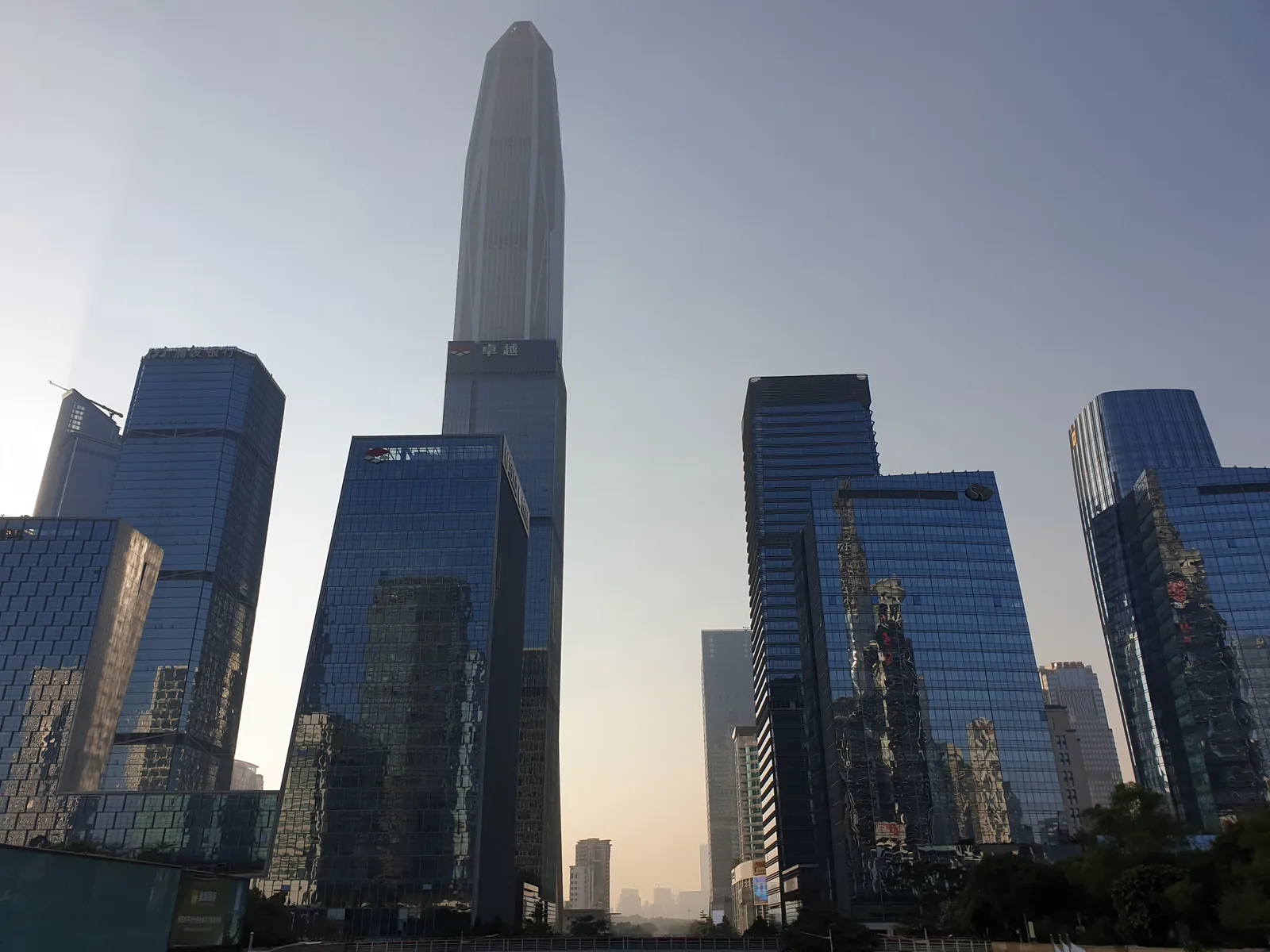
Shenzhen for newcomers at a glance
| How hard is it to make friends? | Easier than any city its size: nobody is local, everyone remembers their first month, and the default plan is a run or a hill, not a bar. The catch is follow-through — people work late, and "next time" is the local "we should hang out". |
| Cost of a social month | Around ¥1,500–2,500 on top of rent and everyday food. Runs and hikes are free. |
| Transit card | None needed. A QR code in Alipay, WeChat or the 深圳通 app does metro, bus and bikes; foreign Visa/Mastercard tap at the marked gates. |
| The months that change everything | November to February, when the air dries and the whole city goes outside. And Chinese New Year, when half of it goes home. |
| The Chinese community | Is everyone. The bubbles to watch are Shekou (if you're foreign) and your hometown WeChat group (if you're not). |
| Apps | WeChat runs everything. For finding a plan tonight, MeetMap is on the mainland App Store and needs no VPN. |
What Shenzhen is actually like socially
The reputation inside China is that this is 搞钱之都 — the city you come to for money — with no culture, no locals and no time. There's truth in it: the tech park in Nanshan doesn't empty at six, it empties at eight, into the restaurants around it. You'll hear 下次约 ("let's do it next time") far more often than you'll see the next time happen.
What the reputation misses is that, because nobody was born here, there's no in-group to be excluded from. People talk to strangers on the trail, in the badminton hall, in the hotpot queue, because the person next to them is also from Hunan or Hubei or Manchester and also arrived recently. The weak link is the follow-through, and the fix is to always propose something with a time on it. More on that later.
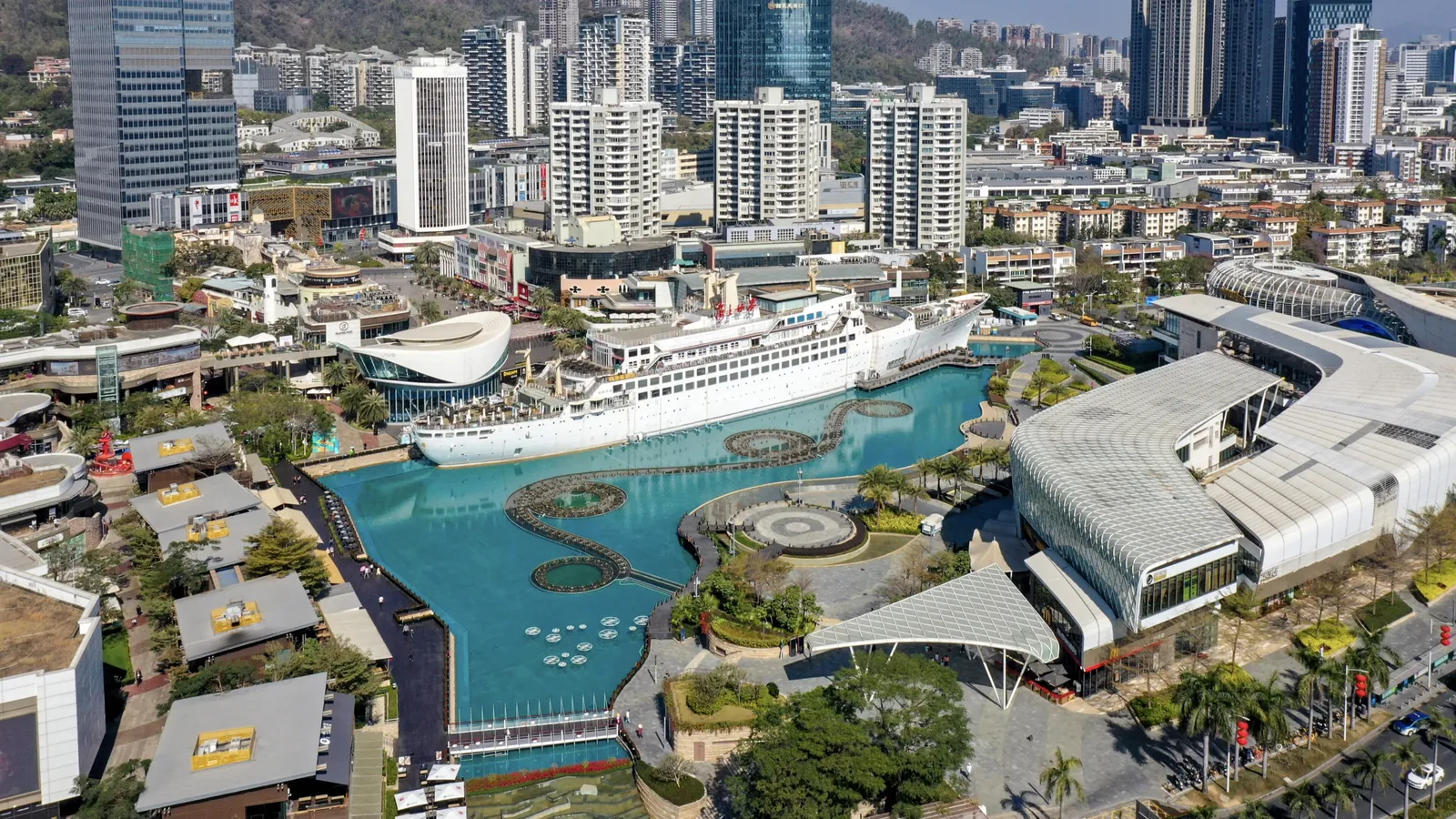
The other thing it misses is how physical the city is. Shenzhen doesn't drink much by Chinese standards, and the bars fit in three or four spots. What it does instead is run, hike, play badminton and throw frisbees. Shenzhen Bay Park is a thirteen-kilometre seafront on the west side, and on a weekday night after eight it's a slow river of runners and cyclists with the lights of Hong Kong across the water. It's also the most enthusiastic ultimate-frisbee city in the country, which matters because a pickup game is a group of strangers by definition.
Language: Mandarin is the lingua franca, not Cantonese. English is common in Shekou, in the tech park and among most graduates under thirty-five, and rare elsewhere. Beginner Mandarin does fine.
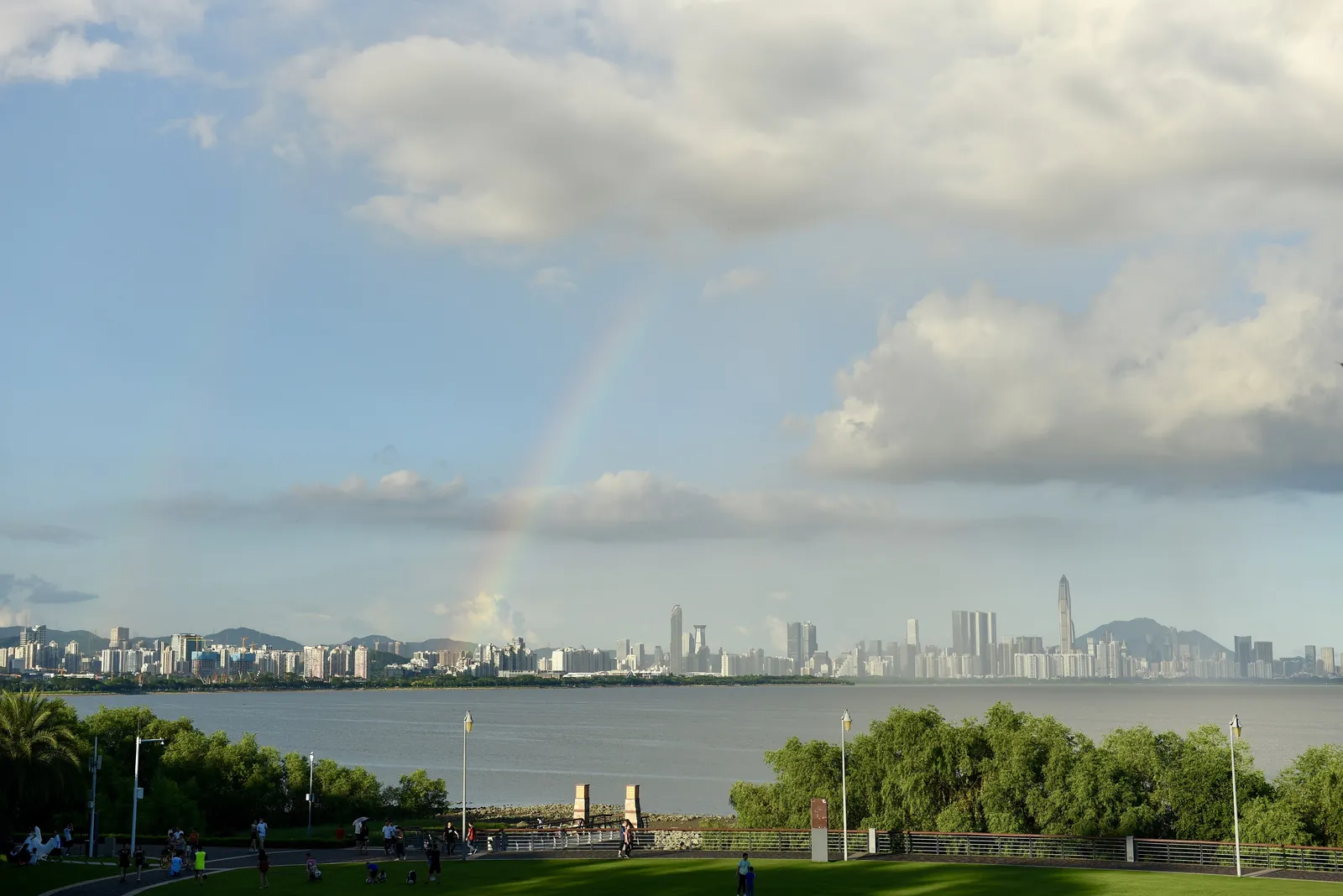
First-month practicalities
Paying. Cash is nearly extinct. Link a foreign Visa or Mastercard to Alipay and WeChat Pay before you land (both have taken foreign cards since 2023) and switch to a Chinese card when you have one. Keep ¥200 in notes anyway.
Getting around. Seventeen metro lines, over four hundred stations, fares of about ¥2–10 by distance, trains roughly 6:30am to 11pm (later on some lines and holidays). Open the transit code (乘车码) in Alipay, WeChat or the 深圳通 app and scan it at the gate; foreign contactless cards work at gates marked with the card logos. Buses are ¥2–3, shared bikes around ¥2–3 for half an hour, a little more at weekends. DiDi is the taxi app; a metered cab starts at ¥10 for the first two kilometres, then about ¥2.7 a kilometre, and ¥13 plus ¥3.51 a kilometre after 11pm.
From the airport. Metro Line 11 reaches Nanshan in 15–20 minutes and Futian in a little over thirty, for around ¥7. A taxi to Futian is ¥100–150 in 40–50 minutes; to the tech park ¥70–90; to Luohu ¥120–150. Airport buses A1 and A2 go to Futian and Luohu stations for around ¥20. The Foreigner One-Stop Service Centre at Terminal 3 international arrivals is open around the clock and sells SIMs and opens bank accounts.
SIM. A China Unicom or China Mobile hall in town (not the airport counters, which sell tourist packages), with your passport: around 30 GB for roughly ¥40–60 a month. Ask for a national plan, not a Guangdong-only one.
Bank. Register your address with the police within 24 hours of moving in (the station, or the Shenzhen police mini-programme; a hotel does it for you). Then take passport, visa or residence permit, the registration slip and a Chinese number to China Merchants Bank (best English app) or Bank of China. The one-stop centres at the airport and Shenzhen Bay Port take 30–60 minutes; ordinary branches take longer and sometimes want a work permit, so bring your contract.
Where newcomers live, and what it costs. One-bedroom flats, roughly: Nanshan and Shekou ¥5,000–9,000 a month, more in the sea-view towers; Futian ¥5,000–8,000; Luohu ¥3,500–6,000; Longhua, Bao'an and Longgang ¥2,500–5,000. A room in a shared flat is ¥1,500–3,500. The cheapest real option is a single room in an urban village (城中村) — Gangxia, Shuiwei and Xiasha in Futian, Nantou and the Xili villages in Nanshan, Minzhi in Longhua — at ¥1,200–2,500. Students mostly live in dorms: Shenzhen University is on Line 1, the University Town cluster (SUSTech, Harbin Tech, the Tsinghua and Peking graduate campuses) is in Xili on Line 5, and CUHK-Shenzhen is in Longgang by Universiade station on Line 3. Locals pay 押一付一 (one month's deposit, one month's rent); agencies serving foreigners tend to want a deposit plus two months, and a fee of half to one month's rent. Search Beike (贝壳), Ziroom (自如) and Xiaohongshu, and see the property certificate next to the landlord's ID before paying anything; sub-landlords renting what they don't own are the standard trick.
Hazards. Shenzhen is very safe in the normal sense. What actually hurts people is electric bikes on pavements: silent, fast, from behind. Pickpockets work the crowds at Dongmen and Huaqiangbei, and that is about the extent of the street crime. Typhoons close the city a few times a summer with a day's warning; a red signal means stay in. The safety page has the rules for meeting people you found online, and they don't relax because a city is safe.
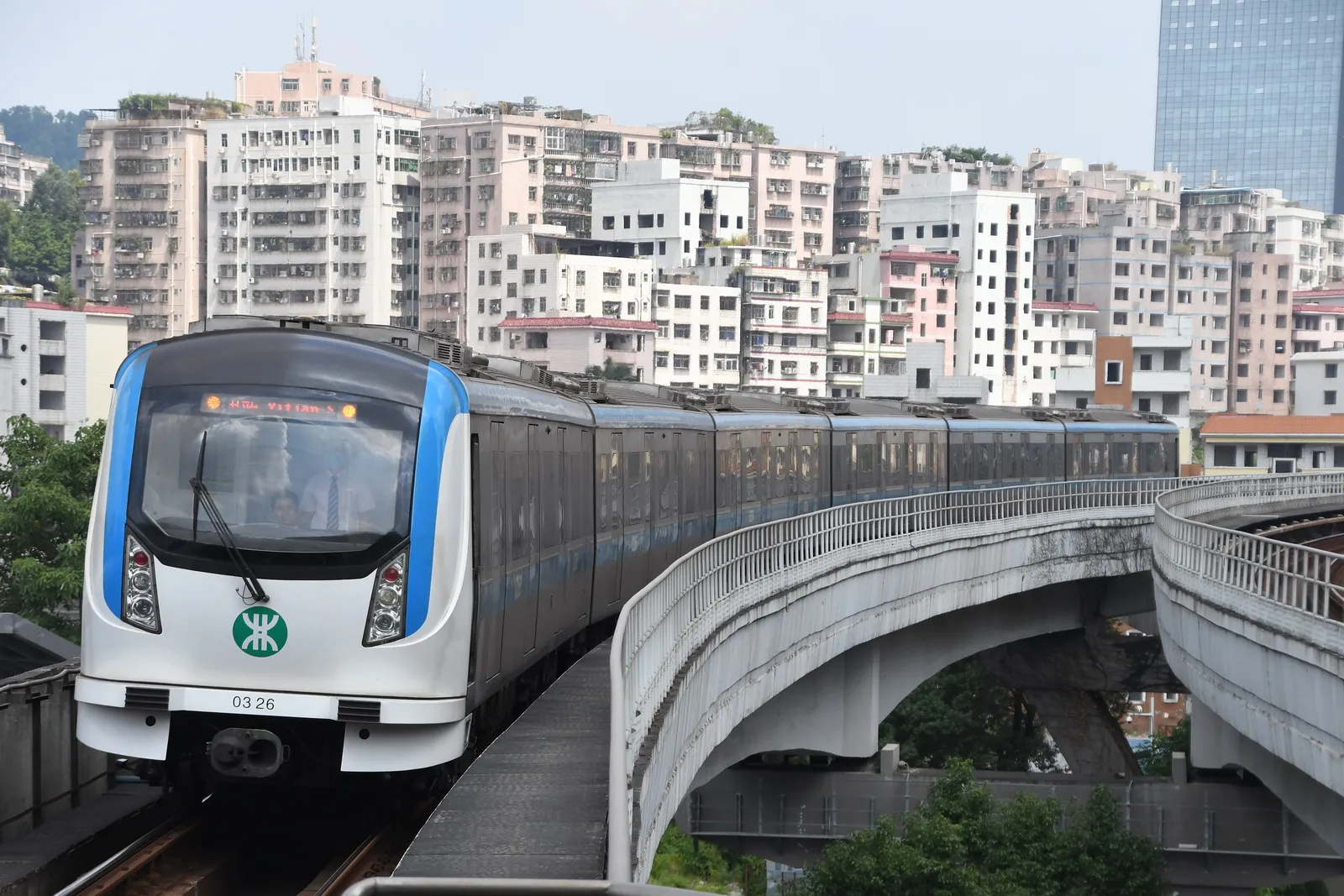
The seasons and what they do to your calendar
Shenzhen has a hot, wet half-year and a mild, dry one, and your social life follows the split whether you plan it or not.
November to February is the season. Daytime 19–26°C in November, around 13–20°C in January, almost no rain, humidity finally gone. Everyone hikes, the run crews are at full strength, the marathon happens (usually December), and a plan posted for Saturday morning fills. Then Chinese New Year, in late January or February, empties the city for two weeks. If it's your first year and you're staying (留深过年, the locals call it), it's a strangely easy fortnight to make friends in, because everyone left behind is in the same position. Go to the flower markets the week before.
March and April bring 回南天, the weeks when warm wet air rolls over cold walls and the whole flat sweats. Buy a dehumidifier (¥300–600). Frisbee season starts, the kapok trees flower red along Shennan Road, and the hikes are still fine until May.
May to September is 30–34°C by day and 26–28°C at midnight, with over 300 mm of rain in each of June, July and August, mostly as afternoon downpours, plus three or four typhoons a season. Life goes indoors and after dark: badminton halls, board-game cafés, malls, the bay after nine. Dragon Boat in June is the one outdoor festival worth the heat; the beaches at Dameisha and Xichong are the escape.
October is the relief. National Day week (the first seven days) is the worst time to go anywhere in China; the three weeks after it are the best in Shenzhen's year.
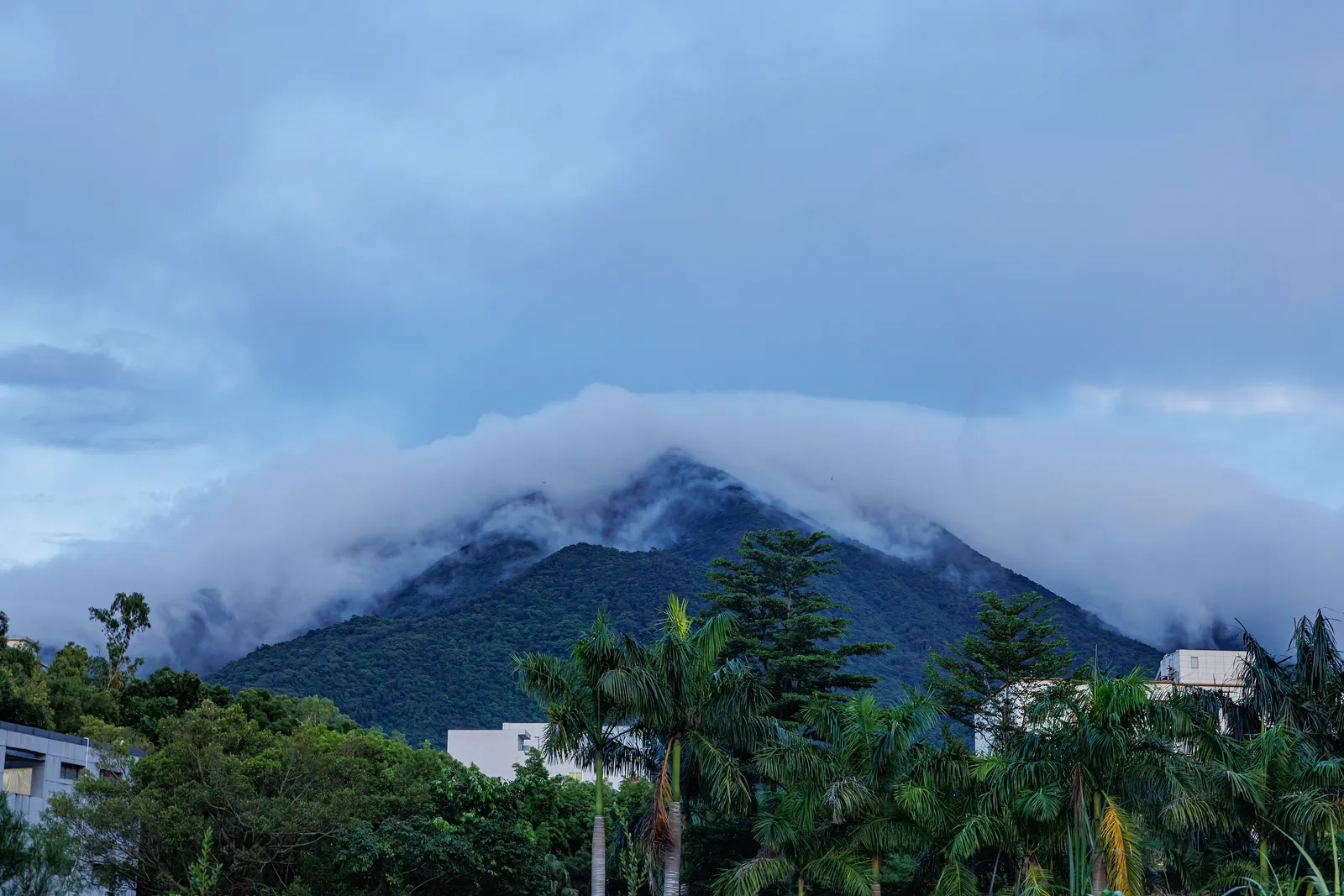
Ways to meet people in Shenzhen
Ordered by how fast they've worked for people I know, cheapest near the top. None needs a membership, and every one pays off more on the second visit than the first.
1. Run Shenzhen Bay after dark
Line 9 to Shenzhen Bay Park station. The seafront path runs thirteen kilometres from the mangroves in Futian to Sea World in Shekou — flat, lit, no cars — and from about 7:30pm on weeknights it fills with run crews doing five to ten kilometres at talking pace. Find them on Xiaohongshu or WeChat (search 深圳湾 夜跑); most meet at the gates near Houhai and split by pace. Free. The crews also put on their own 5 and 10 km runs most months for a few dozen yuan, and everyone stays for breakfast; the December marathon (ballot, around ¥200) is the big one. Or skip the crews and run the same stretch at the same hour for a week; by Thursday somebody will ask your pace.
2. The Shekou Hash
The Shekou Hash House Harriers have met every Saturday since 1984. Turn up at the George & Dragon at Sea World (Line 2 or 12, Sea World station, exit A) at about 1pm; a bus takes everyone to a trailhead, the run is around 7 km through the hills with a walking option, and it ends with beer and a cheap dinner. A few dozen yuan of "hash cash" at the start covers the bus and the drinks. Thirty to eighty people, mostly foreign, all ages, no fitness required. Just show up.
3. Wutong at dawn (the legal version)
Wutong is the city's highest point at 943 metres, and for years the tradition was to start at two in the morning and watch sunrise from the top. The park has now banned night climbing outright (hours are 6am to 7pm, with notices at every gate and a fresh reminder in January 2026 after people got stuck up there over New Year), so the plan that survives is: north gate at six, up 好汉坡 in about three hours, sunrise from the slope, summit by nine, noodles in Wutong village after. Line 8 (trains run through from Line 2) to Wutong Shan South, exit D, or bus 211 to the north gate. Free. Go with a hiking group from Xiaohongshu the first time; the good ones charge nothing but a shared DiDi.
4. Nanshan before work
The small hill by the bay — 大南山, 336 metres — is the one people climb before the office: 45 minutes up paved steps from the Nanshan Park gate (Line 2 to Dongjiaotou or Wanxia, ten minutes' walk), the whole bay and Hong Kong from the top, down for a 9am start. The 6:30 regulars have been climbing it for years and treat anyone who turns up twice as one of theirs. Free, trainers only. It's the honest answer if Wutong sounds like too much.
5. Dongxichong and the Dapeng day trips
The coastal traverse from Dongchong beach to Xichong beach, in the far east of the city, is the classic group day: around 9 km of headland, rock and sand, four to five hours, a swim at the end. By public transport it's metro then bus (the M231 does the last leg from Dapeng), two hours or more from the centre; most people go with a hiking group instead, which arranges a minibus and insurance for ¥80–150 a head; by the second headland the minibus has turned into a group. Best October to April.
6. Ultimate frisbee
Shenzhen took up ultimate in 2022 harder than any city in China and, unlike most fads, kept it. Search 深圳 飞盘 on Xiaohongshu or WeChat: clubs run beginner sessions most evenings on rented pitches in Nanshan, Futian and Longhua at ¥50–80 a session including a coach. Mixed teams are the rule, nobody keeps score seriously, and the group eats afterwards. It's the fastest route from "knows nobody" to "has a Tuesday" that I know of here.
7. Badminton, and the booking apps
The real national sport, with halls in every district. Courts are ¥40–80 an hour, booked through mini-programmes like 趣运动 inside WeChat, where you'll also find 约球 groups — open sessions where someone books two courts for three hours and fills them with strangers at ¥25–40 a head. Bring a racket (¥150 for a decent starter) and a tube of shuttles. The Tuesday-night regulars are used to new faces.
8. OCT-LOFT on a Saturday
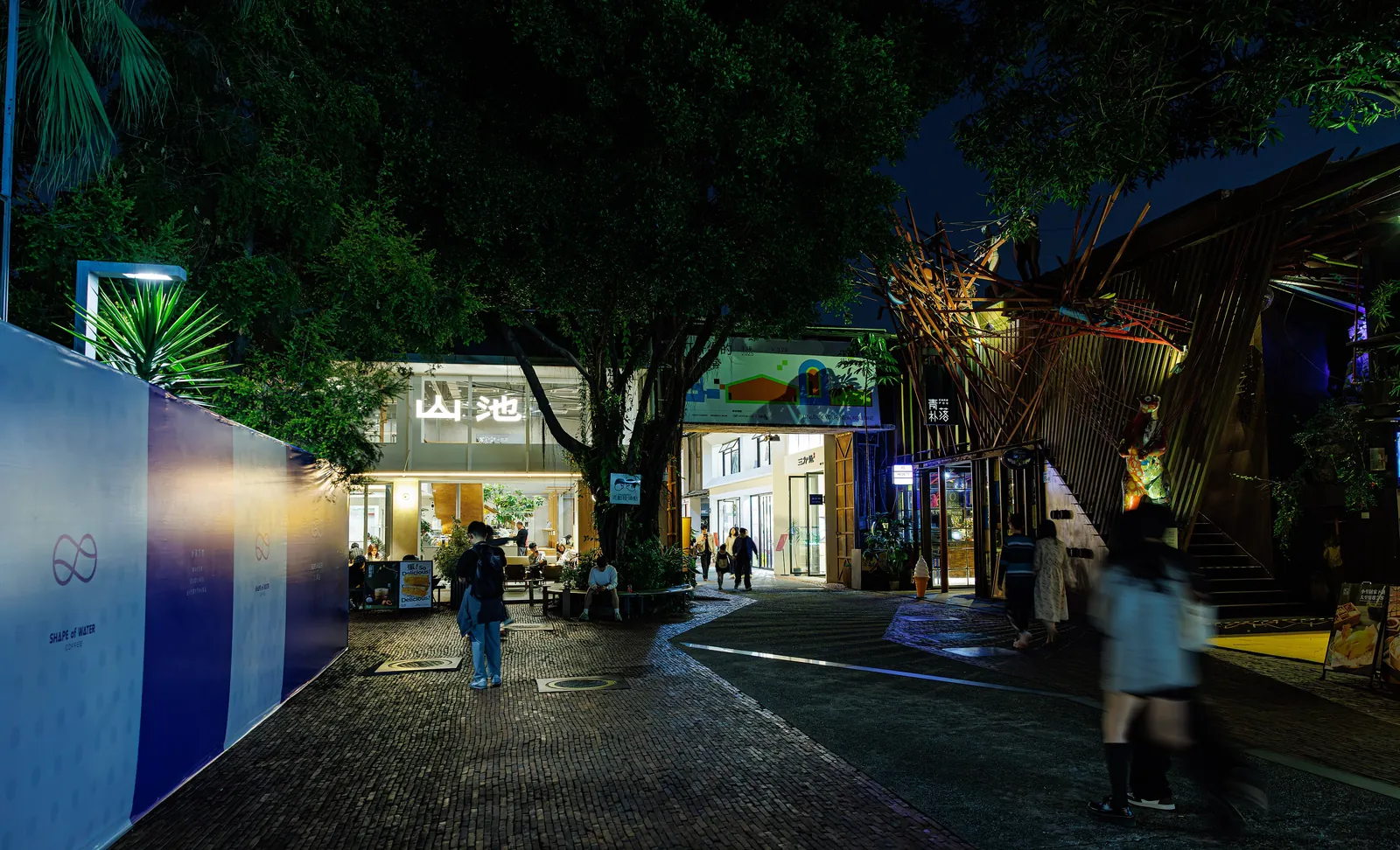
The converted factory blocks at Qiaocheng East (Line 1, exit A, ten minutes' walk) are where the city keeps its cafés, galleries, small bookshops and the people who have time. Free to enter. The T-Street creative market runs on selected weekends (its WeChat account posts the dates) and is the easiest place in Shenzhen to talk to a stranger over a stall. B10 Live has gigs from about ¥80–200; Old Heaven Books has a counter you can sit at alone. Go at noon on a Saturday and stay until dark.
9. Board-game cafés and 剧本杀
The indoor answer to July. Board-game cafés (桌游吧) charge ¥40–80 a person for an afternoon with tea, and most will seat a solo visitor at a table that needs one more if you ask. 剧本杀 — scripted murder mystery, five to eight players, three to five hours — is ¥100–200 a game, and shops fill tables with strangers (拼车) as a matter of course. Both cluster around Coco Park in Futian and Haian City in Nanshan, and after four hours in character with six people, somebody suggests dinner.
10. Language exchange and Mandarin classes
HelloTalk, the language-exchange app, was built in this city and runs offline meetups here; there are also weekly exchange nights in Shekou and Futian cafés, found through WeChat groups. (The foreign community also organises on Facebook groups, Meetup and InterNations, all of which need a VPN here; the WeChat groups behind them don't.) Group Mandarin classes at the private schools in Futian and Nanshan run ¥100–200 an hour and become a group chat by week two; Shenzhen University's language centre is cheaper per semester on a student visa. For the reverse, the English corners at the Book City are free and decades old.
11. Volunteering
Shenzhen calls itself 志愿者之城, the city of volunteers, and means it. Register on the 志愿深圳 (i志愿) mini-programme in WeChat and you'll be offered three- or four-hour shifts at the red U-shaped 义工 booths outside metro stations, at the marathon and at every big event. Free, and you're paired with people who are, by selection, the sort who turn up. It's also the only way I know to meet older Shenzheners, who appear nowhere else on this list.
12. Libraries and the Book City
Shenzhen Library at the Civic Centre (Line 2 or 4) is free, enormous and full of twenty-somethings by 9am on a weekend; the queue before opening is itself a social event. The central Book City next door hosts free author talks most weekends; the new North library in Longhua (2023) is quieter. None is a place to talk, but the reading and study groups recruit there, on the noticeboards and in the mini-programme.
13. Coworking and the tech-park lunch
If you work remotely, a hot desk in Nanshan or Futian is ¥1,500–2,500 a month or ¥100–150 a day, and the value is the lunch table, not the wifi. If you work in the tech park, the canteens are at their most social at 12:15, and the hardware and startup meetups (English and Chinese) at Shenzhen Bay Startup Plaza are most weeks, usually free with drinks.
14. Sea World and the bars that exist
Shenzhen's bar scene fits in three places: Sea World in Shekou (Line 2/12), the bar street at Coco Park in Futian (Line 1/3, Shopping Park station), and around Haian City in Nanshan. Sea World is the foreign one — quiz nights, live music, a couple of craft-beer taprooms — and a beer is ¥30–50. Coco Park is the office-worker one. You don't need to drink; both have coffee, and a quiz night is a team of strangers by design.
15. Hobby and faith communities
Cycling clubs do the bay loop and the Dapeng coast at weekends (find them where you find the run crews). Climbing gyms in Nanshan and Futian are ¥100–150 a session with a beginner wall. Photography walks, 汉服 groups, choirs, English improv in Shekou: all on Xiaohongshu, all with a WeChat group at the end. On faith: Hongfa Temple in the Fairy Lake botanical garden in Luohu (garden entry around ¥15) is the Buddhist centre; Shenzhen Christian Church in Meilin holds Chinese services and the Shekou international fellowship is for passport holders; the mosque is in Meilin too.
16. Hong Kong on a Saturday
Thirty minutes away and, for a day out, a different country. Futian Port (Line 4 or 10, Futian Checkpoint) is open 6:30am to 10:30pm and lands you at Lok Ma Chau on the East Rail line, forty minutes from Kowloon Tong; Luohu, at the end of Line 1, does the same to Lo Wu until midnight; Huanggang runs all night; Shenzhen Bay Port (Line 13) serves the western New Territories. "Hong Kong Saturday, hike then dim sum" is the plan people here make constantly, and the easiest to fill, because it has a train time in it. Budget ¥300–500 including an Octopus card.
17. Beef hotpot, which needs three
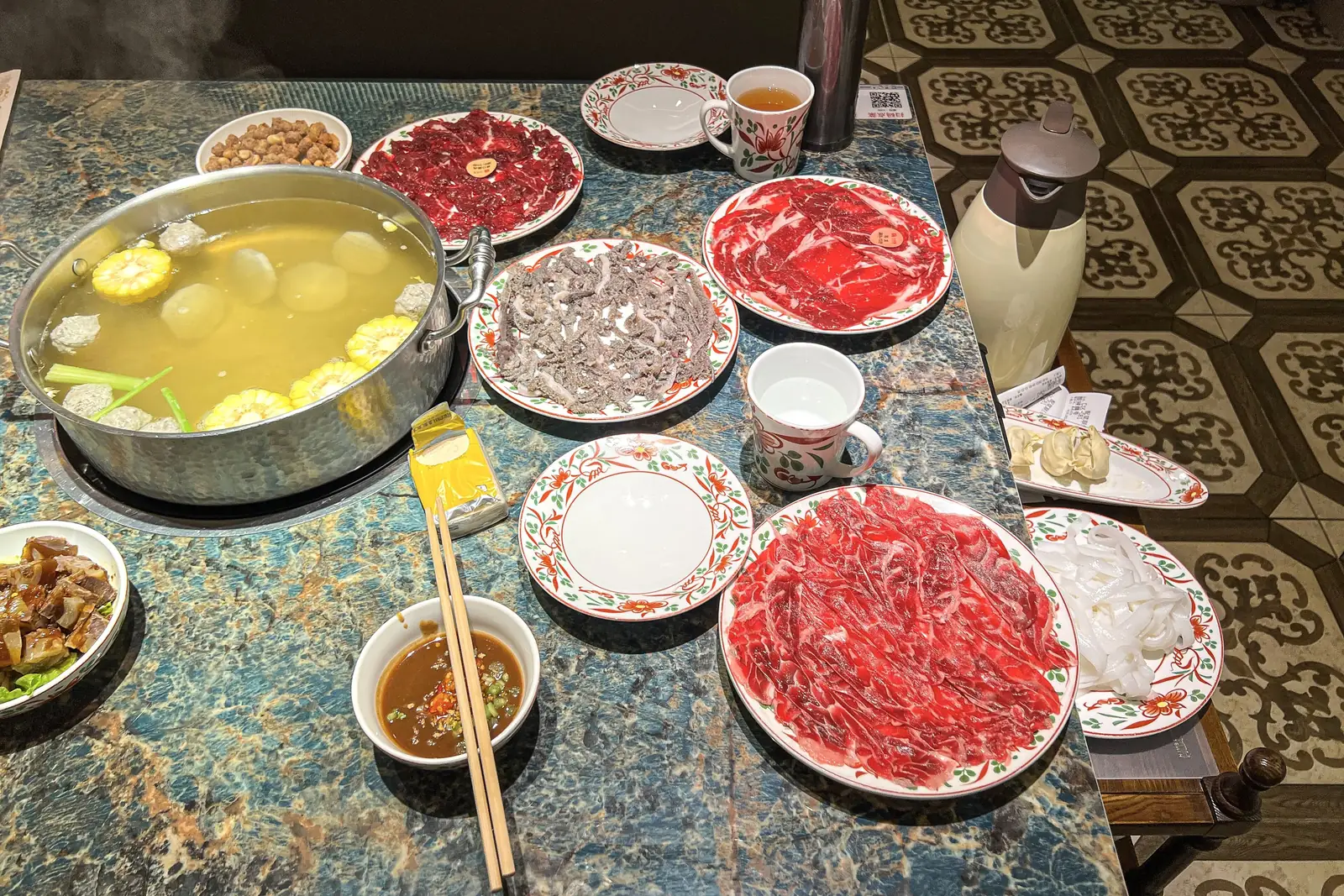
Chaoshan beef hotpot — hand-cut, ten seconds in the broth, sand-tea sauce — came with the Chaoshan people who built half the city, and 八合里 and its rivals are everywhere. It's ¥80–130 a head, ordered by the plate, and it doesn't work for one and barely works for two, which is the most useful fact in this guide: "hotpot near the tech park at 7, needs two more" fills, because everyone within a kilometre has the same problem. Hunan and Sichuan places, and Cantonese roast-goose tables, work the same way.
Shekou, and the hometown version of the same thing
There are two comfortable bubbles in Shenzhen, and you'll be offered one in your first week.
If you're foreign, it's Shekou: the strip from Sea World up Taizi Road to the international schools, where the menus are in English, the bars have quiz nights, and a third of the supermarket is from somewhere you've been. It's genuinely pleasant. It also means that a year in, you can know forty foreigners and two locals and never have found out where your colleagues go on a Sunday.
If you're Chinese and from somewhere else, it's your 老乡 group: the Chaoshan networks around Luohu and Buji, the Hunan crowd in Longhua, the Hubei and Jiangxi communities in the factory districts of Bao'an, the Hakka in Longgang. The hometown WeChat group has the job leads, the flat that just came free, and a Friday table where you can speak dialect. The help is real, and so is the way a year can pass without a single friend from outside your province.
Use both, deliberately. Rent in the bubble if it makes the first month bearable. Then put two fixed things a week outside it — a Tuesday frisbee session in Futian, a Saturday hike with whoever's in the group — and keep the bubble as the place you sleep, not the whole city.
Leave every conversation with a time in it
Everything above puts you next to people. What turns that into friends, in Shenzhen, is refusing to let 下次约 be the last thing said. Replace it with a time: "Bay run Thursday 8pm, same gate?" "Hotpot Friday, seven, I'll book." Naming the time isn't pushy here; the other four people at the table were hoping somebody would, because they all work until eight and none of them wants to be the one who looks keen. There's a longer, city-agnostic version of this argument in how to meet people in a new city when you know nobody. Shenzhen is the easy case, because there's no old guard whose invitation you're waiting for.
Then start being the one who writes the message. A thirty-person WeChat group can go a month without producing a single dinner, and then produce one within ten minutes of somebody typing "八合里 at 7, table for six, who's in". The first time you type it you'll stare at the screen for a while. Nobody else will think about it at all.
MeetMap is a map of small plans happening soon near you: a coffee at eight, a run at the bay, a table at hotpot with three seats left. Each pin shows the time, the place and how many seats remain; you take a seat and you're in the group chat. Looking is free, it's not a dating app, and for Shenzhen specifically it's on the mainland App Store and works without a VPN. If the map around you is empty the first time you open it, that's your cue to post the first plan — "Shenzhen Bay, 8pm, easy 5k" or "hotpot near Houhai, 7, needs two" — and watch the seats go. In a city where everyone remembers their own first month, they don't stay empty for long.
What a social month costs
One person, on top of rent and ordinary meals, in yuan.
| Frugal | Typical | Generous | |
|---|---|---|---|
| Runs, hikes, Nanshan | 0 | 0 | 0 |
| Transport to trailheads | 50 | 150 | 300 (group trips) |
| Frisbee / badminton, twice a week | 0 (pickup basketball) | 400 | 600 |
| Group dinners | 300 (4 hotpots) | 800 (8) | 1,500 |
| Board games / 剧本杀 / a gig | 0 | 200 | 500 |
| Coffee with people | 100 | 250 | 400 |
| One Hong Kong day | 0 | 400 | 600 |
| Month | ~450 | ~2,200 | ~3,900 |
Add a gym at about ¥300 a month, and Mandarin at ¥100–200 an hour if you're learning. Rent is the real number: ¥2,000–3,500 for a room, ¥5,000–8,000 for your own flat in Futian, plus the first-month lump of deposit, rent and agent fee.
A first-month plan
Week 1 — admin, and the bay. SIM and bank at a one-stop centre or a branch, police registration, transit code. Walk (don't run yet) the bay path from Houhai to Sea World one evening so you know it. Find your breakfast stall. Eat hotpot once, alone, so you know what you're recruiting for.
Week 2 — one fixed thing. One frisbee beginner session, one run-crew night or one badminton 约球 group, and go twice. Sign up for a class that meets on a fixed weekday. Accept the first concrete invitation that comes your way, even if it's a 剧本杀 in Longhua.
Week 3 — a hill. Nanshan before work on a weekday; Wutong or Dongxichong with a group at the weekend. OCT-LOFT on Saturday if it's a market weekend. Post your first plan: hotpot, Friday, four seats.
Week 4 — leave the bubble. A Hong Kong Saturday with the people from week two. One volunteer shift. One thing in a district you haven't been to. By now there should be a Tuesday and a Saturday that repeat without you organising them, which is what having friends here looks like.
FAQ
Is it hard to make friends in Shenzhen?
No; by big-city standards it's one of the easier ones, because nobody is from here and the default plan is an activity, not a bar. The hard part is follow-through — people work late and say "next time" — which you fix by always proposing a time.
Is Shenzhen friendly to foreigners?
Yes, and curious rather than cold. The foreign community is smaller than Shanghai's and more concentrated in Shekou, which makes it easy to find and easy to get stuck in.
Do I need Mandarin or Cantonese?
Mandarin, not Cantonese; almost nobody here speaks Cantonese first. You can have a social life in English inside Shekou and the tech park. Outside them, even a hundred words changes what's possible, and the classes are themselves a way to meet people.
Is Shenzhen safe at night for a woman on her own?
Yes. The bay path is lit and busy until late, the metro runs to about eleven, DiDi covers the rest. The everyday hazard is electric bikes, not people. The rules for meeting someone from an app — public place, tell a friend, your own way home — are on the safety page.
Where do young people hang out in Shenzhen?
Shenzhen Bay after eight, the badminton halls, the frisbee pitches, OCT-LOFT at weekends, Coco Park and Haian City in the evenings, the trails from November to April, and Hong Kong on Saturdays.
How do I meet people in Shenzhen if I don't drink?
Easily; this is a city that barely does. Run crews, the Hash (walking option, soft drinks fine), hiking groups, frisbee, badminton, board-game cafés, volunteering, language exchange: almost nothing on the list above happens in a bar.
Before you go out tonight
The slogan on the hoarding is doing more work than it looks. Nobody in this city was born here, everybody ate alone in their first month, and that shared memory is why a stranger's plan gets picked up faster in Shenzhen than almost anywhere I know. So run the bay, climb the small hill, learn how many people hotpot needs, and when the group chat goes quiet at six, name a time. The slogan was never a welcome so much as a job description: the people who made this city theirs did it by bringing the next arrivals along, and now it's your turn.
