Home›Blog›Kuala Lumpur solo travel guide: safety, where to stay, what to do, and how to meet people (2026)
Kuala Lumpur solo travel guide: safety, where to stay, what to do, and how to meet people (2026)
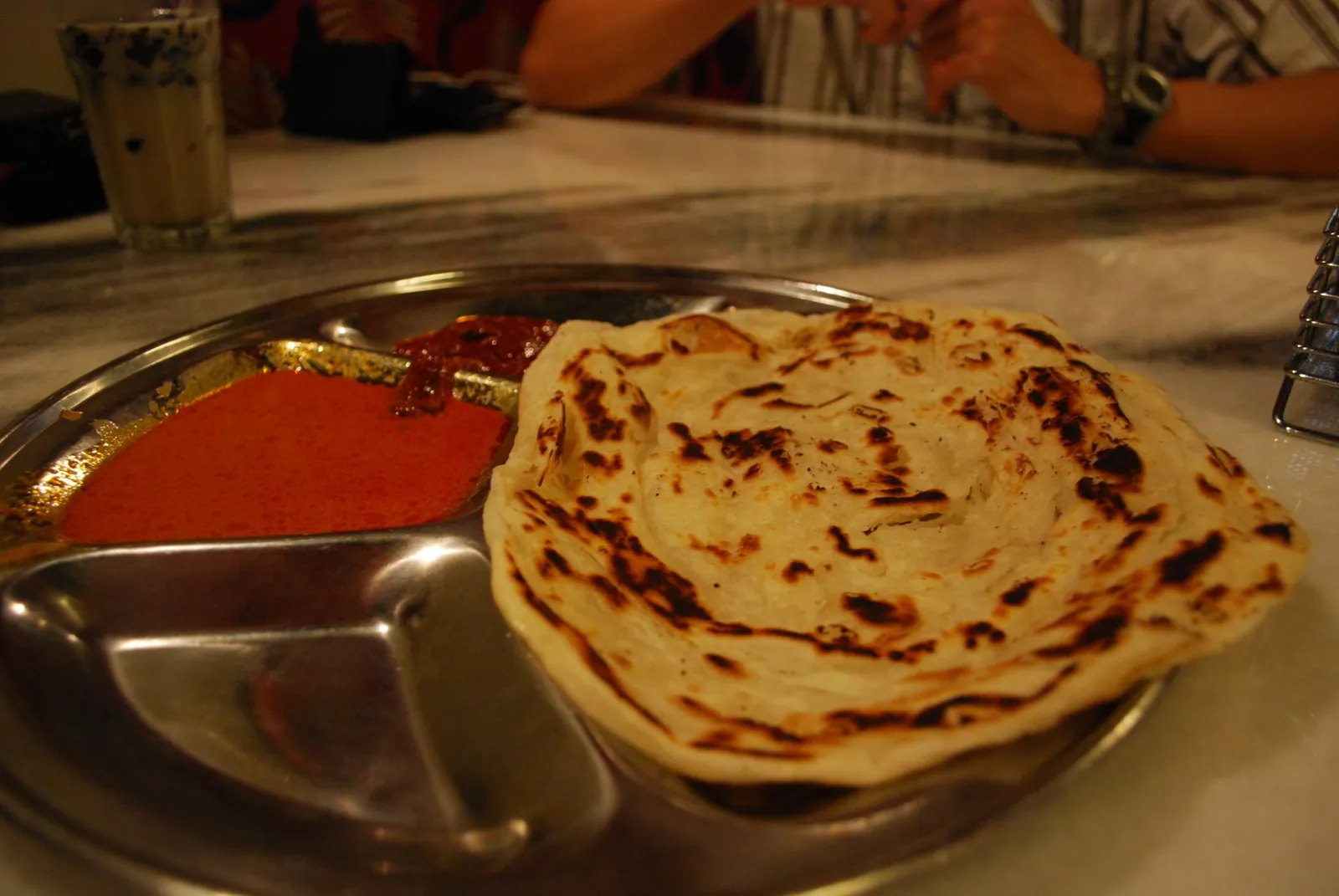
At three in the morning in Kuala Lumpur there is a table for you, and it's plastic. The mamak — the Indian-Muslim pavement café with the football on a screen, roti canai coming off the griddle and teh tarik poured from shoulder height — doesn't close, doesn't mind that you're alone, and doesn't care how long you sit over one RM2.50 tea. I understood this city not at the Petronas Towers but at a mamak in Bangsar around two in the morning, watching a table of strangers argue about a penalty, none of whom had arrived together.
The other thing that makes KL unusually easy alone is the language. Malay is official, English is the working language, and Chinese is everywhere: roughly four in ten people in the city are ethnic Chinese, the kopitiam menus in Chinatown are bilingual, and the uncle at the counter switches between Cantonese, Mandarin, Hokkien and English mid-sentence. If you speak any Chinese, this is the easiest big city in Southeast Asia to be understood in.
What KL is not is a city that shows itself to you. The good parts are behind mall façades and at the far end of a Grab ride, and a first-timer at the wrong end of Bukit Bintang can leave thinking it's all traffic and shopping centres. The practical half of this guide is about getting past that. The other half is about the mamak table, because that's the part nobody writes down. Ringgit throughout (RM), checked in September 2026; assume anything with a number on it has moved a little by the time you read it.
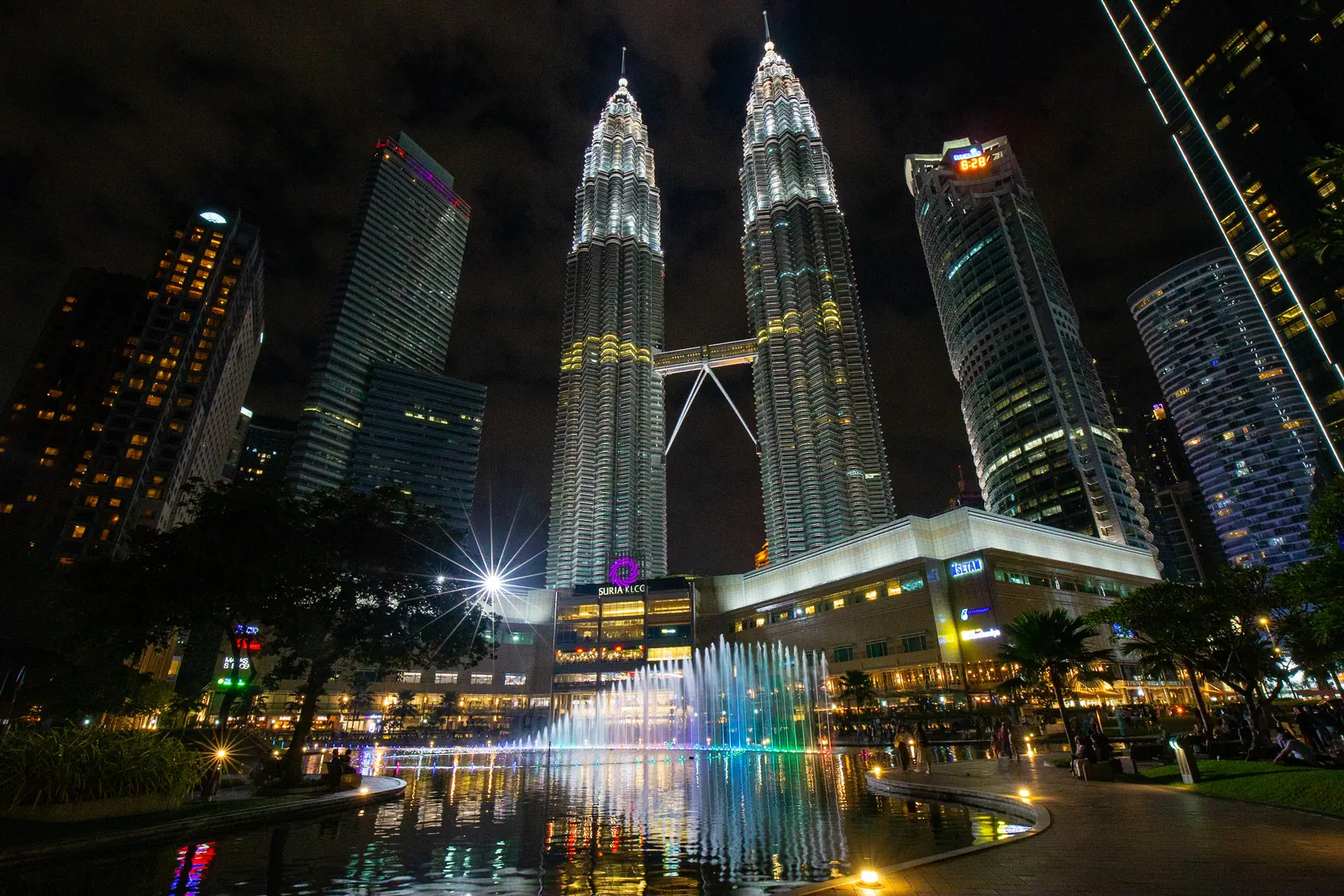
Kuala Lumpur solo travel at a glance
| Is it safe alone? | Yes. The risk is a scooter grabbing your bag, not a person hurting you. Plenty of women do it alone. |
| How many days | 3 full days; 4 with Batu Caves and a hike or Melaka |
| Best months | June to August (driest), or February to March. November is the wettest by a long way. |
| Daily budget | RM120–160 on a dorm-and-hawker budget; RM300–450 mid-range; RM800+ comfortable |
| Getting around | LRT, MRT and Monorail for the spine of the city; Grab for the rest. Skip street taxis. |
| Where to sleep | Chinatown for company, Bukit Bintang for convenience, Bangsar if you're staying a week |
| Language | English works everywhere. Chinese works in half the city. |
| Payment | Cards in malls and hotels; cash at mamaks and hawker stalls; DuitNow QR in between (Alipay and WeChat scan it too) |
| The one app to install | Grab. And MeetMap for the evenings, which get their own section. |
Is Kuala Lumpur safe for solo travellers?
Yes. Nobody is going to hurt you here. What actually happens to visitors is one street crime — the scooter snatch — and a handful of scams so old that locals can recite them, which is worth doing once.
Motorbike bag-snatching. Two on a scooter come up behind you, the pillion grabs the bag or phone, and they're gone — anywhere a pavement runs beside a road. Bag on the side away from the road, strap across the body, phone in a pocket while you walk, and don't hold on if it happens. People get dragged.
The card game at the "friend's" house. A well-dressed local chats to you in a mall; their sister is moving to your country, would you come for dinner and tell the family about it? At the house a card game starts, you win a little, a rich stranger arrives and loses, and by the time you understand the arrangement you've been to an ATM twice. The Malaysian papers call it the blackjack scam and have been printing the same script for twenty years.
The monk with the gold token. Around Bukit Bintang, someone in saffron presses a gold-coloured card into your hand and opens a donation book. Give it back.
The smaller ones. A street taxi that won't use the meter quotes RM30 for a RM10 trip; open Grab. ATMs inside banks, not a street kiosk at midnight. On Changkat Bukit Bintang, the bar street, check prices before the second round and keep your drink in sight. A plain-clothes "policeman" who finds a passport problem a cash fine would fix: ask for ID and offer to walk to the station.
The non-crime hazards matter as much. The monsoon drains beside the pavements are a metre deep and often uncovered; look down when you look up at the towers. Some years September and October bring haze from Sumatra. And Malaysia's drug laws are among the harshest anywhere — trafficking carries the death penalty — so never carry a bag for anyone. How we think about meeting someone you've only met on a screen is on the safety page.
Is Kuala Lumpur safe for solo female travellers?
Yes. Malaysia is Muslim-majority and KL is a mixed city, which in practice means nobody looks at what you're wearing in Bukit Bintang and everyone does in a mosque; shoulders and knees covered at Masjid Negara and Batu Caves (both lend sarongs). The LRT, MRT and KTM have women-only coaches, marked in pink. Getting home late is a Grab, not a walk. Street harassment is uncommon — less than you'd get in Rome or Paris — and the one setting where I'd keep my wits about me is a lift in a quiet building late at night.
When to go
KL has no real seasons. It's about 24°C at dawn and 32–33°C by lunch in every month, and it rains in every month.
- June to August is the driest stretch — around 150–175 mm a month, which is a good month here. Storms are short and predictable. This is when I'd come.
- February and March are the other decent window, a little wetter, with Chinese New Year and (in 2027) Ramadan in the middle.
- November is the one to avoid: over 350 mm on average and days when the storm starts at noon.
Whatever the month, the day has a shape: outdoors from 7 to 11, air-conditioned from 11 to 4, outdoors again from 5. The hills belong to the first slot.
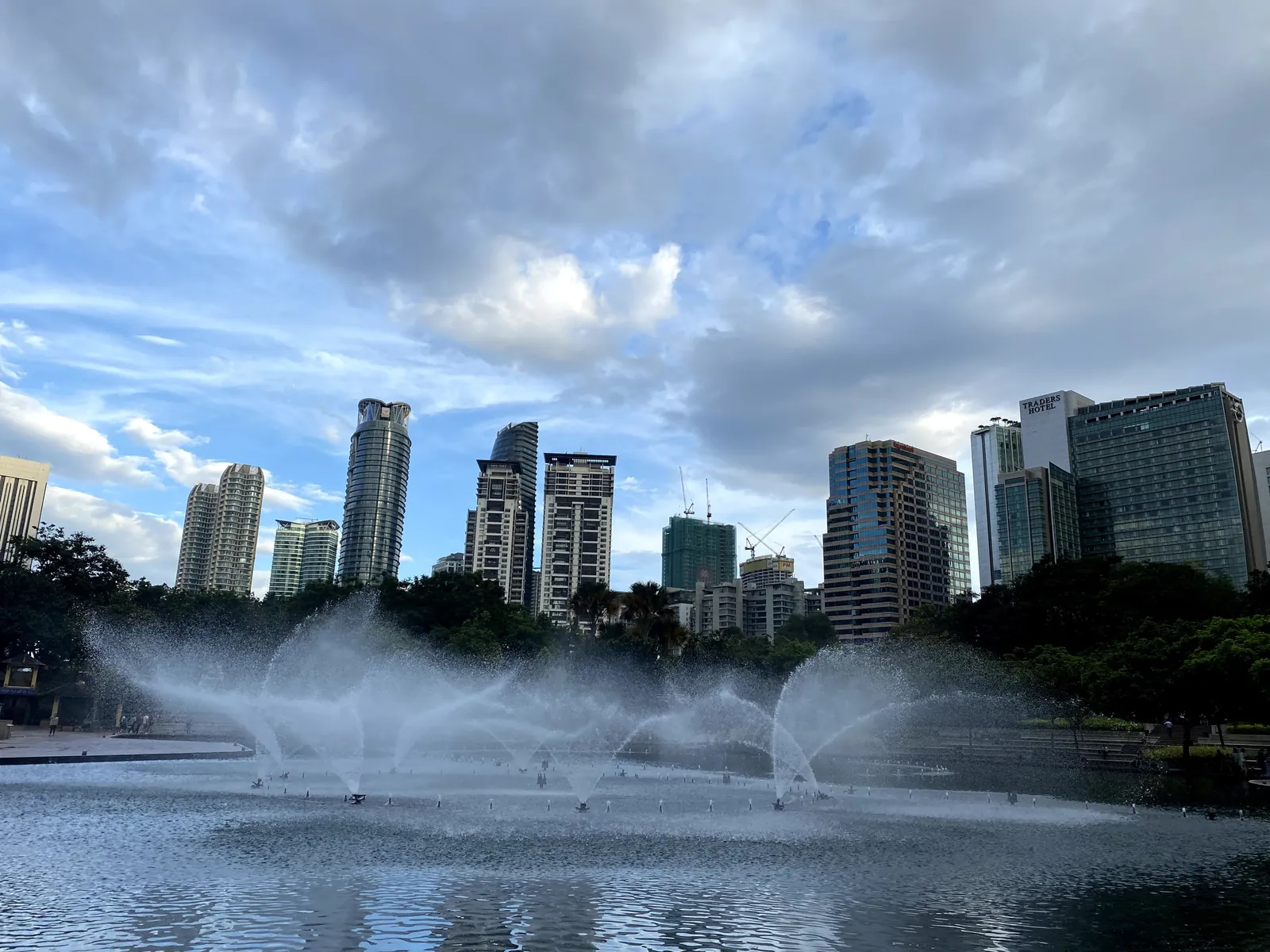
Festivals. Thaipusam at Batu Caves is 22 January 2027 — around a million people and the kavadi bearers, either the most extraordinary thing you'll see in Malaysia or a day to stay away from the caves. Chinese New Year is 6–7 February 2027, when Petaling Street is lit and half the Chinese restaurants close. Ramadan in 2027 runs roughly 8 February to 9 March: mamaks stay open, the Kampung Baru and TTDI bazaars run every afternoon, and breaking fast at around 7:20pm with a plate from the bazaar is one of the best cheap evenings here. Deepavali (8 November 2026) lights Brickfields for a fortnight.
How long to stay
Three full days: Batu Caves at dawn, the towers and the park, Chinatown and the colonial core, one hike or museum, Jalan Alor and a mamak, and one neighbourhood that isn't in the brochures. A fourth is Melaka by bus. If you have more than five, put the extra days on a train to Penang or a bus up to the Cameron Highlands and come back through KL for the flight.
Where to stay in Kuala Lumpur on your own
KL's neighbourhoods are islands — you don't stroll from one to the next — so where you sleep is where your evenings happen. Pick the island before the room.
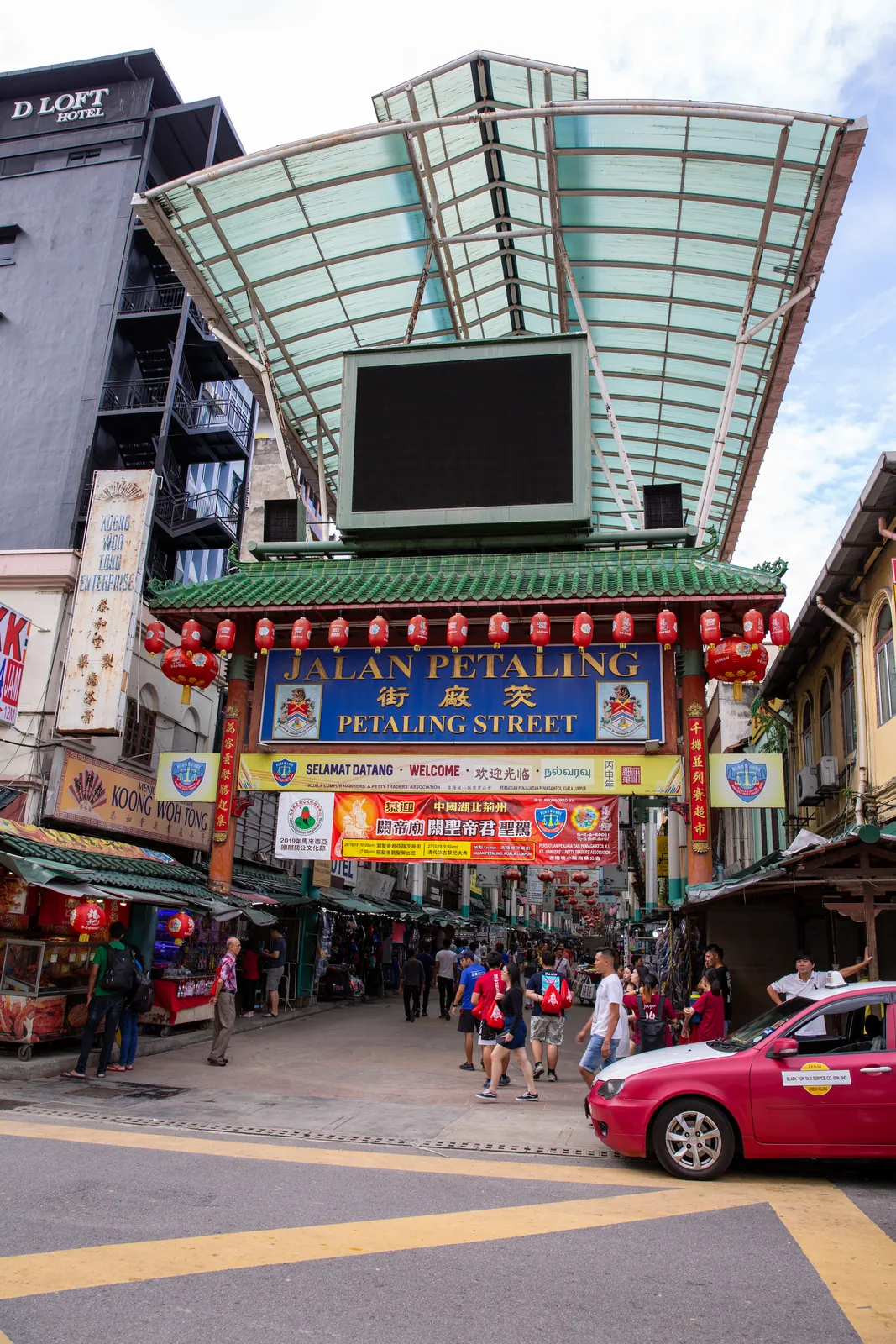
Chinatown (Petaling Street) and the lanes around Pasar Seni. Where I'd put a first-timer alone. The good hostels have courtyards and rooftops, the kopitiams open at seven, and Pasar Seni station has both the LRT and the MRT. It's also the most Chinese-speaking part of the city, and quiet at night, which I count as a plus.
Bukit Bintang. Jalan Alor, Changkat, the big malls, the MRT and Monorail, and most of the city's hostels. Convenient, loud, and home to the backpacker bars. If meeting travellers over a drink is the priority, sleep here; if sleep is, pick a street back from Changkat.
KLCC. The towers, the park, the serious hotels; expensive, and dead after ten. A last night before an early flight.
Bangsar. One LRT stop from KL Sentral and a world away: the Telawi streets are bars, brunch, a Sunday night market and cafés full of people who live here. Where I'd stay for a week.
TTDI. Residential, on the MRT, with the cafés KL's weekend regulars actually use and the Bukit Kiara trails behind. Better as the place you move to on a second trip than the place you land on the first.
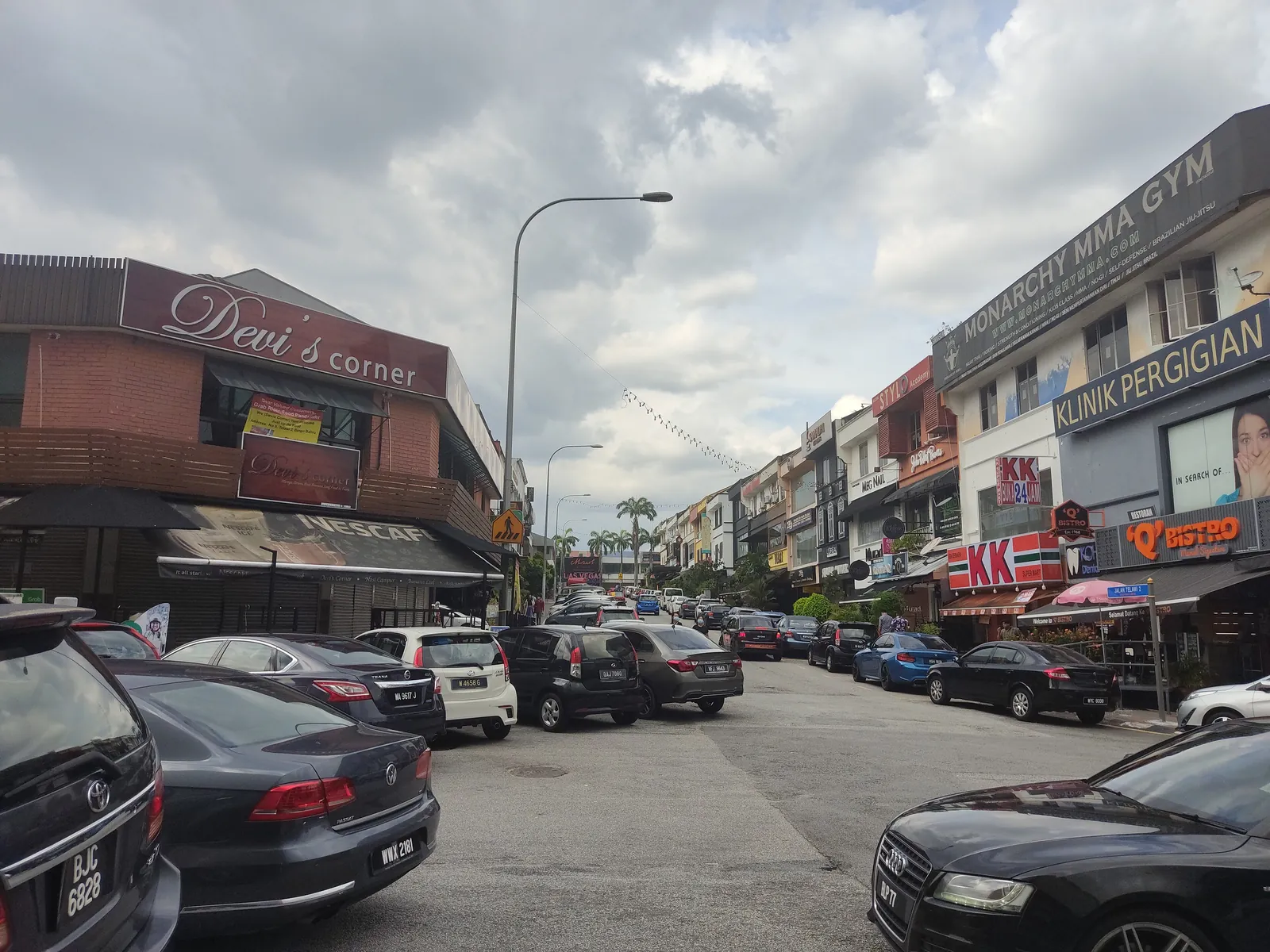
A dorm bed is around RM30–60, a private room RM80–150, a decent hotel RM180–350, a nice one RM400 and up. Foreign guests also pay a RM10-per-room-per-night tourism tax: the booking sites now add it at checkout, and if you book direct or walk in it's collected at the desk, sometimes in cash.
Getting around
From KLIA (terminals 1 and 2). The KLIA Ekspres runs non-stop to KL Sentral in 28 minutes (about 33 from T2) for RM55 one way, RM100 return, from 5am to around 1am; buying in the app knocks 10% off. The KLIA Transit costs the same but stops three or four times on the way (about 39 minutes). The airport coaches (RM13–15) also end at KL Sentral and take 75 minutes or more. A Grab is RM80–100 off-peak, RM110–180 on a Friday evening or a holiday, and takes an hour; the fixed-fare coupon taxis from the counter in arrivals (around RM75, half as much again between 11:30pm and 6am) are the one taxi in KL I'd use. From KL Sentral, your bed is a RM10–15 Grab or a train stop away.
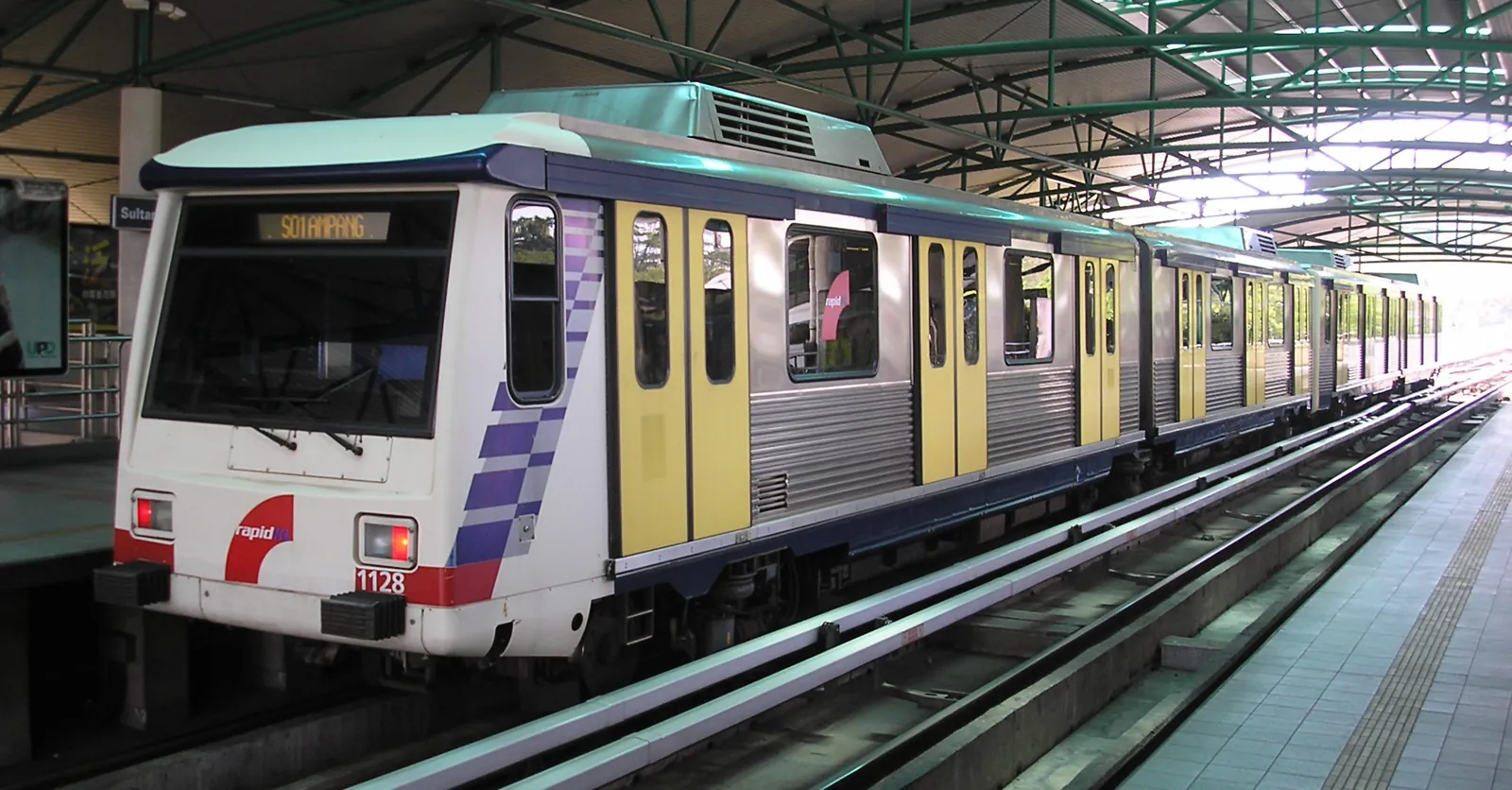
LRT, MRT and Monorail. They cover the spine of the city, and a trip within the centre is roughly RM1–6. The Kelana Jaya LRT is the one you'll use most: KL Sentral to KLCC in ten minutes, Bangsar one stop the other way. The Kajang MRT links Bukit Bintang, Pasar Seni, Muzium Negara and TTDI. Buy a Touch 'n Go card (around RM10 at any 7-Eleven) rather than tokens: about 10% cheaper and it works on buses. Tapping a contactless bank card works on the KTM Komuter gates but not yet on the LRT and MRT (Prasarana was still awarding the contract in mid-2026), so buy the card. First trains around 6am, last ones around midnight.
KTM Komuter. The suburban train to Batu Caves: around RM2.60 from KL Sentral, 30–40 minutes, but trains come every half hour to an hour, so look at the timetable before you walk to the platform.
Grab. For everything the trains don't reach, which is most of the map. You see the fare before you book, you can pay by card or cash, and a ten-minute hop in the centre is RM7–15. The price jumps the moment it rains, so if the sky is going grey, book now.
Walking. Fine within a neighbourhood; between them, the pavements give out, the motorways don't, and a 2 km line on the map turns into forty minutes of overpasses. The exception worth knowing is the air-conditioned elevated walkway from Pavilion in Bukit Bintang to KLCC — about twenty minutes, no traffic, no rain.
Things to do alone in Kuala Lumpur
Twelve things, sorted so the outdoor ones land before eleven.
1. Batu Caves before the heat
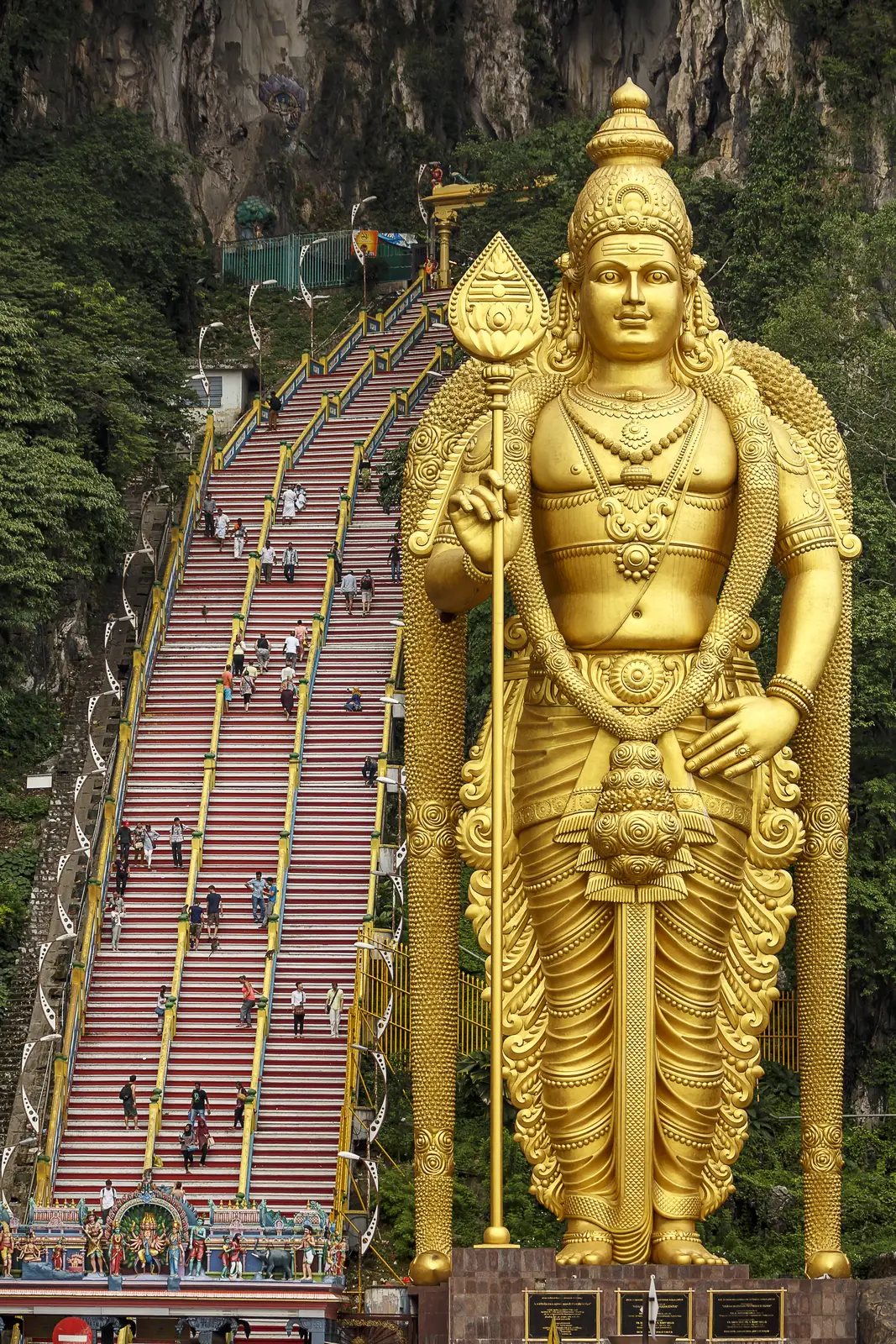
KTM Komuter from KL Sentral, around RM2.60 and 30–40 minutes, aiming to be at the bottom of the 272 rainbow steps by 7:30. The Temple Cave at the top is free, open from about 6am to 9pm (the stairs close at 8:30); Ramayana Cave (RM15) and the Cave Villa (RM10) are optional. The macaques will take anything edible from your hand. Shoulders and knees covered. Back at KL Sentral by ten with the whole day ahead.
2. The towers, from above or below
The Petronas Skybridge-and-Observation-Deck ticket was around RM98 for non-Malaysians on the official site when I last checked; resellers charge a good deal more, and the official price may well have moved, so look before you book. Tuesday to Sunday (closed Mondays), 9am–9pm, on timed slots that sell out at weekends — book online a day or two ahead. Good, not essential. What is essential, and free, is KLCC Park underneath: the 1.3 km jogging loop, the towers from the lake, the fountain show in the evenings. For the view of the towers, the KL Tower is around RM60 for the observation deck, RM110 for the open-air Sky Deck, 9am–10pm daily. Merdeka 118's observation deck still hadn't opened when I wrote this; check.
3. Chinatown in the morning
Pasar Seni station, out early. Kopitiam breakfast on Jalan Sultan — kaya toast, half-boiled eggs and a kopi for RM8–10 — then the Sri Mahamariamman and Guan Di temples a hundred metres apart, the murals of Kwai Chai Hong, Central Market (10am–10pm), and REXKL, the converted cinema with a food hall, a bookshop and something on most evenings. The stalls on Petaling Street sell fakes; the food in the lanes either side is the reason to be here.
4. Jalan Alor at night
The food street in Bukit Bintang opens around five, is at full volume by nine, and some stalls are still frying at two. Sit anywhere, order from any of them, and expect RM15–30 for dinner — grilled chicken wings, satay by the stick, a plate of char kway teow. Yes, it's touristy. The chicken wings don't know that. Bukit Bintang MRT, then follow the smoke.
5. Merdeka Square and the old river
Sultan Abdul Samad Building, the cricket ground turned square, Masjid Jamek where the two rivers meet, and the River of Life walkway, lit blue at night and empty except for joggers at seven. All free, all within ten minutes of each other, Masjid Jamek LRT.
6. The Islamic Arts Museum and the Lake Gardens
RM20, open 9:30am–6pm daily, cool, quiet and the best museum in the city by a distance; give it two hours. Masjid Negara next door is free outside prayer times and lends robes. Below them, Perdana Botanical Gardens (free) fills the afternoon in shade. Muzium Negara is RM5 and a decent hour. Walk from KL Sentral, or Muzium Negara MRT.
7. Banana-leaf lunch in Brickfields
Little India is ten minutes' walk from KL Sentral. Banana-leaf rice — rice on a leaf, three vegetables, a curry, a papadum, refills of everything — is RM12–20, eaten by hand next to office workers who'll show you how without being asked. It's also portioned for one, which most of the good food in KL isn't.
8. Kampung Baru at sunset
The Malay village that refused to be redeveloped and now sits among the skyscrapers. Kampung Baru LRT, then wander: wooden houses on stilts, mosques, nasi lemak stalls that have been there fifty years (a plate with fried chicken, RM8–12). The view of the towers from Jalan Raja Muda Musa at dusk is the postcard one.
9. A hill at dawn
Taman Tugu is a free, shaded forest trail ten minutes' walk from the Lake Gardens, open 7am–6:30pm, and where the city runs before work. Bukit Gasing on the Petaling Jaya side is the steeper hour, with a suspension bridge and a lookout; free, Grab to the Jalan 5/64 entrance. The KL Forest Eco Park canopy walk on Bukit Nanas is the one you can walk to from Bukit Bintang. Whichever, be done by nine.
10. An evening in Bangsar
Bangsar LRT and a fifteen-minute walk (or a RM7 Grab) to the Telawi streets: brunch cafés, bars with happy hours, a night market on Sunday evenings, mamaks on the corners for afterwards. This is where KL spends its weekends. The pavement tables outside the bars touch, and on a Friday you'll be talking to the next one by the second drink.
11. A cooking class, the group activity
If you book one thing before you land, book this, for the first full day. A half-day Malaysian class with a market visit first — LaZat, out of Bangsar, is the famous one, from 8:30 for about five and a half hours — runs roughly RM250–650 depending on who runs it, and you spend the morning shoulder to shoulder with six or eight people who are also here alone. Lunch is what you cooked, eaten together. You leave at two with a full stomach and, usually, a WhatsApp group.
12. A day trip to Melaka
About two hours by bus from the TBS terminal (around RM15; LRT to Bandar Tasik Selatan), and a Jonker Street evening with the old Dutch square is a good full day. Go on a weekday; Jonker's night market on Friday and Saturday is a crush.
Eating alone in Kuala Lumpur
KL feeds a solo diner better than almost anywhere, right up until the food you actually came for.
The easy part: the mamak is built for one. Roti canai RM1.50–2.50, teh tarik RM2–3, maggi goreng RM8, nasi kandar RM10–15, and nobody will ever ask you to move on. Kopitiams do the same at breakfast — kaya toast, eggs, kopi, RM8–10 the lot — and at lunch you'll be seated with strangers at a shared table; "boleh duduk sini?" ("can I sit here?") is all the etiquette there is. Hawker centres (Imbi Market at ICC Pudu, Lot 10 Hutong) are one plate per person by design.
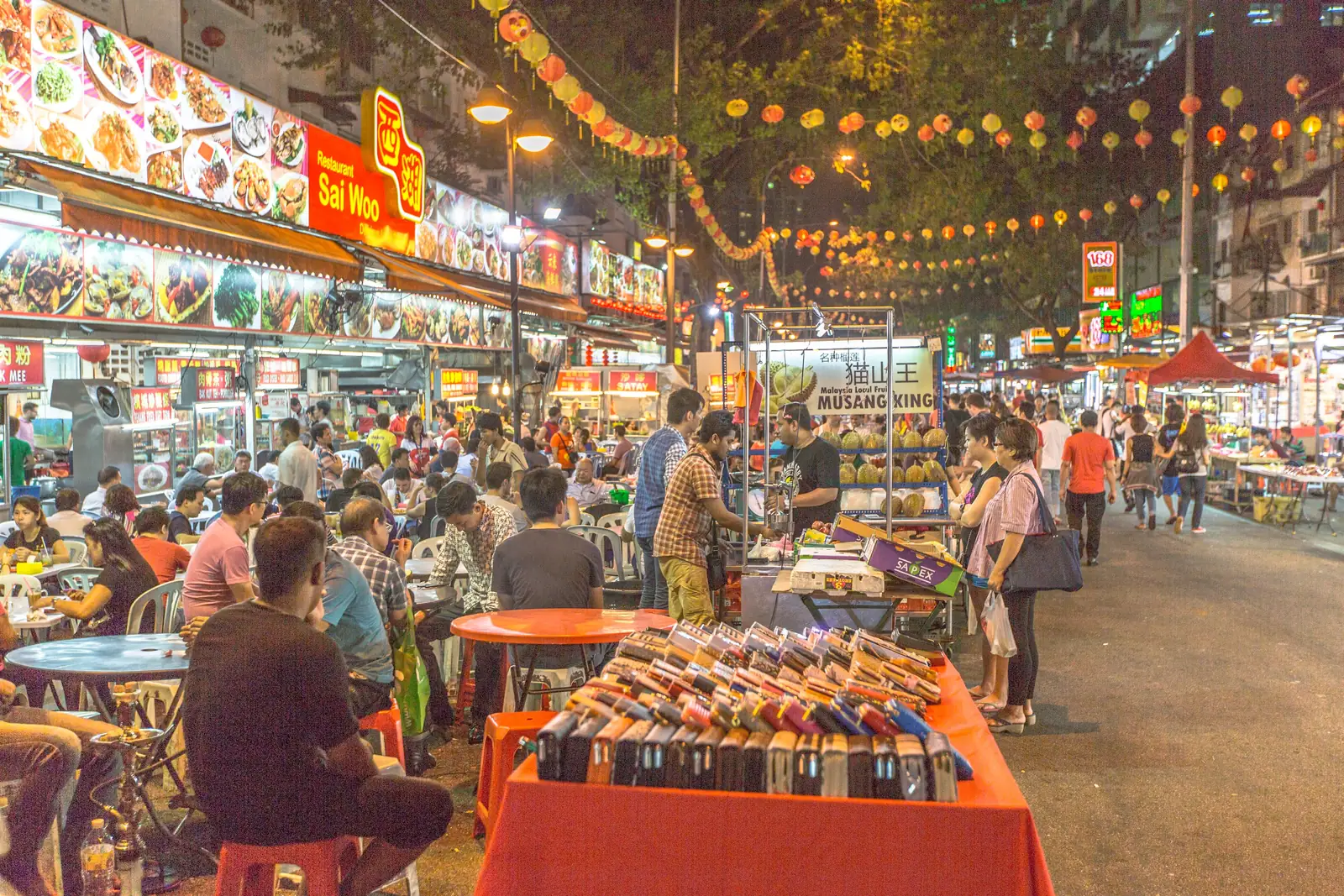
Then there's the other kind of meal. A Chinese-Malaysian dai chow dinner — steamed fish, a claypot, a plate of greens, soup, from a menu that runs to a hundred dishes — comes in portions meant to be reached across. Satay is sold by the dozen. On Jalan Alor a group works its way down the street; a solo diner orders the wings and watches the fish go past to someone else's table.
Alcohol is heavily taxed — a pint on Changkat is RM25–40, a big bottle of Tiger at a Chinese kopitiam RM15–25 — which is why the city's social life runs on tea, and why a mamak at midnight is full of sober people arguing about football (mamaks don't serve alcohol at all). Which is the argument for the whole next section: the daytime meals look after themselves, and dinner is the one worth finding company for.
How to meet people in Kuala Lumpur
KL people aren't cold, they just don't open first: warm once a conversation starts, polite and closed until it does. Add a city that sprawls and a population that drives, and you won't bump into anyone by wandering. You have to walk into the right room. These are the rooms.
Sleep in Chinatown or Bukit Bintang. The two areas whose hostels have somewhere to sit — a courtyard, a rooftop, a bar. Chinatown's are calmer and the conversations happen over breakfast; Bukit Bintang's happen over a drink on Changkat. You don't have to sleep in a dorm to use the courtyard: most of these places have private rooms, and the room is the least important part of the building.
Learn the mamak rule. During a big match — with the time difference, a Premier League game kicks off at 3am here and the mamaks fill for it — the tables are shared and the shouting is communal. Sit at the big table, not the empty one. Ask who they're supporting. The mamak is the one place in the city where a stranger sitting down is normal, which is why KL's whole social life runs through it.
Pay for a morning with strangers, early in the trip. The cooking class above; a food tour of Jalan Alor or Chinatown (RM200–350, six or so people at one long table); a walking tour of the old city. What you're paying for isn't the recipe. It's three hours in a small group, and the teh tarik afterwards that someone always suggests.
Climb, or run, with the locals. The easiest rooms in KL to start talking in are its climbing gyms — Camp5 has a branch in Sungei Wang Plaza in Bukit Bintang, and there are bouldering-only gyms in Bangsar and PJ — where a day pass is around RM40–60 and nobody works a problem alone for long. The hills are the other one: Taman Tugu at 7am and the Bukit Kiara trails above TTDI have the same faces every morning, and this is the city that invented the Hash House Harriers in 1938. The original Mother Hash still runs on Monday evenings (men only, RM50 for a guest); the mixed chapters meet weekly and are used to visitors, and a hash is ninety minutes of trail followed by two hours of beer with people who've decided you're one of them.
Sit where the seats touch. Bangsar's Telawi streets on a Friday. Changkat on a Saturday, with the caveats above. REXKL in Chinatown on an event night. The laptop cafés in Bangsar and TTDI, where half the room landed from Bali last week and would like a dinner plan. A Ramadan bazaar at 7pm, when a few hundred people are all waiting for the same minute.
If you speak Chinese, use it. This is the one city where it's a superpower: "老板,这个怎么吃?" at a kopitiam gets you a conversation English doesn't, and KL Chinese, who usually run three languages, enjoy being asked. Cantonese works as well as Mandarin, often better.
A few customs. "Sudah makan?" ("have you eaten?") is a greeting, but an invitation to a mamak is a real one; take it. Don't order beer at a table with Malay friends unless they've said it's fine. Pass things with your right hand. Malaysians will ask within five minutes what you've eaten; have an answer ready.
When someone says a street and a time, go. The person on the next bunk says "Jalan Alor at eight": go, even if you'd sketched a different evening. Vague plans evaporate on the road; a named street and a time is the only kind that survives. The long version of this is how to meet people in a new city when you know nobody.
Be the one who names a time. Hostel courtyards are full of people who'd say yes to a plan and won't propose one. "Mamak for the match, 2:45am, lobby" sounds absurd anywhere else; in KL it's a normal Tuesday, and it will fill.
And the app we built for exactly this. MeetMap is a map of small plans happening soon near you: a coffee at eight, a Batu Caves train at seven, a table on Jalan Alor with three seats left. Each pin shows the time, the place and how many seats remain; you take a seat and you're in the group chat. It's free to look, it's not a dating app, and it exists because every solo traveller has stood in a hostel lobby at 7pm hoping someone would say something. If the map is quiet in KL when you open it, post the first plan — "Jalan Alor, 8pm, four seats" — and see who turns up. The shorter, KL-only version is here.
What Kuala Lumpur costs per day
Ballpark figures for one person, in ringgit; the table assumes a Grab or two and one paid thing a day.
| Budget | Mid-range | Comfortable | |
|---|---|---|---|
| Bed | 45 (dorm) | 220 (hotel) | 450+ |
| Food | 40 (mamak, hawkers) | 100 (mix) | 250+ |
| Transport | 10 (trains) | 40 (Grab) | 80 |
| One activity | 20 (museum, train to the caves) | 100 (towers, class) | 200 |
| Day | ~RM120–160 | ~RM450 | RM1,000+ |
You'll want cash for mamaks, hawker stalls, markets and the caves; everything else is cards or DuitNow QR — the national QR code on every stall's laminated sign, which Alipay and WeChat Pay also scan. Withdraw RM500 or so at a time from a machine inside a bank branch. Nobody tips; restaurants add 10% service.
A three-day Kuala Lumpur plan for one
Day 1 — Chinatown and the old city. Kopitiam breakfast on Petaling Street at eight. Kwai Chai Hong, the two temples, Central Market. Merdeka Square and Masjid Jamek before eleven. Islamic Arts Museum through the heat. Late banana-leaf lunch in Brickfields. Jalan Alor at eight, with whoever you've met. Mamak on the way home.
Day 2 — Caves, towers, village. KTM to Batu Caves at seven, back by ten. KLCC Park loop, then the Skybridge slot you booked (or KL Tower instead). Mall food court and two hours of air-conditioning. Kampung Baru for nasi lemak and the towers at dusk. Dinner on the map, or one drink on Changkat.
Day 3 — Uphill, then Bangsar. Taman Tugu at seven, or the cooking class. Chow Kit market on the way back if it's before ten (Monorail; bag close). Afternoon in Bangsar: brunch, the climbing gym, or nothing much. Dinner with the day-one people, or put a pin on the map and let it fill.
If there's a fourth day — Melaka by bus, or Bukit Gasing at dawn and a long lunch in TTDI.
FAQ
Is Kuala Lumpur safe for solo female travellers?
Yes. Violent crime against visitors is rare, street harassment is less common than in most European cities, and the trains have women-only coaches. Manage the two real things: motorbike bag-snatching (bag away from the road) and late nights on Changkat (Grab back).
How many days do you need in Kuala Lumpur?
Three full days: caves, towers, Chinatown, one hike or museum, an evening in a real neighbourhood. A fourth for Melaka. More than five and you should be in Penang instead.
Is Kuala Lumpur expensive?
No. A dorm bed, hawker food and trains come to RM120–160 a day; a mid-range hotel, Grab and one paid attraction around RM450. Alcohol is the one thing that's genuinely dear.
Do I need cash in Kuala Lumpur?
Some. Mamaks, hawker stalls and markets want it. Malls, hotels and restaurants take cards, and DuitNow QR covers almost everything else, including Alipay and WeChat Pay. A few hundred ringgit lasts days.
Is it easy to meet people in Kuala Lumpur?
Yes, if you put yourself in the specific places where it happens: a hostel with a courtyard, a cooking class on day one, a climbing gym, a hill at dawn, a mamak during a match. Not if your trip is a KLCC hotel room and mall food courts.
What should I avoid in Kuala Lumpur?
Don't hold on to a snatched bag. Don't go home with anyone whose cousin is moving to your country. Don't argue with a street taxi about the meter; open Grab. Don't carry anything for anyone through the airport. Don't step off the pavement without looking into the drain. Don't wear shorts to a mosque.
Before you go
The practical side of KL alone is easy. The trap is that the city won't come and get you, and a week can slide by in air-conditioned rooms without a single conversation. So: the class on day one, a bed near a courtyard, the steps at seven, the big table when the match kicks off at three. Somewhere between the roti and the penalty, someone will ask who you support.
