Home›Blog›Tokyo solo travel guide: safety, where to stay, what to do, and how to meet people (2026)
Tokyo solo travel guide: safety, where to stay, what to do, and how to meet people (2026)
Start with a bowl of ramen from a ticket machine. Feed in a thousand-yen note, press the picture, hand the slip across the counter, and eight minutes later there's a bowl in front of you and nobody has asked you a single question. The whole city works like that for a person on their own: counters everywhere, single seats, capsule beds, silent trains, a convenience store on every corner at 3am. You could go a week here without anyone needing a word from you.
That's also the problem. Nothing here will ever push you towards other people. You can do a week of temples and counters and trains and realise on the flight home that your longest conversation was with a hotel receptionist. (I've done it. It took a second trip to fix.)
The other thing that shapes every solo day is the clock. Last trains leave around half past midnight, first trains run from half past four, and a taxi across the city in between costs about what a hotel night does. So every evening plan here has one of two shapes: it ends by eleven, or it goes until dawn. People say which they mean when they suggest something, and you'll learn to say it too.
Every price below is in yen and was checked in September 2026. It has been a two-year run of increases — trains in March, taxis in April, the baths in August, hotels all the way through — so if a number looks stale by the time you read this, it has gone up, not down.
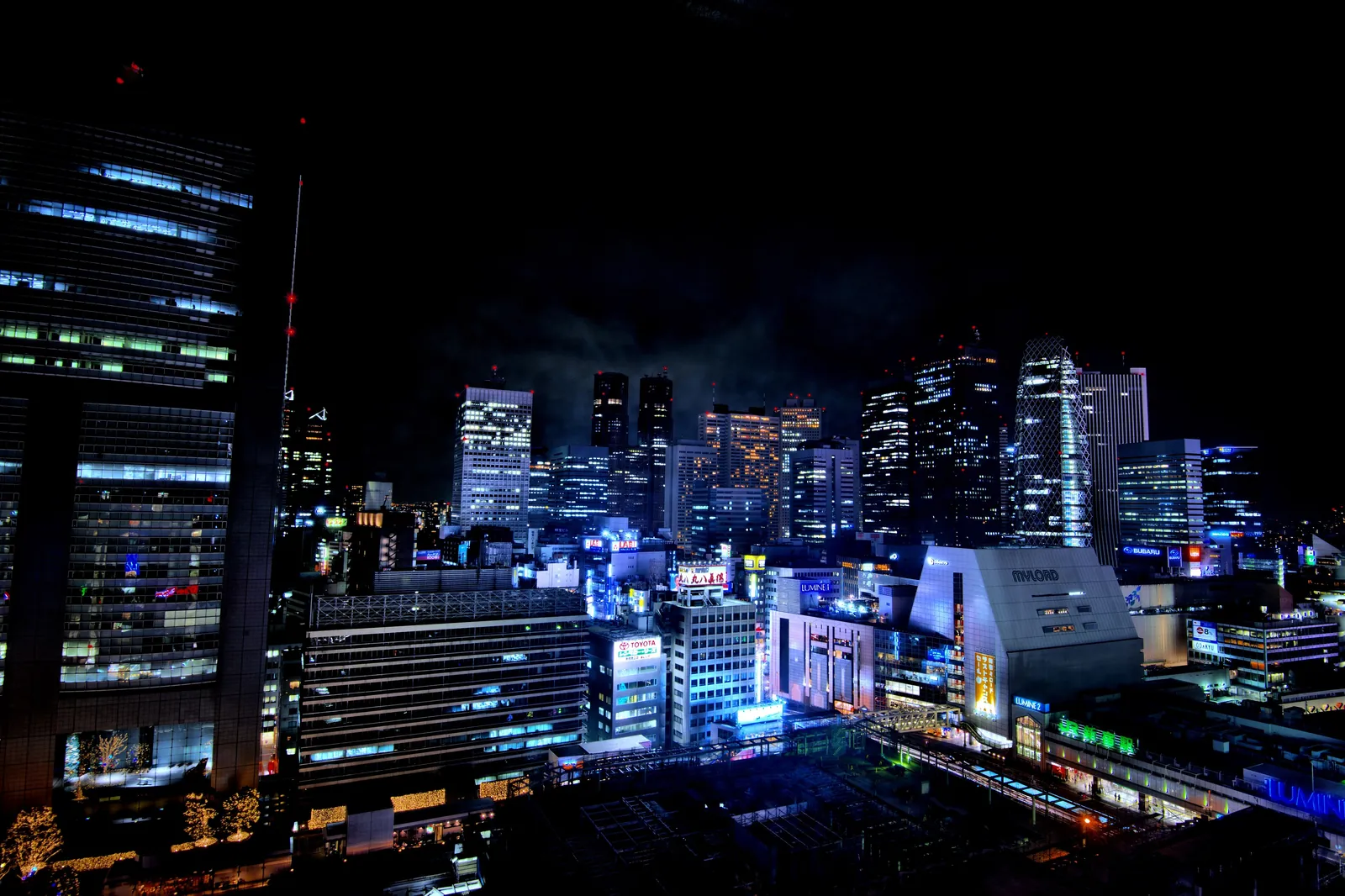
Tokyo solo travel at a glance
| Is it safe alone? | Yes, one of the safest big cities anywhere. The one real hazard is bar touts in Kabukicho, Roppongi, Shibuya and Ikebukuro. |
| How many days | 4 full days for the city; 5–6 with Mount Takao or Kamakura |
| Best months | Late October to early December, or April to May (skip Golden Week, 29 April–6 May in 2026) |
| Daily budget | ¥8,000–12,000 on a hostel-and-ticket-machine budget; ¥20,000–25,000 mid-range; ¥40,000+ comfortable |
| Getting around | Suica on your phone, the JR Yamanote loop, Tokyo Metro. Taxis via the GO app only after the trains stop. |
| Where to sleep | Asakusa or Kuramae for hostels and company, Shinjuku for late nights, Ueno for the airport link, Shimokitazawa or Kichijoji to feel like you live here |
| Language | Less English than you'd expect. Google Translate's camera mode and pointing get you through. |
| Payment | Cards and Suica almost everywhere; carry ¥10,000 in cash for small izakaya, shrines and the odd ticket machine |
| Apps | Suica in your phone wallet, GO for taxis, LINE for whoever you meet. And MeetMap, for finding company at dinner (there's a section on it). |
Is Tokyo safe for solo travellers?
Yes. The evidence is everywhere once you start noticing it: people asleep on trains with their phone in their open palm, laptops holding café tables while their owners are in the toilet, a wallet handed in at the police box before its owner has noticed it's gone. The embassy pages barely bother with violent crime. What they've been shouting about since 2025 is a single scam, and it earns most of this section.
Rip-off bars and spiked drinks. In Kabukicho (Shinjuku), Roppongi, and increasingly Shibuya and Ikebukuro, men on the street approach you in English: "no cover charge", "cheap drinks", "girls bar, very friendly". The bar they take you to is the scam. In the mild version the bill has an extra zero. In the version that made the UK Foreign Office issue an alert naming those four districts, the drinks are spiked, you wake with a gap in your memory, and your card has been charged a dozen times — sometimes with your phone unlocked against your face while you were out. The rule is absolute: nobody who approaches you on a Tokyo street at night is doing you a favour. Pick your own bar, and if the cover charge isn't on a sign at the door, ask before you sit.
The small dish you didn't order. At an izakaya a little plate arrives with your first drink. That's otōshi, the seat charge, usually ¥300–700, and it's not a scam; it's why the bar can let you sit for two hours over one beer.
Fake monks around Senso-ji and Shibuya crossing press a bead bracelet into your hand and then produce a donation book. Give the beads back and keep walking; a real monk doesn't chase.
The rest. Bicycles on the pavement are the thing most likely to actually hurt you. Small earthquakes are routine; install the Safety Tips app and don't worry. Summer heat is the realer risk — 35°C and 80% humidity from July to early September — so drink more than you think and do outdoor things before ten. And lost things come back here: leave a bag on a train and the nearest kōban (police box) will very likely have it by evening. The general rules are on our safety page.
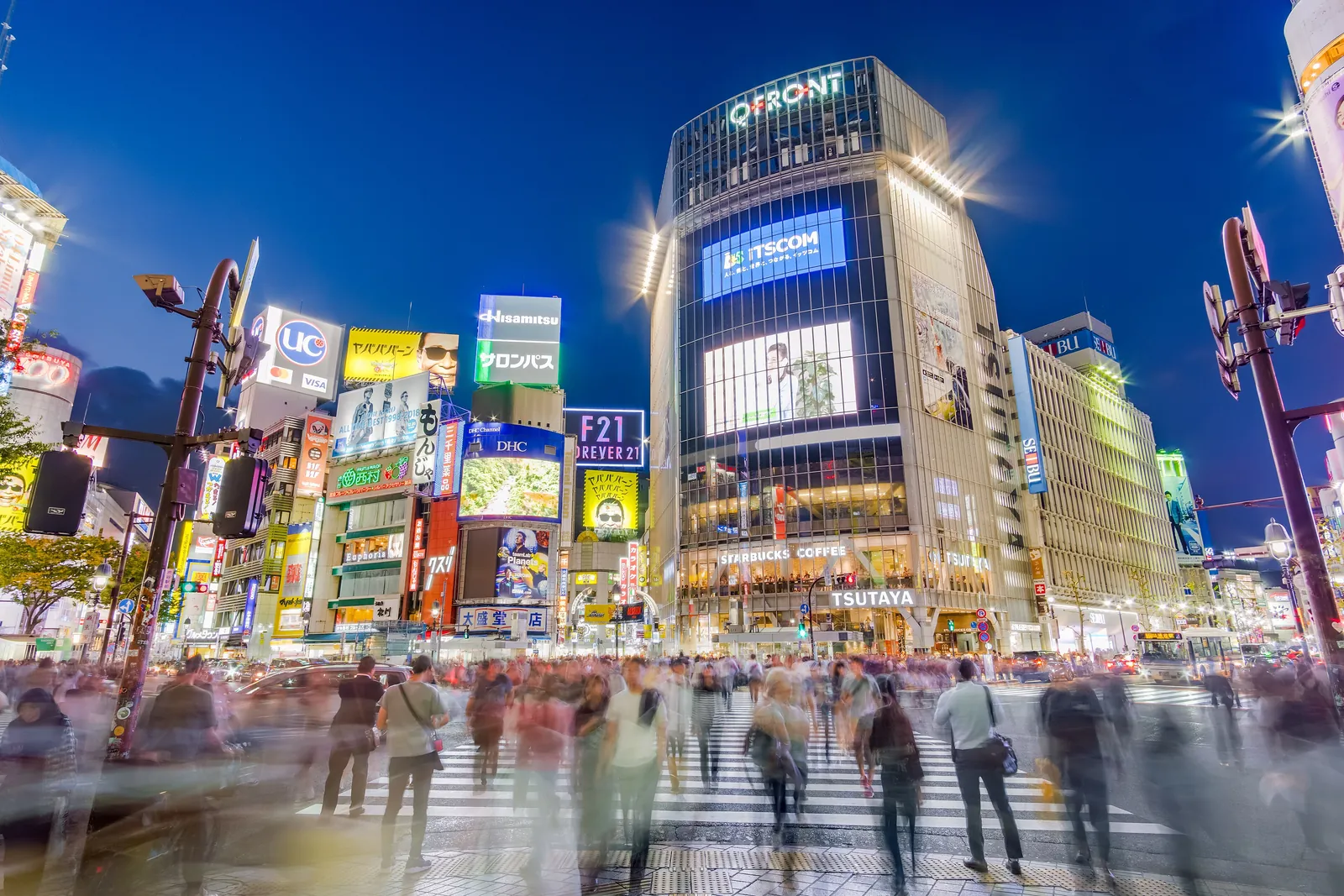
Is Tokyo safe for solo female travellers?
One of the best cities in the world for it. Groping on packed rush-hour trains is a real, documented problem, which is why many lines run women-only carriages in the morning peak — pink signs at one end of the platform. Hostels almost all have female-only dorms. Walking home at midnight through a residential street is normal here. The Kabukicho touts work on women too, with "host club" invitations; same answer. Keep your drink in your hand, and the GO app gets a taxi in three minutes if a night runs late.
When to go
Tokyo has four real seasons, and the wrong one costs you either your sleep or your patience.
- Late March to early April is cherry blossom: 12–17°C, extraordinary light along the Meguro River and the palace moat, every hotel booked months ahead at double the price. Worth it once; book by December.
- Golden Week, 29 April to 6 May in 2026, is when the whole country travels, and every train, hotel and viewpoint shows it.
- Mid-May is my favourite: 22°C, dry, long evenings, and the Sanja Matsuri in Asakusa on the third weekend (15–17 May in 2026), when a hundred portable shrines and a lot of drunk locals take over the streets around Senso-ji.
- June to mid-July is tsuyu, the rainy season: 25°C, grey, humid. Not a washout, not the trip you imagined.
- Late July to early September is 30–35°C and humid. Sumida River fireworks on the last Saturday of July (a million people), Obon in mid-August, the Koenji Awa Odori on the last weekend of August. August and September are peak typhoon months; one or two a year stop the trains for a day.
- October to early December is the season: 21°C in October, 16°C in November, dry and clear, autumn colour peaking late November, Fuji visible from tall buildings on a good morning.
- December to February is cold (8–11°C days, near zero at night) but dry and sharp, with the clearest Fuji views of the year. Avoid 29 December to 3 January, when most things close and Meiji Jingu gets three million New Year visitors.
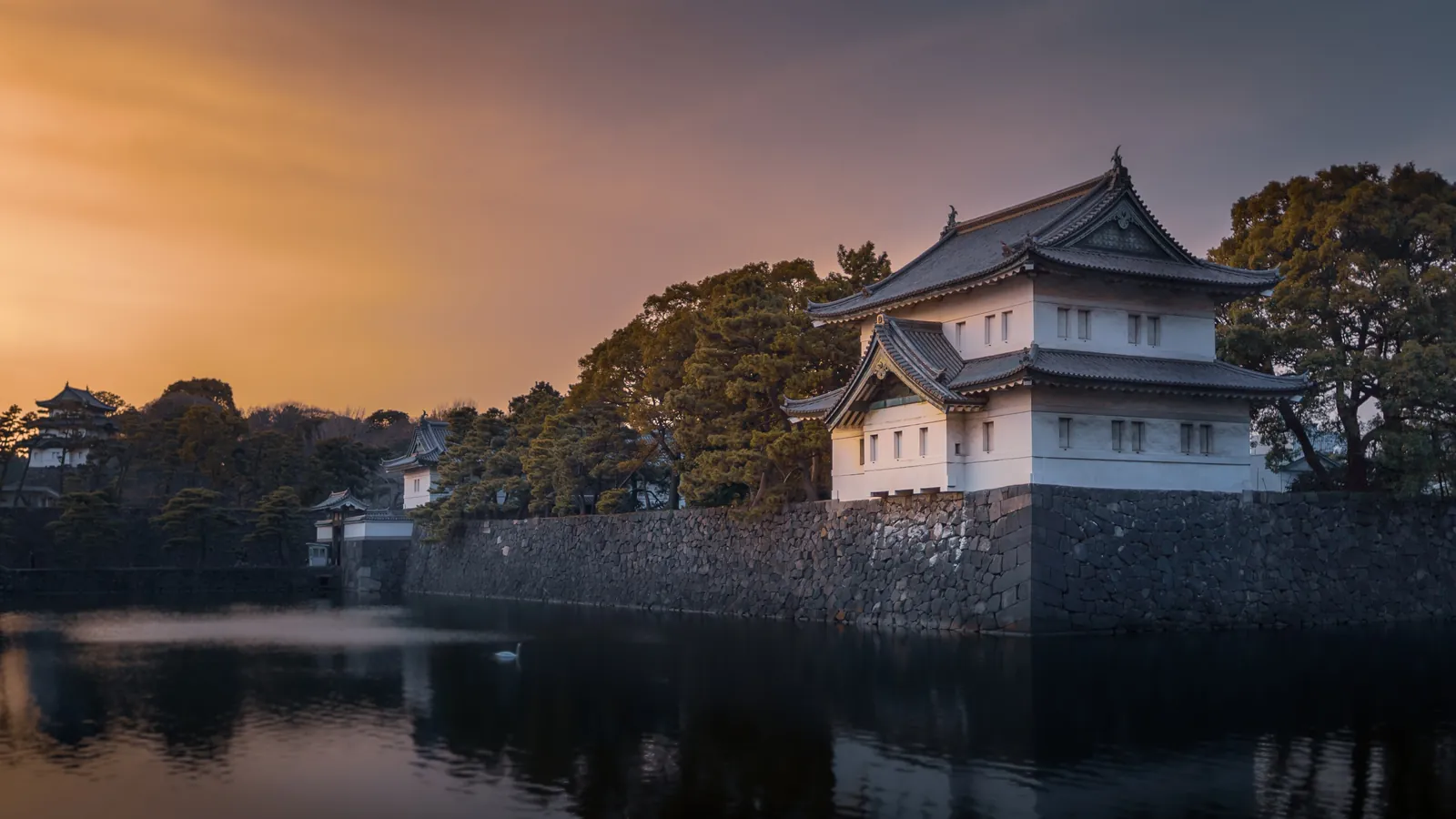
How long to stay
Four full days: the old east side (Asakusa, Ueno, Yanaka), the west-side crush (Shinjuku, Shibuya, Harajuku), one hip neighbourhood, one view, one market morning, a lot of counters. Five or six adds Mount Takao or Kamakura, and Tokyo rewards the longer stay — it's twenty villages in a trench coat, and days four and five are when one starts to feel like yours. Don't do Kyoto as a day trip; two and a half hours each way is a different holiday.
Where to stay in Tokyo on your own
Two things decide a Tokyo base, and neither is the hotel: how close the bed is to a Yamanote line station, and which side of the last-train question it's on. Pick the district for those and the room takes care of itself.
Asakusa and Kuramae is where I'd put a first-time solo traveller: older, lower, cheaper, calmer, with the best cluster of hostels in the city and the sort of kitchens where people are planning tomorrow at 9pm. Senso-ji at dawn is on your doorstep and the Ginza line gets you to Shibuya in 30 minutes. It goes to bed early, so a Shinjuku night means watching the clock.
Ueno is the practical choice: the Skyliner from Narita ends here, the loop runs through it, the museums are a walk away, and the Ameyoko stalls under the tracks are a good first cheap dinner.
Shinjuku is everything at once — the busiest station on earth, Kabukicho, Golden Gai, Shinjuku Gyoen — and where I'd stay if late nights are the point, because you're never more than a walk from bed. Pricier, louder, touts every evening.
Shibuya is younger and dearer; Ikebukuro is the value option on the loop, big and unlovely with cheap business hotels; Ebisu, Nakameguro and Daikanyama are for a second trip or a grown-up budget.
Shimokitazawa and Kichijoji are where you'd live if you lived here: second-hand shops, tiny bars, a park, 15–20 minutes by train from Shinjuku or Shibuya, and the neighbourhoods where a bar remembers you on your second night.
Prices, roughly: hostel dorms ¥3,000–5,000, capsule hotels ¥3,000–7,000, a private room in a hostel or a budget business hotel ¥8,000–15,000, a decent mid-range hotel ¥20,000–30,000 and rising faster than anything else on this page. Book two or three months ahead for blossom season, autumn and any weekend.
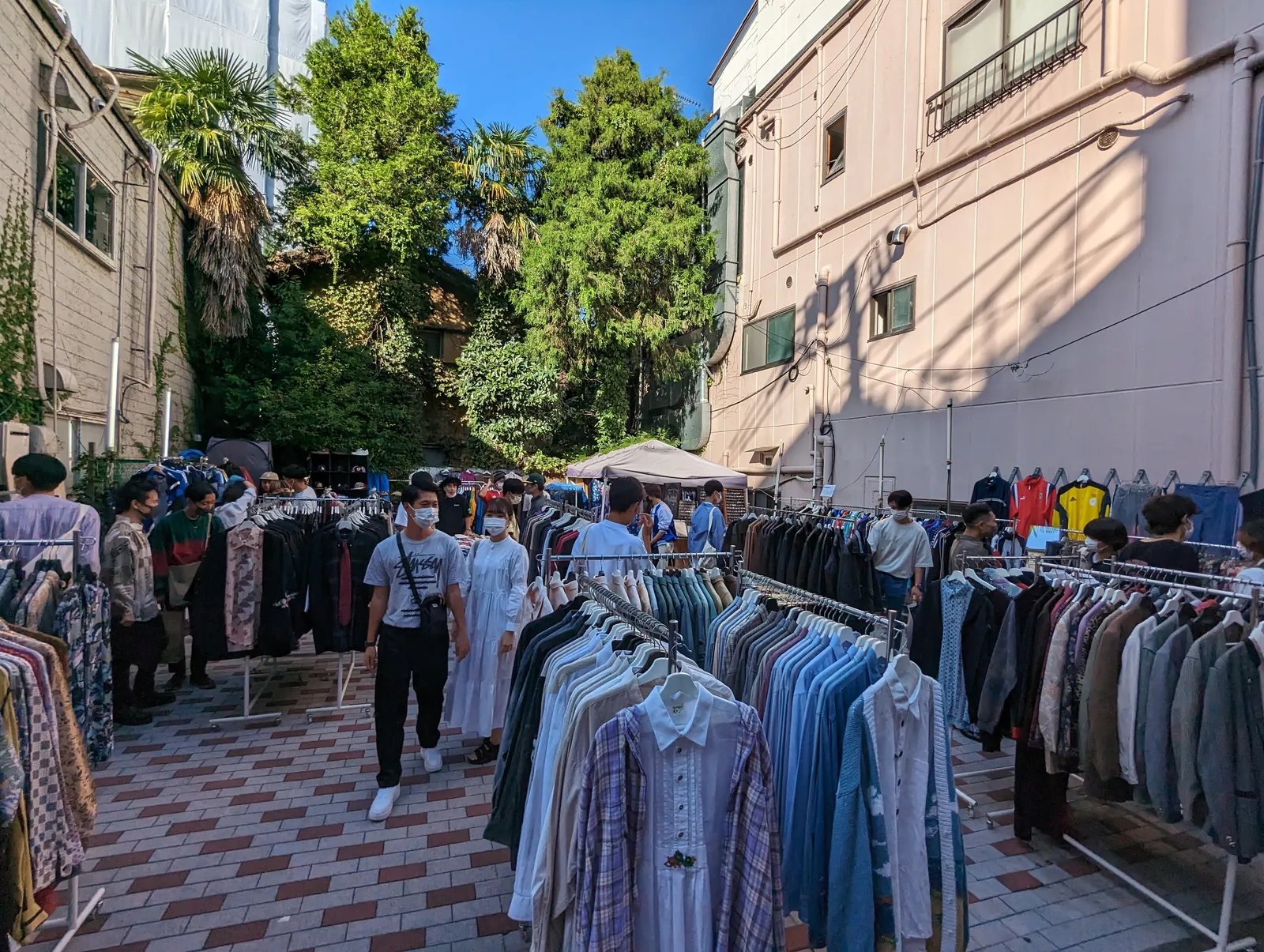
Getting around
Get Suica on your phone before you land: Apple Wallet on any iPhone, Google Pay on Android, or a physical Welcome Suica at the airport (no deposit, valid 28 days). Top up with a card, tap through every gate and bus, pay at konbini with it.
From Narita (NRT): 60km out, so it's time versus money. The Keisei Skyliner reaches Ueno in about 41 minutes for ¥2,580 at the station, or ¥2,310 if you buy the tourist e-ticket online before you fly. The Narita Express reaches Tokyo Station in an hour and Shinjuku in 80–90 minutes; since the March 2026 fare rise it's about ¥3,140 to Tokyo Station and a little over ¥3,300 to Shinjuku. The Keisei Access Express is the local hero: around ¥1,300–1,400, no reservation, and it runs straight onto the Asakusa subway line, so if you're sleeping in Asakusa it drops you at the door in about 75 minutes. The TYO-NRT bus to Tokyo Station is ¥1,500 and 65–90 minutes; the Limousine Bus to hotels is ¥3,100–3,600. A taxi is ¥25,000–30,000.
From Haneda (HND): the Keikyu line reaches Shinagawa in about 15 minutes for around ¥330 and continues onto the Asakusa line; the Monorail reaches Hamamatsucho on the loop in 13–20 minutes for around ¥520. The Limousine Bus to Shinjuku is ¥1,300–1,400 and 35–55 minutes. Flat-rate taxis to the central wards run ¥7,600–9,100 plus tolls (Chiyoda cheapest, Shinjuku and Asakusa at the top), about a fifth more at night — worth it only after the trains stop.
Trains. The JR Yamanote loop is the spine of the city. JR East raised fares on 14 March 2026, its first real increase since 1987, and Tokyo got the sharpest end of it: the base fare is now ¥160 (a few yen less by Suica), Tokyo to Shinjuku ¥260, and a cross-city hop ¥200–300. Tokyo Metro and Toei subway (base fare ¥180) reach everything the loop doesn't. If you'll take more than four subway rides in a day, the tourist-only Tokyo Subway Ticket is ¥1,000 for 24 hours, ¥1,500 for 48, ¥2,000 for 72 (not JR); buy it at the airport.
Taxis and GO. Since April 2026 the meter starts at ¥500 for the first kilometre and adds ¥100 every 230-odd metres, plus 20% between 10pm and 5am; Shibuya to Shinjuku late is ¥2,000–2,500. GO is the app: English, in-app payment, a taxi in minutes. Uber sends the same taxis at the same price.
The last-train problem. Last trains on the loop and the metro leave between about 00:10 and 00:30 depending on station and direction; first trains are around 04:30–05:00. Miss it and it's a taxi, a capsule hotel (¥3,000–6,000), an internet café booth (¥1,500–3,000 for the night) or karaoke until dawn. Check your specific last train in Google Maps at about ten.
Avoid: rush hour, 7:30–9:00, on the Chuo, Tozai and Saikyo lines; the JR Pass if you're only doing Tokyo; and any taxi the trains could do.
Things to do alone in Tokyo
Thirteen of them, each with what it costs and which line gets you there. The order is mine; the first one only works at dawn.
1. Senso-ji at six in the morning
Main hall 6:00 (6:30 October–March), grounds always open, free. At 6am the Nakamise street is shuttered, the incense is lit, and it's you, a few locals and the pigeons. At 11am it's eighty thousand people. Asakusa station, Ginza or Asakusa line. Get the paper fortune (¥100); if it's bad, tie it to the rack like everyone else.
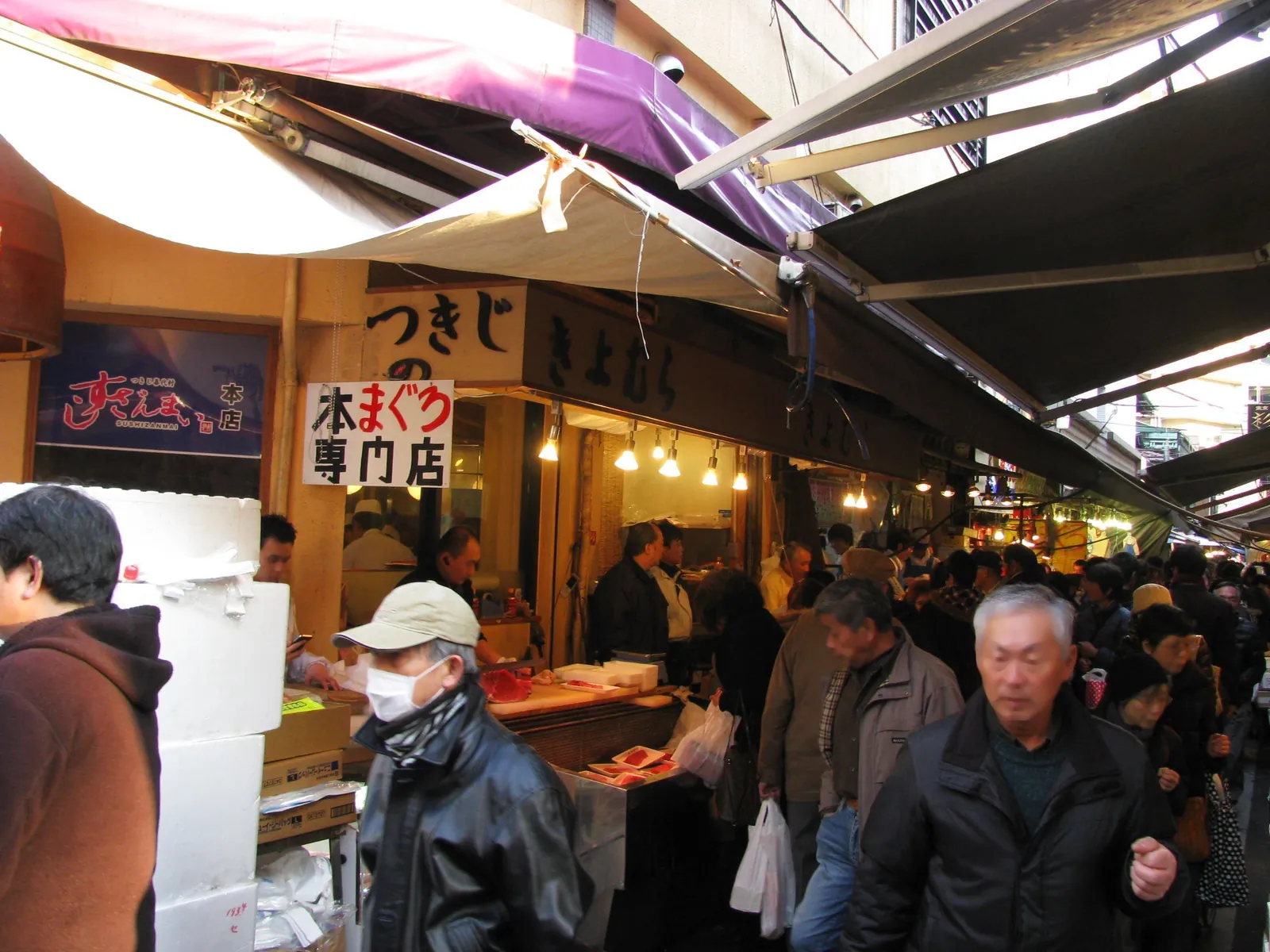
2. Tsukiji Outer Market for breakfast
The wholesale market moved to Toyosu in 2018 but the outer market stayed, and it's the best solo breakfast in the city: tamagoyaki on a stick (around ¥200), a tuna bowl (¥2,000–3,500), grilled scallops. Roughly 5:00–14:00, closed Sundays and some Wednesdays. Go at eight, before the tour groups. Tsukiji station, Hibiya line.
3. Meiji Jingu, Yoyogi Park, then Harajuku
Free, sunrise to sunset, a genuine forest in the middle of the city; the walk from the torii to the shrine is ten minutes under trees. Then Yoyogi Park next door — on a Sunday afternoon it's Tokyo's living room, rockabilly dancers, drum circles, a lot of people on their own — then Takeshita Street because you're there. Harajuku station, Yamanote line.
4. Run or walk the Imperial Palace loop
Five kilometres around the moat, no traffic lights, anticlockwise by convention, runners on it from six in the morning and again after work. Free, and the best thing to do alone in Tokyo that also puts you beside the same locals every day. The East Gardens inside are free too (closed Mondays and Fridays). Start at Tokyo station or Sakuradamon.
5. One view: Shibuya Sky, or the free one
Shibuya Sky is the open rooftop over the crossing: ¥2,700 online before 3pm, ¥3,400 after, sunset slots gone days ahead. It's good. But the Tokyo Metropolitan Government Building in Shinjuku has two free 45th-floor decks — the south one is open 9:30–22:00 — with Fuji on the horizon on a clear day, and nobody books it. The Skytree (from about ¥1,800 for the 350m deck booked ahead, from ¥3,000 for both decks, a few hundred more at weekends or on the day) is the tallest and the furthest from anything.
6. teamLab Borderless or Planets
The most photographed thing in Tokyo and, for once, the hype is about right. Borderless is in Azabudai Hills, Planets in Toyosu; adult tickets at either float between ¥3,600 and ¥5,600 with the date, and you must book online a week or two ahead. Go alone — ninety minutes wandering through light in the dark is better solo than in a group.
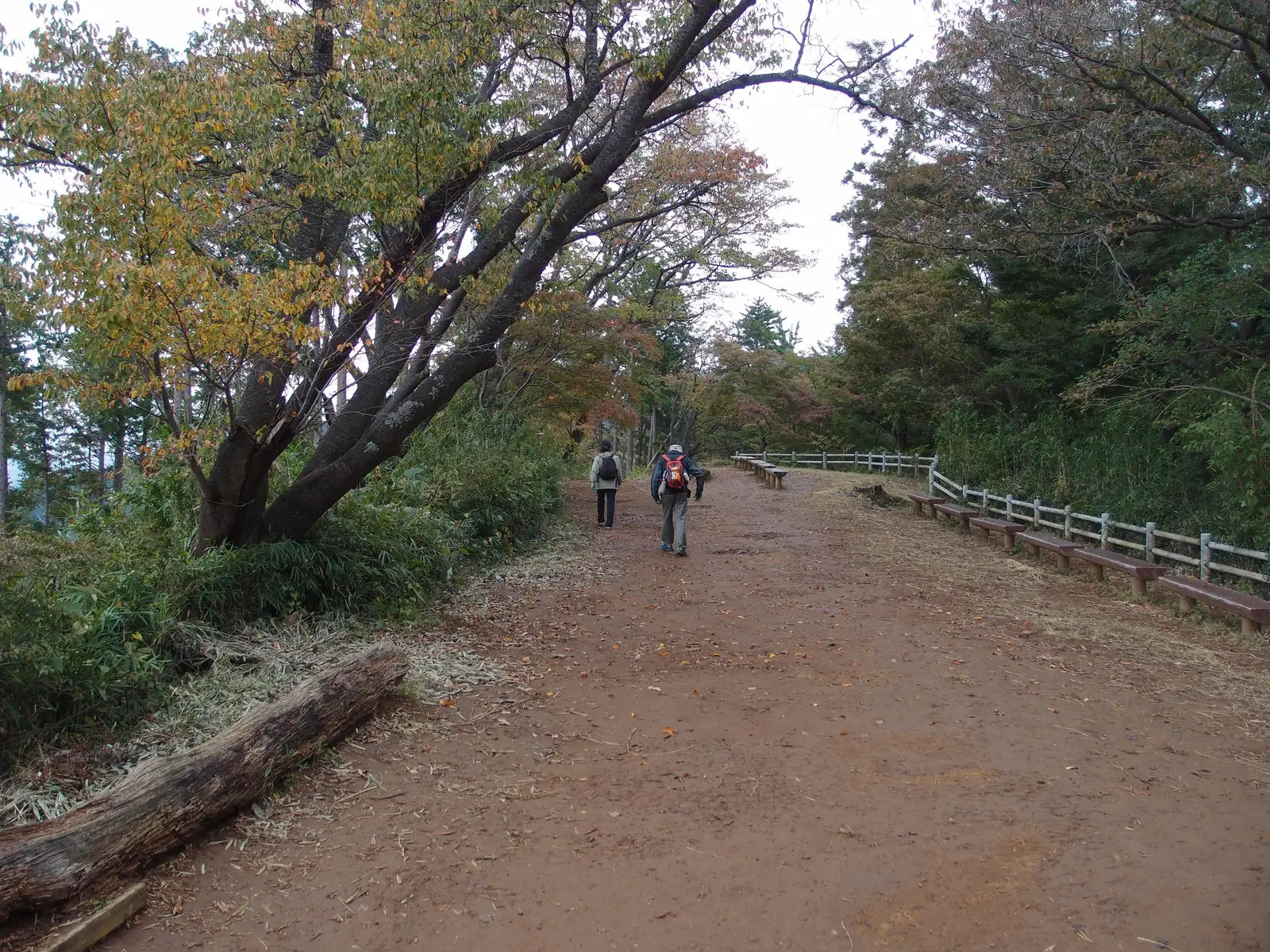
7. Mount Takao
The classic half day. Keio line from Shinjuku to Takaosanguchi, about 50 minutes and around ¥430; cable car ¥490 one way, or walk trail 1 (paved, 90 minutes). A temple near the top, monkeys, tororo soba at the bottom (around ¥1,200), and on a clear winter day, Fuji. Weekdays in autumn are perfect. It's also the hike Tokyo does in groups, and that comes back in the meeting-people section.
8. A sentō
A neighbourhood public bath: ¥600 for adults across Tokyo since August 2026, towel about ¥100. Shoes in the locker, pay, undress completely, wash sitting down at the taps, then soak in water hotter than seems reasonable. Kosugiyu in Koenji and Kogane-yu in Sumida have made peace with foreigners and small tattoos, and both sell a cold beer from the fridge by the door, which is half the reason to go.
9. Shimokitazawa, then Kichijoji
Two neighbourhoods, one afternoon. Shimokitazawa (10 minutes from Shinjuku or Shibuya) is second-hand clothes, record shops, curry and tiny theatres. Then the Inokashira line to Kichijoji: Harmonica Yokocho's alley bars and Inokashira Park with its swan boats. The Ghibli Museum is on the park's far edge (¥1,000; tickets released online at 10:00 Japan time on the 10th of the month before, gone in minutes).
10. Yanaka and Nezu
The old side that survived the war and the developers. Walk from Nippori station down Yanaka Ginza (croquettes, cats, ¥100 snacks), through the temple lanes, to Nezu Shrine and its tunnel of red torii. Free, flat, an easy three hours.
11. Sumo, in January, May or September
The Tokyo tournaments run fifteen days at Ryogoku Kokugikan; the September 2026 basho is 13–27 September. Chair seats are ¥3,500–8,500 at face value and sell out — this September's went within weeks of release, with no same-day tickets at all — so it's the official Ticket Oosumo resale or a licensed agency, and for a future basho, the release date on that site. Outside tournament months, a morning-practice visit at a stable (¥10,000–15,000) puts you in a small group at 7am. Ryogoku station, Sobu line.
12. A cooking class
The item that puts you in a room with other people. Sushi-making classes in Asakusa run ¥9,000–13,500 for ninety minutes to two hours, capped at four to eight people, and you eat what you made together. Do it early rather than late: a class on day two gives the people in it five more evenings to be useful to you.
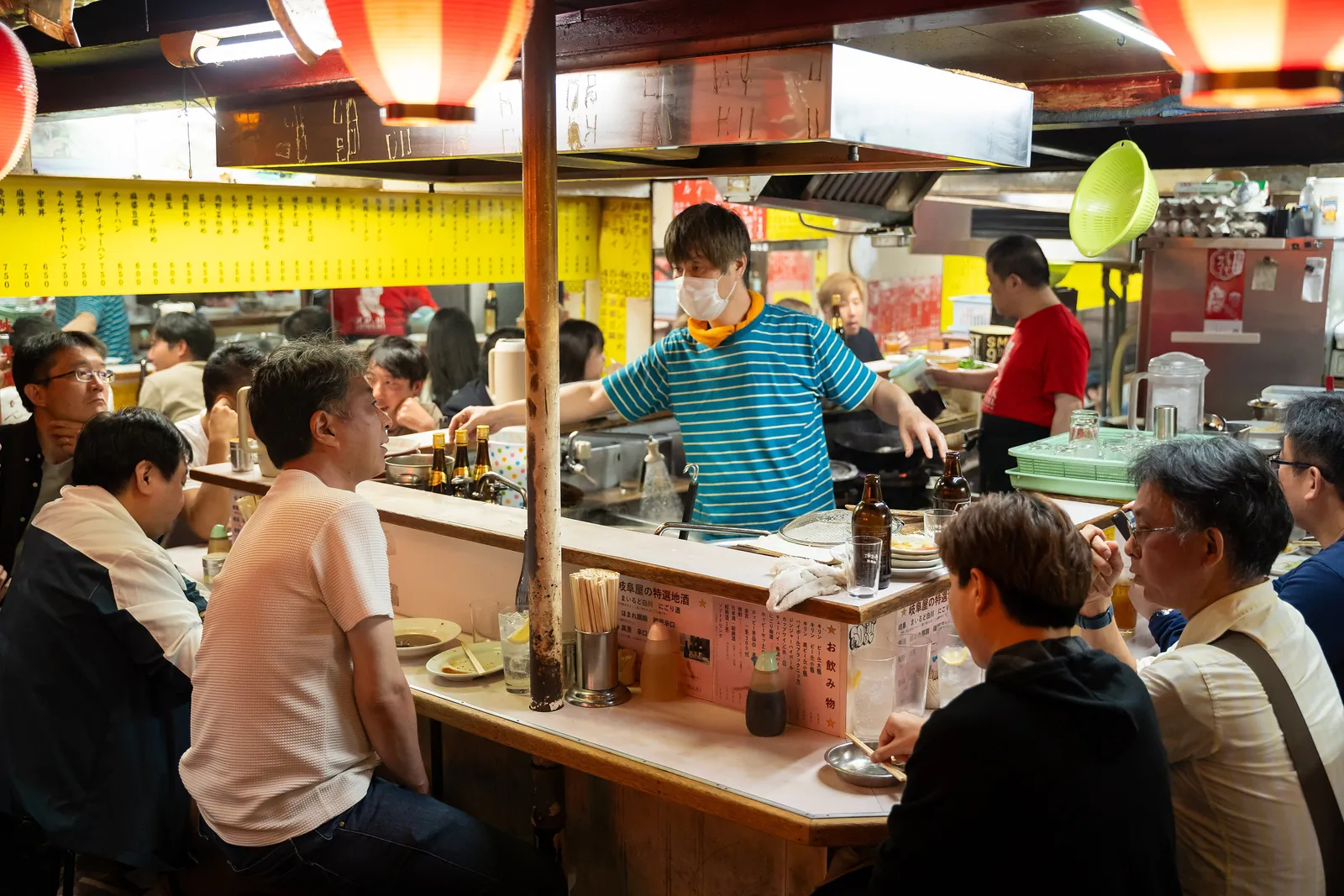
13. The counters: Omoide Yokocho, Golden Gai, Yurakucho
Not a sight, a habit. Omoide Yokocho by Shinjuku station's west exit is yakitori smoke and sixty tiny grills; Golden Gai, five minutes east, is two hundred bars with six seats each (an English sign at the door means visitors are welcome; cover ¥500–1,500); the arches under the tracks at Yurakucho are where salarymen drink on beer crates. ¥2,000–3,000 a bar. One bar a night, at the counter, is the best thing you can do for your week; the next two sections explain why.
Eating alone in Tokyo
The easiest city on earth for it. The ticket-machine ramen shop is the model: pay first, sit at the counter, eat, leave, no eye contact required. A good bowl is now ¥1,000–1,300 (the "thousand-yen wall" fell during the last two years of price rises). Standing soba by a station is ¥400–600 and takes four minutes. Gyudon chains are ¥500–700 and open all night. Conveyor-belt sushi is ¥120–300 a plate and built for one. Konbini food is genuinely good, and the department store basements at Isetan or Tokyu sell beautiful boxed dinners at 30% off after 7pm, to eat in a park.
What needs a table is the food you'll want by day three: an izakaya spread of eight small plates, nabe hotpot in winter, monjayaki in Tsukishima where the whole point is four people around a griddle, yakiniku unless you find a solo-grill chain. Order any of those alone and you'll spend the meal doing arithmetic about what you can finish.
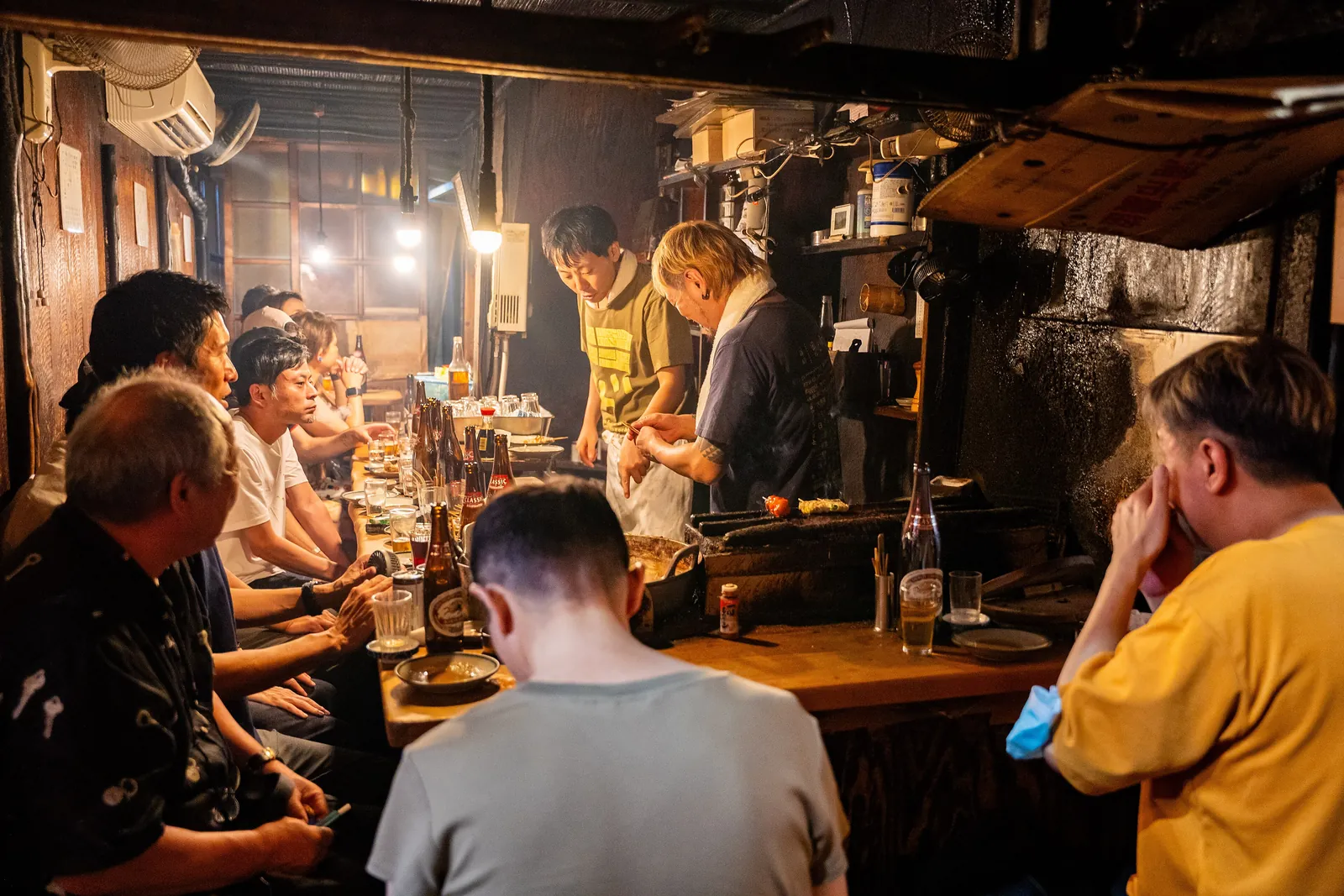
Two rules of the counter. At an izakaya you order in rounds — a drink, two or three plates, more later — and the otōshi arrives uninvited. And the counter is where the cook is, and the cook is the one person in the room whose job includes talking to you. Regulars sit at the counter, and regulars talk to whoever the cook is talking to, which, if you've taken the stool at the end, is you.
How to meet people in Tokyo
Tokyo is harder than Bangkok for this, for three reasons that aren't anyone's fault: the city doesn't need you to talk, most locals won't start a conversation with a stranger in public, and everyone is watching the clock. It's also full of people who would very much like to have dinner with someone. Both are true; what follows is how to make the second one win.
Start at the counter, because that's where Tokyo starts. Japanese social life happens over drinks in a way it doesn't on the street. The same person who wouldn't meet your eye on the Yamanote line will talk to you for an hour at a six-seat bar, and the second beer is where it begins. So sit where the elbows touch: the yakitori counters of Omoide Yokocho, the bars of Golden Gai, Nonbei Yokocho beside Shibuya station, Ebisu Yokocho, the arches at Yurakucho, and the standing bars — tachinomi — where there are no seats at all and you're already shoulder to shoulder. Order, say "kanpai" to whoever is next to you, ask what they're drinking. The small bars of Shimokitazawa, Koenji and Sangenjaya are built for a second visit; go back on night two and you are, by the standards of the place, a regular, and the mama will introduce you to whoever comes in.
Turn up to a timetable. Tokyo's regulars keep schedules, and a schedule is something you can join without being invited. Namban Rengo, the city's international running club, meets every Wednesday at 19:30 at Oda Field beside Yoyogi Park, free, and anyone can run with them (Oda Field is shut for works until the end of November 2026, so check their Instagram for that week's track — usually Wadabori). The palace loop at 7am has the same faces every day. Climbing gyms (B-Pump in Ogikubo is the famous one) are full of foreigners and locals who talk between routes. Meetup hiking groups do Takao most weekends, and a group that walks up together eats soba together at the bottom.
Give the first two days something with a start time. A sushi class in Asakusa, a sumo morning practice, a Tsukiji food tour, a sake tasting. Two hours rolling rice beside the same five people skips the small-talk stage entirely, and every class I've done here has ended with somebody proposing a drink; the only wrong answer is no.
The hostel kitchen, at nine. The clusters in Asakusa, Kuramae and Ueno, and a few in Shinjuku, are still where most solo travellers' plans get made — but later and more quietly than in Southeast Asia. Tokyo hostels plan rather than party: nothing happens at seven, and by nine someone at the kitchen table has the Keio timetable open and is working out Takao, and "can I come?" is a complete sentence. Most of these places rent private rooms too, at business-hotel prices, and the kitchen is the same kitchen whichever door you came out of.
Language exchanges, with a caveat. There are English-Japanese exchange nights in Shibuya and Shinjuku most weeks, and they're fine. They have the sixty-people problem from the first post on this blog: two hours of talking to no one in particular. Go once, find three people you like, and leave with them.
A Tokyo plan has three parts: a time, a station exit, and an end. This is the local grammar and it's worth learning on day one. "Tsukiji, eight, exit 1" is a plan; "we should hang out" is not, and nobody here will follow it up. The end matters as much as the start, because everyone is doing last-train arithmetic — "yakitori at seven, done by eleven" gets more takers than "yakitori at seven", and "Golden Gai until the first train" tells people exactly what they're signing up for. So when someone in the kitchen says "Tsukiji at eight tomorrow", take it over whatever you'd pencilled in. And when nobody has said anything by seven, say it yourself, in that grammar: "Omoide Yokocho, 7pm, west exit, done by eleven." It feels exposed the first time. It is also the most reliable sentence in this guide.
Two small customs. People swap LINE, not phone numbers, so install it before you land. And nobody touches their glass before the shared "kanpai", so wait for the last drink to reach the table.
And the app we built for exactly this. MeetMap is a map of small plans happening soon near you: a coffee at eight, a hike to Takao on Saturday, a table with one seat left tonight. Each pin shows the time, the place and how many seats remain; you take a seat and you're in the group chat. It's free to look, it's not a dating app, and it exists because every solo traveller has stood in a hostel kitchen at 7pm hoping someone would say something. If the map is quiet in Tokyo when you open it, post the first plan — "Yakitori under the tracks at Yurakucho, 7pm, three seats, done by eleven" — and see who turns up. There's a shorter piece on this city: how to meet people in Tokyo when you're travelling alone.
What Tokyo costs per day
What one day costs one person, in yen, at three speeds. Tokyo undercuts its reputation on food and transport and overshoots it on beds.
| Budget | Mid-range | Comfortable | |
|---|---|---|---|
| Bed | 4,000 (dorm/capsule) | 12,000 (business hotel) | 28,000+ |
| Food | 2,500 (ticket machines, konbini) | 5,000 (a counter dinner, one izakaya) | 10,000+ |
| Transport | 800 (Suica) | 1,200 | 3,000 (a taxi) |
| One activity | 600 (a sentō, a shrine) | 3,000 (a view, a museum) | 8,000 (a class, sumo) |
| Day | ~8,000 | ~21,000 | ~49,000+ |
Cards work almost everywhere now, Suica covers the rest, and 7-Eleven and post office ATMs take foreign cards for a small fee. Carry ¥10,000 or so anyway, for the small izakaya, the shrine box and the ramen machine that only eats notes. Two other money things changed this year: the departure tax went from ¥1,000 to ¥3,000 on 1 July 2026 (it's inside your air fare, nothing to pay at the airport), and from 1 November 2026 tax-free shopping switches to paying the tax at the till and claiming it back at departure, so don't count on the old instant discount.
A three-day Tokyo plan for one
Day 1 — East side. Senso-ji at 6:30, before anyone. Coffee in Kuramae. Ameyoko under the tracks at Ueno for lunch. Yanaka Ginza and Nezu Shrine in the afternoon. Sushi class in Asakusa at four or five (booked ahead), and the group's drink afterwards. Home by eleven.
Day 2 — Market, shrine, crossing. Tsukiji outer market at eight. Subway to Meiji Jingu, Yoyogi Park, Harajuku. Ticket-machine ramen for lunch. Shimokitazawa in the afternoon. Shibuya Sky at sunset if you booked it, the free Metropolitan Government deck if you didn't. Omoide Yokocho at seven, at the counter. Golden Gai after, one bar. Watch the clock.
Day 3 — Palace and west. The palace loop at seven. teamLab late morning (booked). Chuo line to Kichijoji: Harmonica Yokocho, Inokashira Park. A sentō in Koenji on the way back, and the beer after. Dinner with whoever the week has produced, or put one on the map and see.
With a fourth day, Mount Takao, ideally with the group from the hostel kitchen. Or Kamakura by train (about an hour, a little over ¥1,000 since the fare rise), the big Buddha and the beach.
FAQ
Is Tokyo a good first solo trip?
The best big city in the world for it, with one caveat. It's safe, the trains are perfect, eating alone is the local default and nobody stares. The caveat is that it's so comfortable alone that meeting people takes deliberate effort — sleep near a hostel kitchen and book one group thing early.
Can I walk around Tokyo alone at night?
Yes, in almost every neighbourhood at almost every hour. The exception is following a street tout into a bar in Kabukicho, Roppongi, Shibuya or Ikebukuro, which is where nearly every serious tourist incident of the past two years started. Pick your own bar and you're fine.
How much cash should I carry in Tokyo?
Less than you'd think. Cards and Suica cover trains, konbini, chains and most restaurants. Keep ¥10,000 or so for small izakaya, shrines, market stalls and the odd ticket machine; 7-Eleven and post office ATMs take foreign cards.
How hard is it to meet people in Tokyo?
Easier than the reputation, harder than Bangkok. Locals won't start conversations in public, but they will at a counter over a second drink. The yakitori alleys, the Wednesday running club, a cooking class and the hostel kitchens are the reliable routes; a plan with a time, a station exit and an end time is the fastest.
How much Japanese do I need?
Almost none. "Sumimasen" (excuse me), "arigatō gozaimasu" (thank you) and "kore" (this one, while pointing) cover most transactions. English is thinner than in Bangkok or Seoul outside hotels and big attractions; Google Translate's camera mode reads menus and the ticket machines have picture buttons.
What if I miss the last train?
A taxi (¥2,000–5,000 within the centre, more across town), a capsule hotel or an internet café booth for the night, or you commit to the first train at 4:30 with the people you were out with. Decide by 11pm which it's going to be, and everyone will understand either answer.
The last-train rule
Tokyo will let you be alone for as long as you like, politely and without comment, and that is both the best thing about it and the trap. The rule I settled on, second time round, borrows the city's own clock: the last train is a deadline for company as well as for trains. By the time I know which station I'm sleeping at, I want to know who I'm eating with — and if nobody has claimed the evening, I claim it, with six stools at a counter or a pin on the map that says when it ends. Some nights it's still just me and the cook, and in Tokyo that's a perfectly good night. Most nights it isn't just me.
