Home›Blog›How to make friends in Sydney when you've just moved there (2026)
How to make friends in Sydney when you've just moved there (2026)
Your first weekend in Sydney will probably be the best weekend you've had in a year. The light is ridiculous, the water is right there, and everyone you pass looks like they've just been swimming, because they have. Then Monday happens. By the second Friday you notice that all of those people were with someone, and none of them were with you.
That's the city's reputation and it's earned: Sydney is easy to like and slow to let you in. People are friendly in a way that makes you think it will be simple, and then they go back to the group they've had since school. It isn't personal, and I'll explain why. Then I'll spend most of this guide on what actually works here: Sydney's social life happens outdoors, early and in public, and is oddly easy to walk up to once you know what time to turn up. There's a coastal walk nobody in this city has ever said no to, a free 5k every Saturday that needs no invitation, and a Chinese Sydney big enough to live in without ever leaving.
This is for someone who has just arrived (a student, a new migrant, a working-holiday visa that turned into a life), not a tourist. Every dollar figure is Australian and was checked in September 2026. Opal fares get revised each July and rents move faster than that, so if you're reading this a year on, add a few per cent and you'll be close.
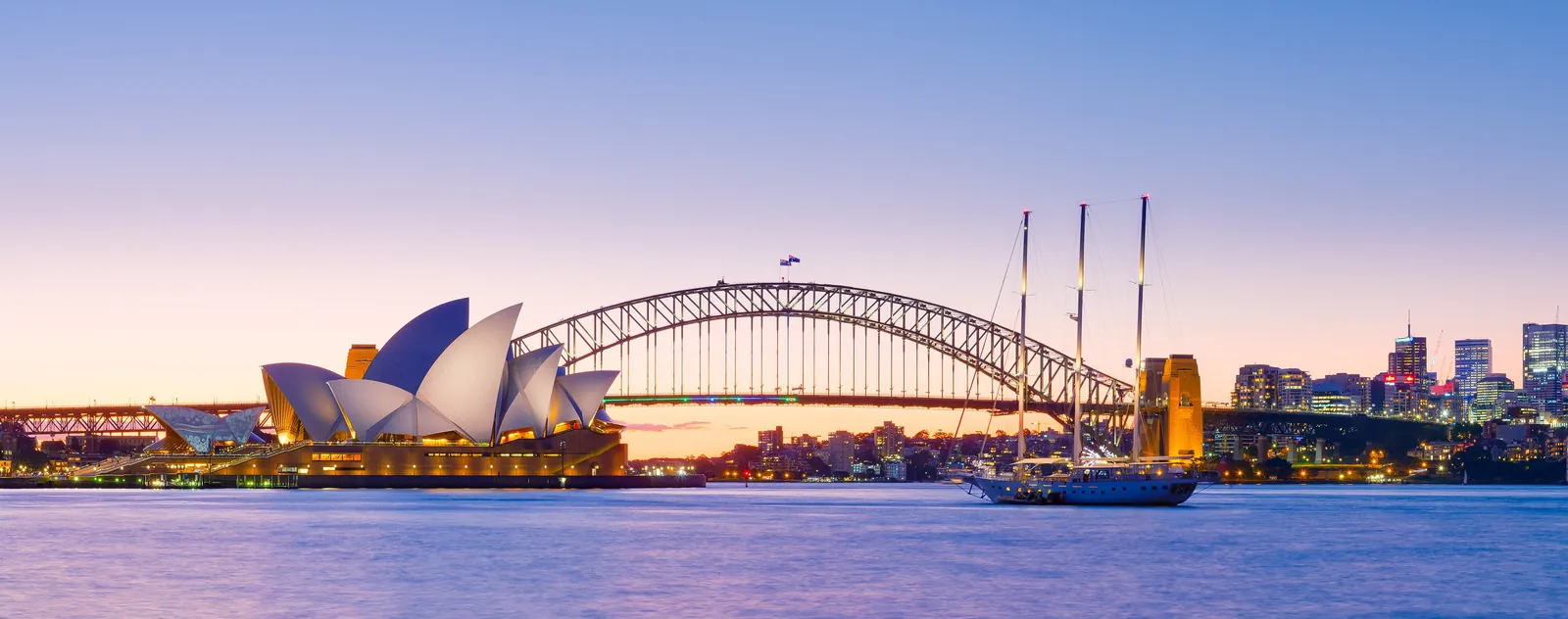
Sydney for newcomers at a glance
| How hard is it to make friends? | Medium-hard. Not unfriendly, just full: most locals' circles were set by 25. Give it three months before you judge it. |
| Cost of a social month | Around A$300–700 on top of rent and groceries, if you lean on the free things (beach, parkrun, run clubs) and pay for one league and a few pub nights. |
| Transit card | Opal, or just tap a bank card or phone. Capped at A$50 a week. Most international students don't get concession fares. |
| The months that change everything | October, when the water warms and the city goes back outside; and the fortnight before each semester starts (mid-February, late July), when every club is recruiting. |
| The Chinese community | Enormous. Chatswood, Burwood, Hurstville, Eastwood, plus Haymarket downtown. Easy to land in, surprisingly hard to leave. |
| Apps | Opal Travel for timetables, and MeetMap for a map of small plans near you (there's a section on it further down). |
What Sydney is actually like socially
Sydneysiders are warm, outdoorsy and busy, and by their mid-twenties they have a beach, a brunch place and a group. The group formed at school or uni, it goes to the same person's house on Sunday, and nobody in it is looking for a new member. The expat forums call this "friendly but closed", and the international students say the same thing in three languages.
There are reasons, none of them about you. The city is spread out, so people stay in their suburb; an Eastern Suburbs person crosses the bridge twice a year and calls it an expedition. The weekend is built around mornings (swim, run, coffee, market, done by noon), and mornings are a hard time to be invited to anything. And a huge share of the people you'll meet in month one are recent arrivals themselves, which is a consolation and a clue. You are not going to break into a Sydney friendship group. You're going to build one out of people who arrived last year, and you find them by turning up, repeatedly, at the things Sydney does in public. Starting with the coastal walk.
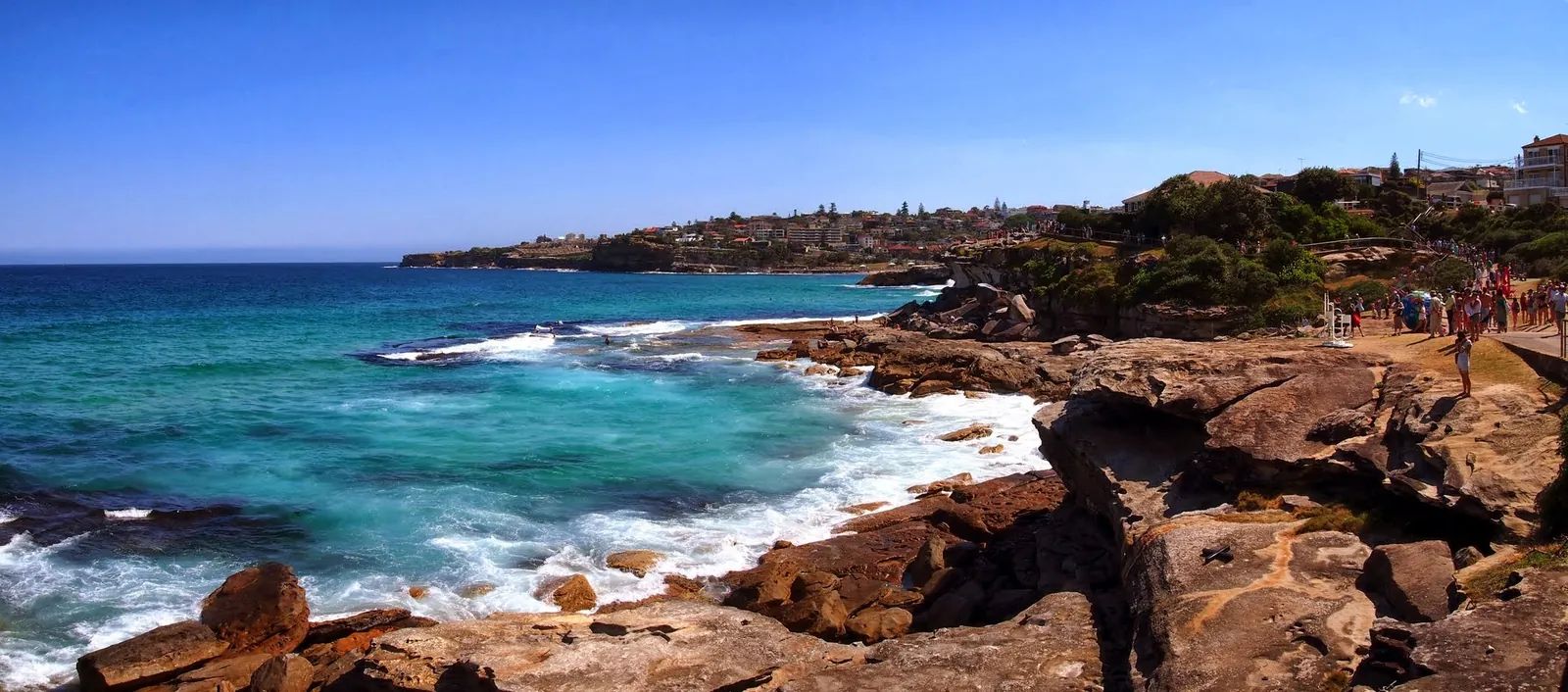
Bondi to Coogee is six kilometres of cliff path with four beaches, three ocean pools and a dozen cafés along it. Two hours if you stop to swim, which you should. It's the single most reliable invitation in this city: "Bondi to Coogee, Sunday 8am, swim at Bronte" is a complete plan that needs no explanation, no fitness and no prior relationship, and I've never seen anyone here turn it down without a real excuse. When I say further down that you should be the one naming a time and a place, this is the time and place I have in mind.
First-month practicalities
Get these done in week one so the rest of the month is free for people.
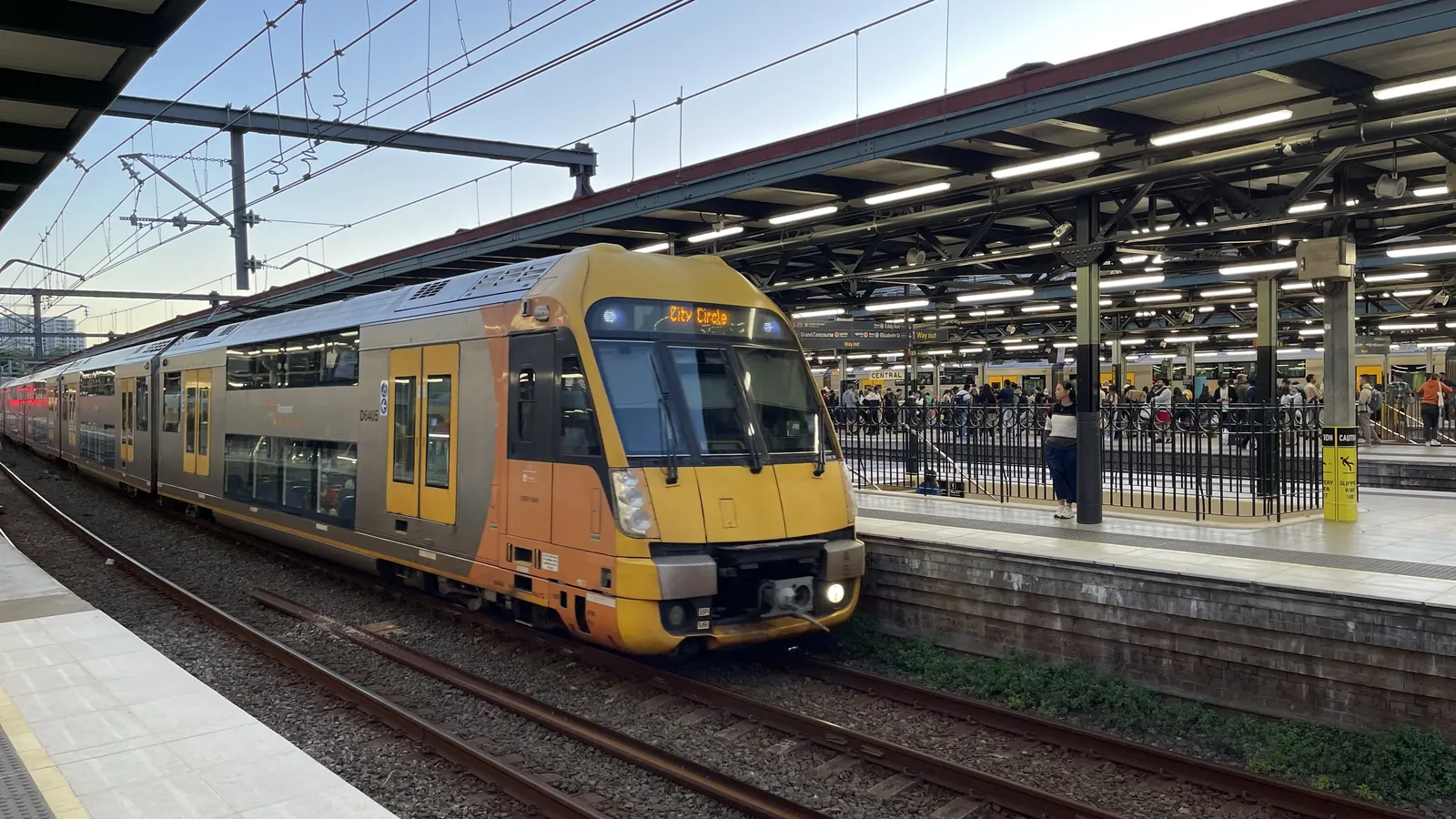
Opal. Trains, metro, buses, ferries and light rail all run on it, and tapping a bank card or phone gives the identical adult fare, so you don't strictly need the card. Train fares are by distance, from around A$4.30–4.50 for a short hop to around A$11 for the longest trips, 30% off outside peak (Monday to Thursday, 6:30–10am and 3–7pm). The caps are the useful part: A$19.30 a day Monday to Thursday, A$9.65 a day Friday to Sunday and public holidays, A$50 a week. That weekend cap is why every day trip in this guide costs A$9.65. Bad news for students: unless you're on an Australian Government scholarship, international students don't get concession fares in NSW.
From the airport. The train to Central takes 13 minutes and costs around A$23, of which around A$18.60 is the airport station's access fee. With two suitcases at 6am, pay it. With one bag, the 420 bus to Mascot station and a train from there is around A$5–6 and 15–20 extra minutes.
SIM and bank. Boost (Telstra's network) and amaysim (Optus) sell 28-day prepaid plans for around A$25–30; buy one at the airport or set up an eSIM on the plane. The big four banks let you open an account online before you land and activate it in a branch with your passport; student accounts have no monthly fee. If your visa lets you work, get a Tax File Number from the ATO website the same week. It's free.
Where newcomers live, and what a room costs. Sydney rent is the highest in Australia, and a room in a share house is how nearly everyone starts. Rough weekly figures:
- Newtown / Enmore (the student inner west, walkable to Sydney Uni): around A$300–380.
- Marrickville / Dulwich Hill (one stop further, breweries, Vietnamese food): around A$270–330.
- Kensington / Kingsford / Randwick (next to UNSW; Kingsford is Chinese and Indonesian student cafés end to end): around A$300–400.
- Chatswood (North Shore, Chinese, about 12 minutes to Martin Place on the metro): around A$240–350.
- Burwood / Hurstville (Chinese, on the train lines, good value): around A$250–330.
- Zetland / Waterloo / Rhodes (new towers, lots of Chinese students): around A$250–350.
- Student accommodation (Iglu, Scape, UniLodge): around A$300–500 for a room in a shared flat at the cheaper operators; Iglu Chatswood starts at A$585 for a single in a six-share and goes up from there, bills included. Expensive, but there's a common room, which in month one is worth something.
For the first nights, a hostel dorm is around A$45–80 (Kings Cross cheapest) and a private room A$130–220. Find the room on Flatmates.com.au or the Facebook and WeChat groups, and read the next paragraph before you pay anyone.
The rental scam is the one hazard here that targets newcomers: a listing cheaper than everything around it, photos lifted from a real ad, a "landlord" who can't meet, a deposit wanted before you've seen the place. Students have lost up to A$7,200 this way on a single listing; the cases that made the news were Zetland and Haymarket flats advertised on Xiaohongshu, and the same script runs on Facebook Marketplace. Never pay before you've stood in the room; a bond is capped at four weeks' rent and goes through NSW Fair Trading's Rental Bonds Online; and anyone who needs a decision today is reading from a script.
The other hazards are the ones postcards leave out. UV is extreme from October to April (index 11–13 on a summer afternoon; you'll burn in 15 minutes), so a hat and SPF50 are not optional. Rips take swimmers every year, mostly at unpatrolled beaches; swim between the red-and-yellow flags and nowhere else. And in September and October the magpies swoop. You'll think I'm joking until one hits your helmet.
The seasons and what they do to your calendar
Summer (December to February) is 19–27°C and humid, sea at 23–24°C, storms in February. The city lives at the beach, evenings run to nine, and the calendar is packed: New Year's Eve on the harbour, Sydney Festival for most of January (much of it free), Mardi Gras from mid-February. It's also when half the city is away and the universities are empty; land in January and expect two slow weeks, then an avalanche.
Autumn (March to May) is the best weather Sydney has: 15–25°C, water still warm into April, humidity gone. Semester one is in full swing and every club has just recruited. This is the season to join things.
Winter (June to August) is 8–18°C and sunny more often than not, sea at 17–19°C. Mild on paper; Sydney houses aren't built for it and you'll be cold indoors. Socially the city shrinks and gets more interesting: Vivid lights the harbour for three weeks from late May (free, crowded, an easy plan), the pubs fill, and the run clubs are at their most loyal because only the committed are left.
Spring (September to November) is when the city comes back outside. September is the driest month, October is most people's favourite, and by November the water is swimmable by any standard. Sculpture by the Sea lines the Bondi-to-Tamarama path with a hundred sculptures for two and a half weeks from mid-October (16 October to 2 November in 2026), free. If you can choose when to arrive, make it February or late July: two weeks ahead of a semester start is the only time the whole city is recruiting.
Ways to meet people in Sydney
This is the core of the guide. Every item has a time, a place and a price, roughly in the order I'd try them.
1. Walk Bondi to Coogee with strangers
Start at Bondi Icebergs, finish at Coogee, six kilometres, two hours with swims, free, every day. It's the plan you can post to anyone (a WhatsApp group, a Meetup, the MeetMap map) and expect a yes. Go at 8am on a Sunday before the path fills, swim at Bronte or Clovelly on the way, finish with coffee on Coogee Bay Road. The people who come will be other newcomers, which is exactly who you want. Do it alone in week one, with company in week two.
2. parkrun, Saturday morning
A free, timed 5k in a park every Saturday, at thirty-odd places across Sydney. Register once at parkrun.com.au, save the barcode, turn up; there's no minimum pace and plenty of people walk it. Centennial Park and Mosman start at 7am; most others (St Peters at Sydney Park, North Sydney, Rhodes) start at 8, so check yours. What matters is after the finish, when the same twenty people go to the same café. Three Saturdays running and the café will know your order.
3. A run club that ends at a café
Sydney's run clubs are free, weekly and almost designed for newcomers. Coogee Run Club meets Tuesday 6:30pm, Thursday 6:15am and Sunday 8am at the beach, and Wednesday 6:30am up at Queens Park for the speed session. Bondi Beach Run Club leaves the surf club Monday and Wednesday at 6:15am. Coastal Run Co goes Tuesday 6:30am from South Bondi to Bronte, then coffee. Kings Cross Track Club runs a free social 7k from the Coke sign every Tuesday at 6:30pm, no sign-up, and a track session on Thursday nights. Pick one within twenty minutes of your bed; the ones you can't get to are the ones you'll skip.
4. Ocean pools at seven in the morning
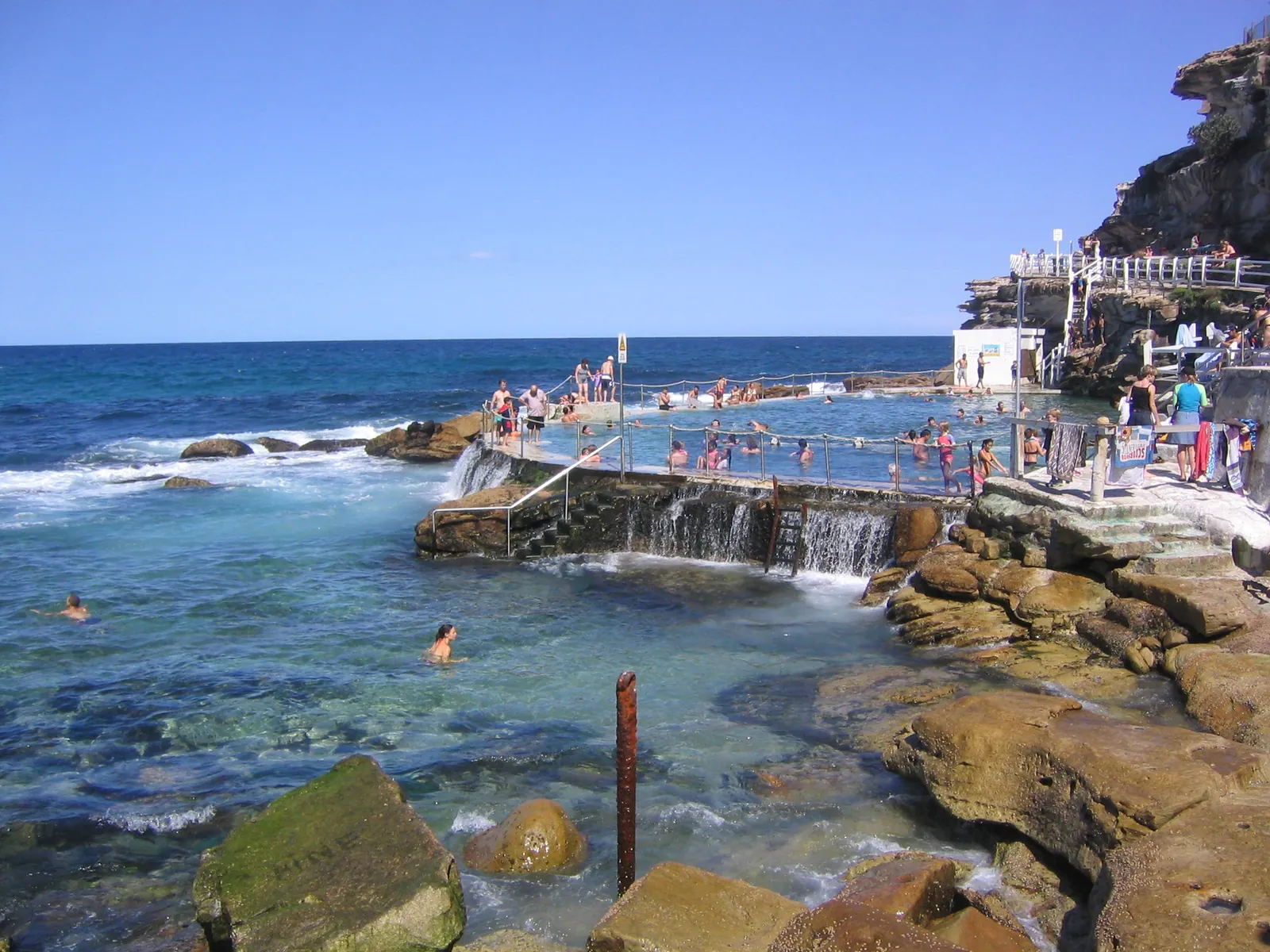
Every beach from Manly to Cronulla has a pool cut into the rocks, and a small, fiercely loyal crowd swims in it before work. Bronte Baths and Mahon Pool at Maroubra are free and ungated; Bondi Icebergs is A$10 a swim, Wylie's Baths at Coogee A$6.50. There are organised weekday-morning group dips at Bondi too (Meetup and Instagram both list them), and they're mostly people who came alone. Nobody talks much at 7am. By the third week they talk to you.
5. Learn to surf, then join a surf club
A two-hour group lesson at Bondi, Manly or Maroubra is around A$100, and the six people in your group are in the same situation you are. The longer version is a Bronze Medallion: four days of training with a local surf lifesaving club, a 400m swim in nine minutes as the entry test, then a summer of patrolling a beach on a roster with the same thirty people. A couple of hundred dollars with club membership, and in my opinion the fastest route into an actual Sydney friendship group that exists.
6. Social sport, registered as an individual
Sydney's answer to closed circles is the social league. Urban Rec runs seasons of eight to ten weeks of netball, touch, soccer, volleyball and dodgeball at Moore Park, Alexandria, Camperdown, North Sydney and Bondi, and you can register alone and be placed on a team of other individuals. Centennial Parklands runs social netball; Intrinsic Sports does lunchtime comps in the CBD. A season as an individual is around A$100–125. Every team goes to the pub afterwards, and after a few weeks you'll notice the pub is the part people actually signed up for.
7. The university clubs, in the first fortnight
If you're a student this is the cheapest, biggest option you'll ever have. The University of Sydney Union has more than 300 clubs and membership is free; UNSW's Arc and UTS's ActivateUTS work the same way. Welcome Week, in the week or two before semester (mid-February and late July), is when they all set up stalls on the lawn; individual clubs charge nothing or a few dollars a year. The trick is not to join twelve. Join three, go to one of them every single week, and let the other two lapse.
8. Pub trivia on a Tuesday
Half the pubs in Newtown, Glebe, Surry Hills and Marrickville run trivia on a Tuesday or Wednesday, and most will slot a solo player onto a team short of numbers if you ask the host. A schooner is A$10–14, a pub meal A$25–30, and the same teams come back every week, which is what you want. Any pub with a chalkboard out the front will do; ask the bar which night.
9. Board games and the Thursday-night library
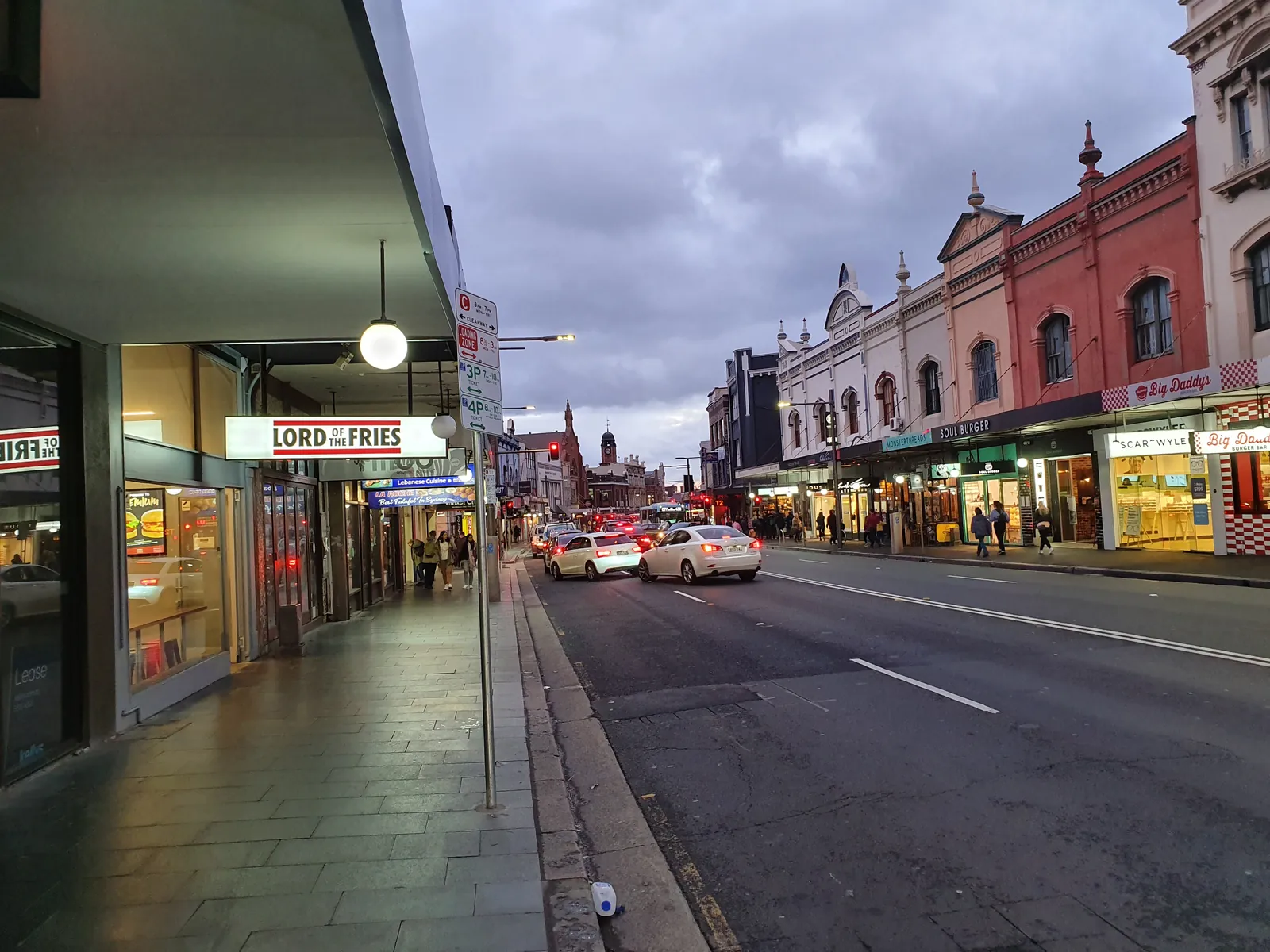
Fortress in Central Park (Chippendale, next to UTS) is a two-floor gaming venue with a huge board game library, a tavern, and tables you can join. The Art Syndicate, a wine bar off Taylor Square in Surry Hills, makes Thursday its board game night and takes it more seriously than you'd expect. The Meetup groups (search "board games Sydney") are the reliable way to sit at a table of strangers with a purpose. Budget a drink and A$10–15 if the venue charges for the table.
10. The Saturday and Sunday markets
Glebe Markets on Saturday (vintage, food, students on the grass), Paddington Markets on Saturday, Carriageworks Farmers Market on Saturday morning at Eveleigh, Marrickville Organic Market on Sunday. Free to enter, coffee A$5.50–6.50, lunch around A$15–20. Markets aren't where you meet people, exactly. They're where you take the people you met on Tuesday, and "Glebe markets, 10am" is a text everyone accepts.
11. A class with hands in it
Pottery, life drawing, cooking, screen printing. Cee Cee Studios in Ultimo does drop-in hand-building sessions and wheel courses; the Marrickville and Alexandria studios run six-week ceramics courses; pubs in Surry Hills and Newtown host life drawing nights. A one-off session is A$60–120, a six-week course A$300–500. The people around the table are the same six for six weeks, and somebody always suggests a drink after week three. Book one in your first month.
12. Volunteering
OzHarvest runs food-rescue shifts of a few hours out of its Sydney warehouse; sign up online. Every council runs Bushcare on weekend mornings: free, regular, mostly retirees and immigrants, and one of the fastest ways to get to know a suburb. The Wayside Chapel in Kings Cross and Addi Road in Marrickville take walk-in volunteers; Conservation Volunteers Australia does day trips. Three hours a fortnight with the same crew is worth more than any one-off event.
13. Language exchange
Sydney has half a dozen weekly language exchanges on Meetup (Aloha Sydney on Wednesdays, Fridays and Saturdays, and Sydney Language Exchange on Tuesdays are the big two), usually in a CBD or Surry Hills bar, for a few dollars on the door or the price of a drink. They're 80% recent arrivals, which is either a problem or the whole point depending on what you're after. Council libraries and the State Library also run free English conversation groups, which are quieter and older.
14. Climbing gyms
Bouldering has quietly become Sydney's most social indoor sport. Nomad (Annandale and Gladesville), BlocHaus (Marrickville and Leichhardt) and Climb Fit (St Leonards, Kirrawee) do casual entry around A$25–30 plus shoe hire, and most run beginner nights where you're paired with strangers. Climbing is mostly resting, and resting people talk; the wall gives you something to talk about. Go on a weeknight at 7pm, when it's busiest, and ask someone how they'd do the route you just fell off.
15. Faith and hobby communities
Sydney's churches, mosques, temples and synagogues are the oldest newcomer infrastructure the city has, and many run English-and-Mandarin or English-and-Cantonese congregations with lunch afterwards. Outside religion: community choirs (dozens, most no-audition, A$100–200 a term), mahjong (beginner tables are easy to find on Meetup), chess at the pubs, the swim squads. What these share is a fixed weekly time, which is the thing every item on this list has quietly been relying on.
16. The ferry, and the walk off the end of it
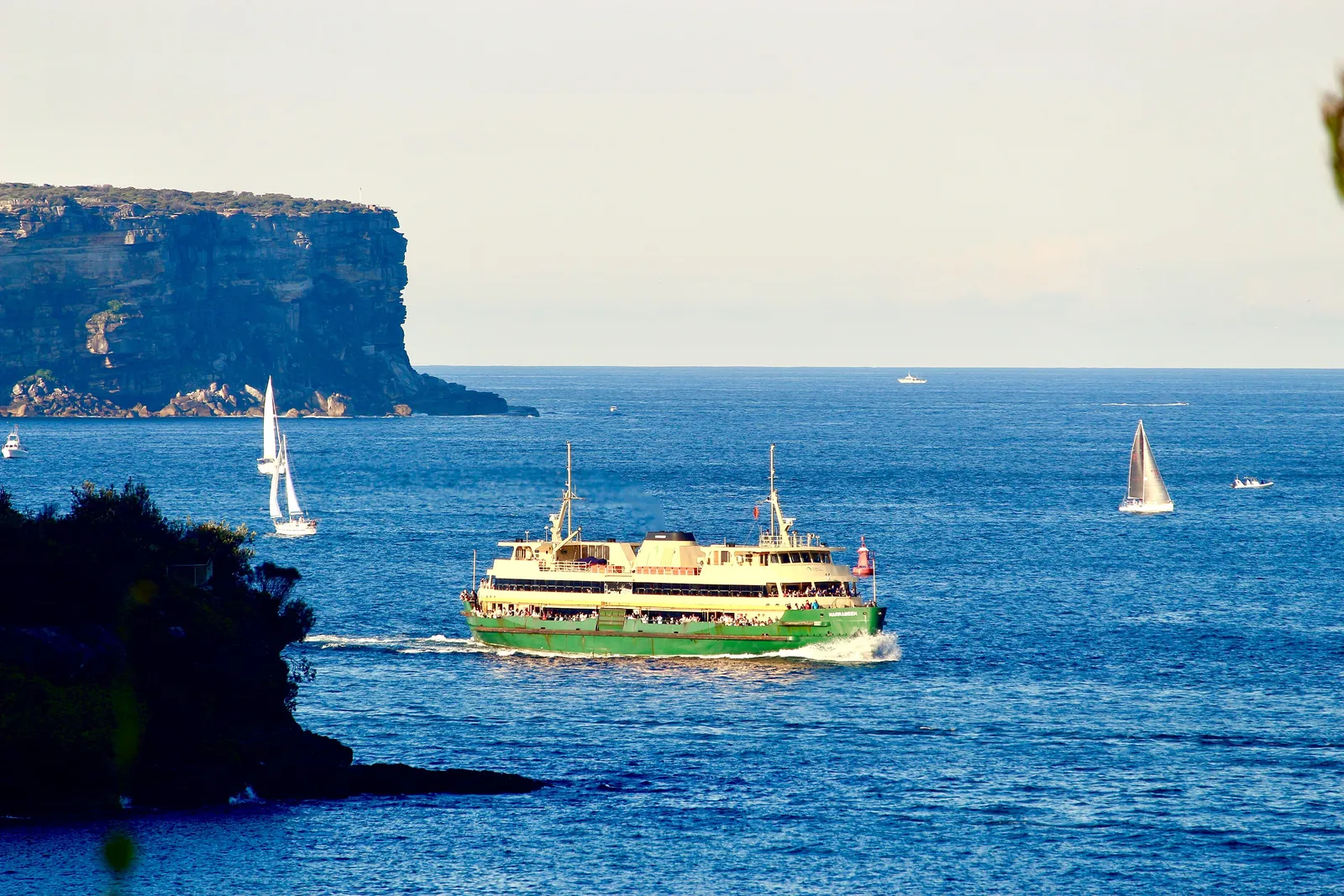
The Manly ferry from Circular Quay is thirty minutes across the harbour, around A$9 each way with Opal, and a full day out: Manly beach, the Shelly Beach snorkel, and the Manly to Spit walk, ten kilometres along the harbour. On a weekend the transport cap means the whole day costs A$9.65. "Manly ferry, Saturday 10, walk to Spit" is the second most reliable invitation in the city after Bondi to Coogee. (The third is the footy: a Swans game at the SCG from around A$35, and nobody goes alone.)
The Chinese community
If you're Chinese, or just like Chinese food, this section decides your first year.
Sydney has one of the largest Chinese communities outside Asia. On the 2021 census Eastwood was 48.8% Chinese ancestry, Burwood 48.3%, Hurstville 47.1%, Chatswood 42.4%; Haymarket, the downtown "Chinatown", is now the smaller and older part. The universities add tens of thousands more: Sydney and UNSW each have more than 20,000 international students, and China is the largest source country at both.
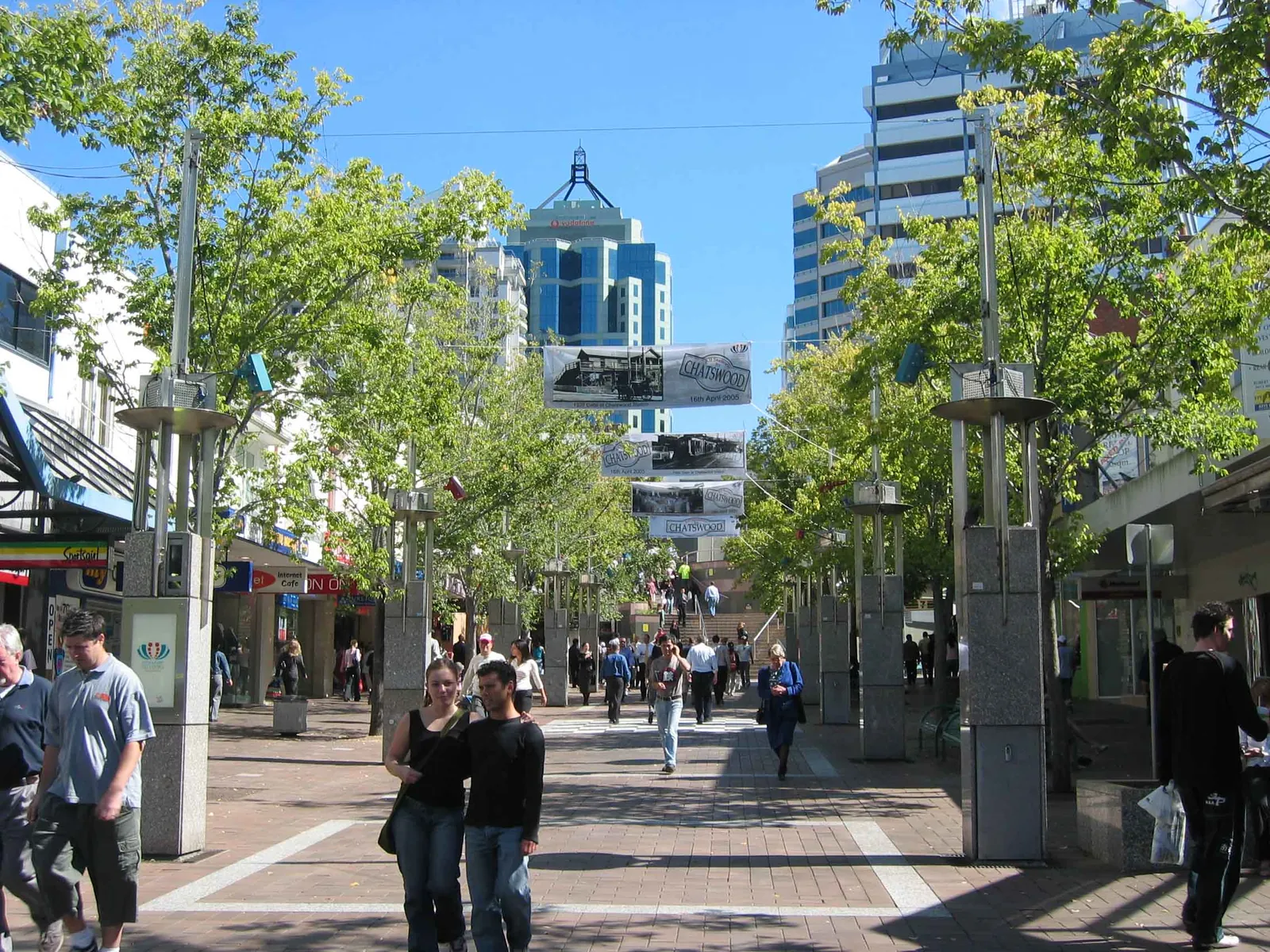
In practice: Chatswood (Westfield, Chatswood Chase, the food courts under the station, metro to Martin Place in about twelve minutes); Burwood (the Burwood Chinatown precinct on Burwood Road, twelve minutes to Central by train); Hurstville (Cantonese, the south); Eastwood (Rowe Street); Haymarket (Dixon Street, Market City); and Kingsford, the strip beside UNSW. The community runs on WeChat groups, Xiaohongshu and Sydney Today (今日悉尼). You can find a room, a job and a hiking group in your own language on day one.
That's the good news and I mean it: the bubble will feed you, house you and answer every question in month one. Here's the honest part. It will also, if you let it, turn the whole first year into a very long first month. It's entirely possible to do a degree at UNSW, live in Kingsford, eat in Burwood, and never have a conversation in English outside a tutorial. A lot of people do, and most say afterwards they wish they hadn't.
The way to use both: live and eat in the community, and do your Tuesdays and Saturdays outside it. Rent in Burwood; run with Coogee Run Club. Yum cha in Chatswood on Sunday; Bondi to Coogee with strangers the Sunday after. Your Chinese friends will come to the second one if you ask, and that's the group forming.
One safety note aimed at Chinese students, because the police here issue the same warning most years: the "virtual kidnapping" scam. Someone calls claiming to be Chinese police or the embassy, says you're implicated in a crime, and pressures you over days to cut contact, hide in a hotel and send staged photos, which are used to extract a ransom from your family. No Chinese authority will ever contact you this way. Hang up and call NSW Police on 131 444.
Two habits that do most of the work
Underneath all sixteen items are two habits, and they matter more than which items you pick.
Sort invitations by whether they have a clock on them. Sydney produces "we should catch up!" in industrial quantities, and I've lost count of the catch-ups that never happened. The ones that did were always smaller and more specific: a run-club regular saying "Bondi to Coogee Sunday, 8am", a netball team going to the pub after a loss, a flatmate's "yum cha at eleven, we've booked". Those are the ones to rearrange your morning for, even for one drink, even if you'd rather sleep, because a person who names a time is telling you they actually want you there. The vague ones you can let go without guilt. (The longer version of this argument is in how to meet people in a new city when you know nobody; the short Sydney one is here.)
Go first, in writing. Everyone in your first-month orbit is in the same position as you and waiting for somebody else to move. So move: type "Manly ferry, Saturday 10, walk to Spit" into the group chat, with a meeting point and your number. It costs nothing, it feels like a lot, and half the people who reply will have had the same message sitting in drafts. The worst case is that you take the ferry on your own, which in Sydney is not a bad Saturday.
And the app we built for exactly this. MeetMap is a map of small plans happening soon near you: a coffee at eight, a run at Centennial Park, a table with one seat left. Each pin shows the time, the place and how many seats remain; you take a seat and you're in the group chat. It's free to look, it's not a dating app, and it exists because every newcomer has sat in a Kingsford flat at 7pm on a Saturday scrolling group chats where nobody has said anything. If the map is quiet in Sydney when you open it, post the first plan: "Bondi to Coogee, Sunday 8, swim at Bronte, four seats" is a good one. The safety page has the rules for meeting people from the internet.
What a social month costs
For one person, in Australian dollars, on top of rent and groceries.
| Frugal | Realistic | |
|---|---|---|
| Transport (Opal, capped) | A$120 | A$200 (the full A$50 weekly cap) |
| Coffees after parkrun / run club | A$50 (8 × A$6) | A$80 |
| One social league, pro-rated | A$0 (uni club instead) | A$60–80 |
| Pub trivia and a schooner, weekly | A$60 | A$120 (with a meal) |
| Ocean pool entries | A$0 (Bronte, Mahon) | A$30 (Icebergs three times) |
| One class or lesson | A$0 | A$100 |
| Manly day, lunch included | A$30 | A$50 |
| One dinner with the new people | A$40 (BYO Vietnamese, Marrickville) | A$80 |
| Month | ~A$300 | ~A$700 |
For context, a room is A$1,100–1,600 a month in the suburbs above and groceries A$100–160 a week. The social line is the smallest of the three, and it's the one people cut first when money gets tight. Cut the coffees before you cut the league.
A first-month plan
Week 1: logistics and one walk. Hostel or student accommodation for the first nights. SIM, bank, TFN, Opal on your phone. Inspect rooms in person. On Sunday, walk Bondi to Coogee alone, early. Post it as a plan for next Sunday somewhere (a uni group, a WeChat group, the map) before you've had time to think about it.
Week 2: move in, pick three regulars. Register for parkrun and go Saturday. Try one run club on a weekday morning. If it's semester, go to Welcome Week and join exactly three clubs. Swim in your nearest ocean pool once. Do the Bondi to Coogee you posted, with whoever came.
Week 3: the paid things. Register as an individual for a social league (a new season starts every couple of months, so one is always soon). Book one class. Trivia on Tuesday with anyone from week two. Manly ferry on Saturday; post it first.
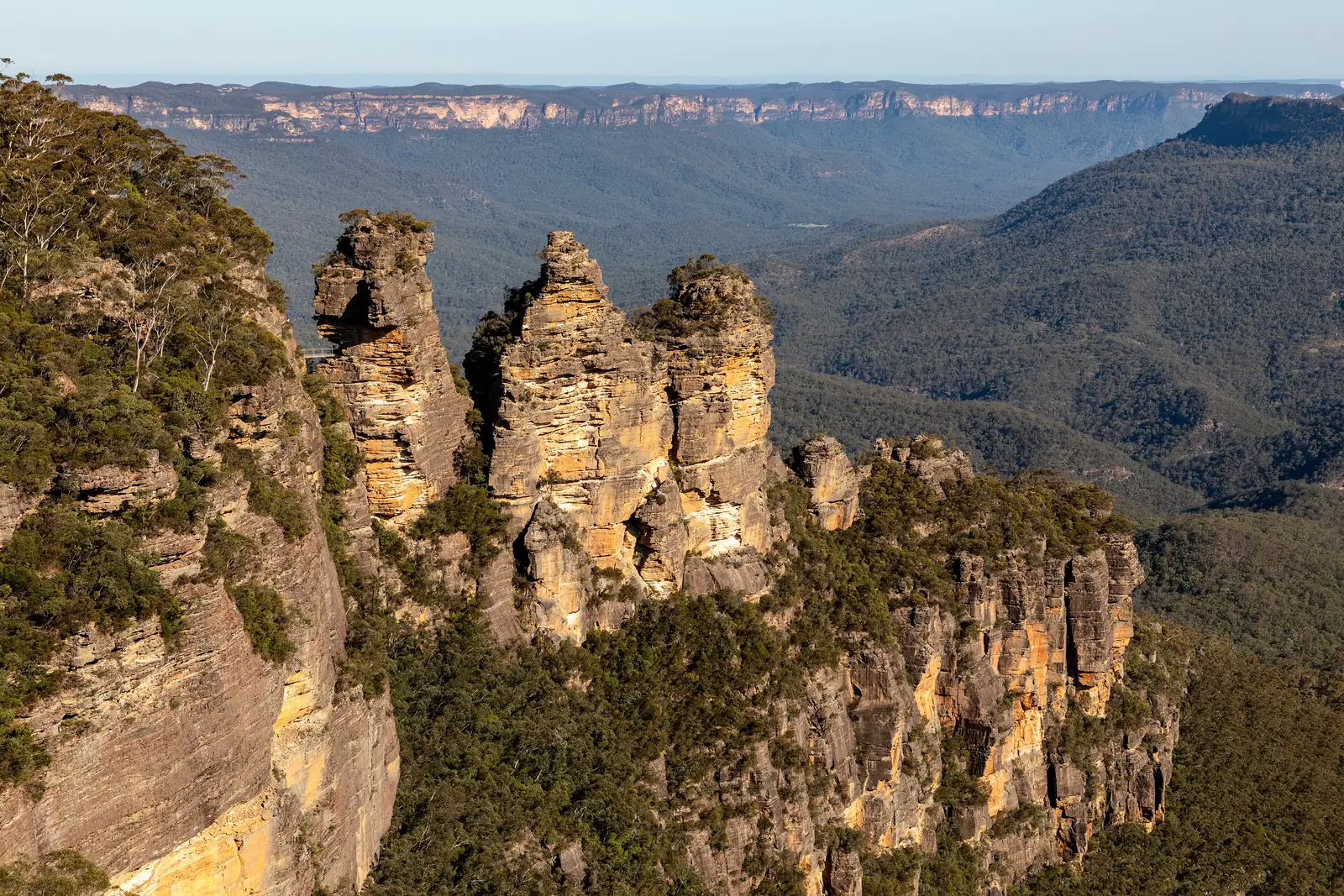
Week 4: the day out. Blue Mountains by train: two hours from Central to Katoomba, A$9.65 for the whole day on a weekend, the Three Sisters walk at Echo Point free, the Grand Canyon loop two stops further on at Blackheath if you want a real hike, and Scenic World if you want the cable cars (around A$64). Take the people from weeks two and three. Then go back to the same parkrun, run club and trivia. Nothing new in week four: this is the week people stop saying "hey" and start saying your name.
FAQ
Is Sydney a hard city to make friends in?
Harder than Melbourne, easier than people say. The locals' groups are closed; the newcomers are not, and more than a third of Sydney was born somewhere else. Three months of turning up at the same weekly things (a run club, a league, a pool) is usually what it takes.
Is Sydney safe for someone who's just arrived?
Yes; violent crime is not what goes wrong for newcomers here. The real hazards are the sun, the surf and the rental scam, in that order, plus the phone scams aimed at Chinese students. After midnight the trains stop and NightRide buses take over; on the nightlife strips around Kings Cross and the CBD, a bus or a rideshare beats a long walk home.
How much money do I need per month in Sydney as a student?
Around A$3,000–3,800 is realistic: A$1,100–1,600 for a room, A$500–650 for groceries, A$200 transport, A$30 phone, and A$300–700 for the social things above. Student accommodation adds A$500–1,000.
Where should I live if I want to meet people?
Newtown or Enmore if you're at Sydney Uni, Kensington or Randwick if you're at UNSW, Chatswood if you want Chinese Sydney with a fast metro, Marrickville if you want cheap and interesting. Within twenty minutes of an ocean pool and a parkrun is the practical answer, because you won't do the 7am things if they're an hour away.
Do I need a car?
No, and don't get one in your first year. Train, metro and ferries reach everything in this guide, the weekend transport cap is A$9.65, and parking near a beach is its own hobby.
When is the best time to arrive in Sydney?
Mid-February or late July, a couple of weeks before a semester starts, when every club, league and society is recruiting. If you can't choose, October is the loveliest month. January is beautiful and empty; give it a fortnight.
If you only remember one paragraph
Pick a pool, a parkrun and one weeknight thing within twenty minutes of your bed, and go to all three every week for three months without keeping score. Somewhere in month two a person you've nodded at eleven times will ask if you're coming to the pub. Go. The Sunday after that, text them "Bondi to Coogee, 8am, swim at Bronte" and see who else turns up.
